







My life as my cousin Imee's proxy
Forging ties throughout the Philippines, complete with handmade outfits


At A Glance
- 'If you can't make the family proud, just don't embarrass them.'
My paternal grandfather would often tell his children in Spanish, “If you can’t make the family proud, just don’t embarrass them.”
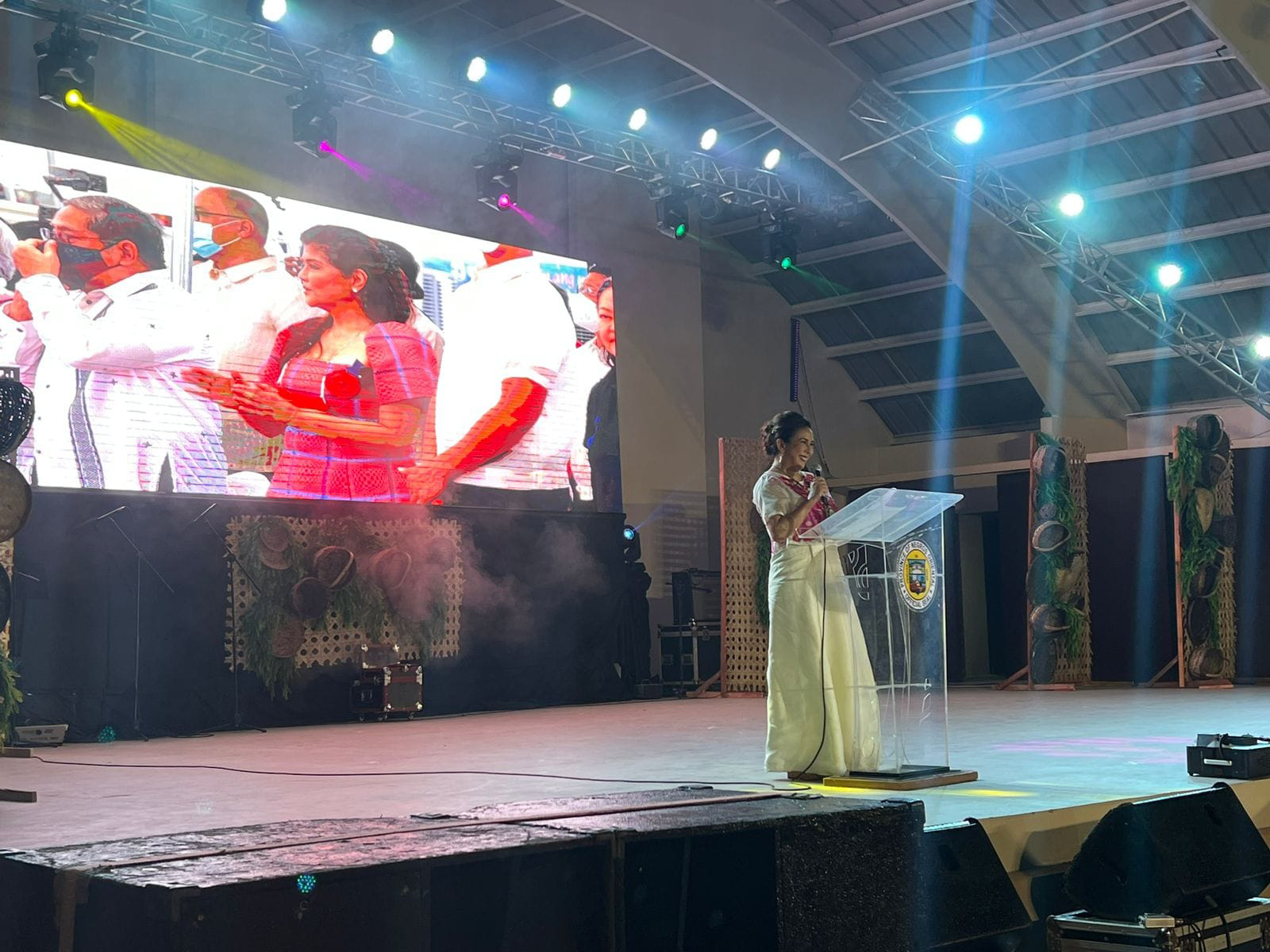
This is what I would often remind myself when I am tasked to stand in as proxy for various events for relatives. I started helping out more and more during the last senatorial elections for my prima Imee Romualdez Marcos when she ran for a seat in the upper house. Recently, I have been tasked to stand in for her in a number of events. I didn’t realize how much she—as she had learned from her father the late President Ferdinand E. Marcos (PFEM)—took their invitations seriously until during one meeting a few years back when her schedule was being drawn up and an event she was required to attend conflicted with another. Imee fervently pointed out who should proxy for her, “Dapat pamilya yan!” This she learned from her father—forging and fostering new and old ties with the people, and letting people know how much these ties are valued and respected.
I’ve never had a problem speaking in public. In fact, I would tell my cousin’s staff, “I would rather speak in front of hundreds if not thousands, no problem, but send me to attend weddings or some society event, I’d end up having sleepless nights worrying what to say and how to act.”
I am still learning how to draw in the crowd while giving speeches. It helps too that having immersed myself in the speeches of PFEM, I can instantly recall his thoughts on the matter relevant to the speech and incorporate them. As I writer and researcher, I find this an enjoyable task.

Another task at hand is to present myself well. A good foundation for hair and makeup is half the battle. Most often when proxy duties take me to the provinces, I would have my hair and makeup done before catching my flight. So, if you see a woman all dolled up with coiffured hair dozing off in an airport seat in the wee hours of the morning, that would probably be me! Makeup and hair have been fortified to last the whole day, so do not be alarmed!
I’ve decided to come up with a “proxy” uniform so I don’t need to think about what to wear. I deferred to the experience of my Auntie Meldy (Imelda Marcos) and chose the jusi kimona with matching A-line skirt for day and a colored version for more formal engagements. The kimono, I embellish myself with appliques, beads, and even some handembroidery. All I have to do is change the kimono top to add variety after realizing images of the events are posted on local government unit social media sites. Decades observing my aunt and her daughter Sen. Imee has made me realize that since they are always first or in front, most people see their backs longer than they see their faces so my kimonas are also embellished at the back.
What I learned during a recent spate of proxies is that jusi has a very short life span. Jusi is “a traditional sheer fabric handwoven from abaca fibers. It has a polished texture and a natural off-white color.” Having salvaged my aunt’s old ternos, I know they also become brittle over time. Another lesson learned is that you cannot use bleach on jusi to remove stains, which happened a day before I was to use my proxy uniform soon after a previous event.
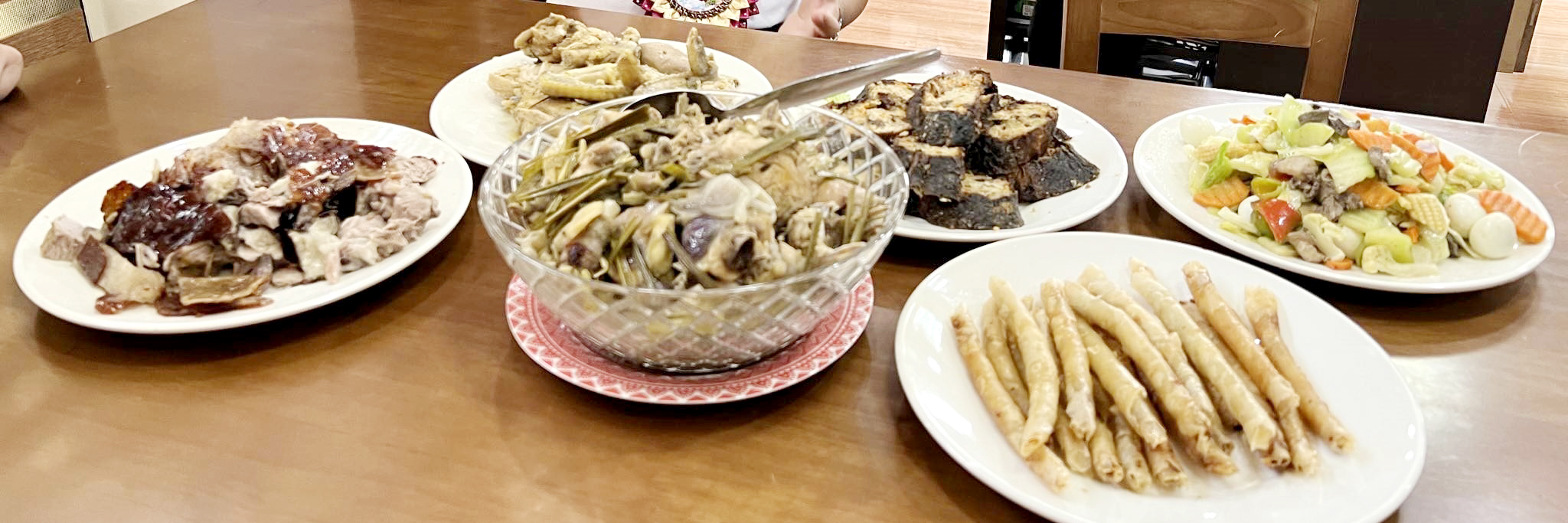
I flew to Dumaguete on a Saturday to deliver a speech in behalf of my cousin at the weeklong Buglasan Festival. The event was steeped in culture and old traditions. One such tradition was called “Palihi,” a “symbolic ritual performed in Negros Oriental at the start of a new endeavor or beginning of something momentous.” It involves the breaking of a giant bamboo shaft filled with water over a rock. A few of us on stage were tasked to drive the bamboo down over the rock until it broke and water gushed out. The bamboo cracked and out gushed the water on to my long skirt. I was in a very festive mood, fueled by the energy around me, and captivated by the cloud of colored confetti showering on us, took little notice. I didn’t realize those little confetti squares would soon adhere themselves to my wet skirt and bleed their color onto the fabric. My staff used bleach to remove the stains. The effects? Three holes. I only had a few hours before my flight so out came the floral appliques, scissors, and fabric glue. There was literally no time left to sew them on. Luckily, all managed to stay on during a jampacked schedule of speeches and courtesy visits in Roxas City and Jamindan in Capiz the following day.
I was in Capiz to witness the distribution of educational assistance for students by the DSWD and the Office of the Senator, the chair of the Committee on Social Welfare at CapizState University in Roxas City.
I traveled soon after to Jamindan to deliver my cousin’s speech before 1,500 cooperative members from over a hundred small, medium, large, and micro cooperatives at the 30th Provincial Cooperative Month celebration. My cousin is the Senate chairperson for the Committee on Cooperatives. I heard a lot of very insightful learnings from a number of people. I had a chance to speak to Jamindan board member of the second district of Capiz and chairman of Cooperatives Hon. Gilbert O. Ardivilla at lunch that day.
He says the cause of the flooding in Capiz can be blamed on the cultivation of corn in the uplands. Corn uses a lot of fertilizers and pesticides that allow farmers to harvest three times a year. This intensive farming and use of chemicals have caused havoc on the top soil of the land so when it rains, flooding occurs.
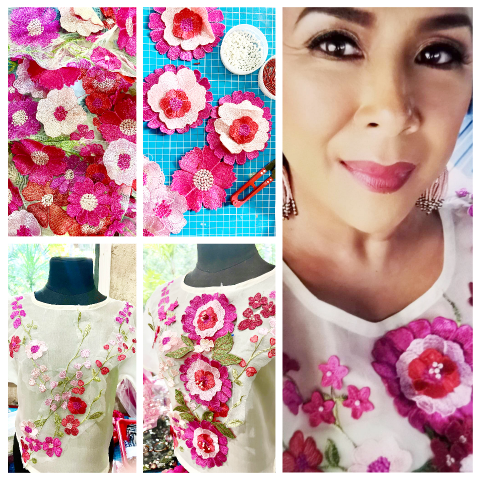
He admits it is difficult to convince farmers to forego the opportunity of earning three times a year (instead of two) to convert to more sustainable planting practices. This conversation was taking place over lunch at a feast that included two versions of chicken binakol, one cooked in bamboo to seal the natural flavors and the other in coconut. At the end of the meal, we were offered coffee or tea and I couldn’t help remember the coffee I had just days before in Dumaguete. I was met at the airport by the Hon. Alvin Villar Turita, a councilor for the Municipality of Dauin, Dumaguete. He introduced me to his friend, Prof Ruel Perez, a former kaingero-turned-professor of Forestry and now head of a highland forest coffee cooperative in Dauin, which consists of about 80 farmers growing coffee on 180 hectares of land. The coffee they harvest and sell is called Philippine Baslay Forest Coffee.
What an amazing few days of proxy duties! I get to see parts of the country I’ve never been and meet so many interesting people and learning so much more about our culture, people, and traditions first hand.