







How to start a free range chicken farm


By BENJAMIN SARONDO
Johnnel Tepora, 34, a resident of Indang, Cavite, shifted from the tourism to free range chicken farming. “I saw the potential of starting up a chicken business because it is like a multiplier business,” Tepora said.
READ: Moving forward, moving freely: Cavite resident shifts from tourism to free range chicken farming
“I will share my knowledge and skills with other people, mostly for the farms, so they can have a standard, a set of procedures we can follow in raising chickens in a free range environment,” Tepora said.
Research and Learn
Begin by thoroughly researching the principles and practices of free-range chicken farming. Understand the requirements, challenges, and potential risks involved. Familiarize yourself with local regulations and industry standards.
Develop a Business Plan
Create a comprehensive business plan that outlines your goals, target market, production capacity, marketing strategies, and financial projections. A well-defined plan will serve as a roadmap for your venture and help you make informed decisions.
Acquire Knowledge and Skills
Gain practical experience and knowledge in chicken farming by working on an existing farm or seeking mentorship from experienced farmers. Attend workshops, seminars, and training programs focused on poultry management, nutrition, health, and welfare.
Secure Land and Infrastructure
Identify suitable land for your farm. Ensure it meets the necessary requirements for free-range chicken farming, such as access to pasture, adequate space, and proper drainage. Construct or modify existing buildings, coops, and fencing to provide a safe and comfortable environment for the chickens.
Choose the Right Chicken Breeds
Select chicken breeds that are well-suited for free-range farming and are known for their foraging abilities and adaptability to outdoor conditions. Consider factors such as egg or meat production, disease resistance, and local market preferences.
Develop a Feeding and Nutrition Plan
Design a balanced feeding program that includes a combination of pasture, grains, and supplements to meet the nutritional needs of your chickens. Focus on providing a diverse range of forage options to optimize their health and productivity.
Implement Sustainable Farming Practices
Emphasize sustainable and environmentally friendly practices on your farm. Use organic or natural methods for pest and disease control, promote biodiversity, and minimize the use of synthetic chemicals. Proper waste management and composting can also be beneficial.
Establish Relationships with Suppliers and Buyers
Build relationships with local suppliers of chicken feed, bedding materials, and veterinary services. Additionally, identify potential buyers for your chicken products, such as local markets, restaurants, and direct consumers. Networking and participating in agricultural organizations can help you establish these connections.
Implement Good Animal Welfare Practices
Prioritize the welfare of your chickens by providing ample space, access to clean water, appropriate shelter, and veterinary care. Regularly monitor their health and behavior to detect any issues early on.
Market Your Products
Develop a marketing strategy to promote your free-range chicken products. Utilize online platforms, social media, local advertising, and farmer’s markets to reach potential customers. Highlight the quality, taste, and ethical aspects of your products to attract consumers who value sustainable and humane farming practices.
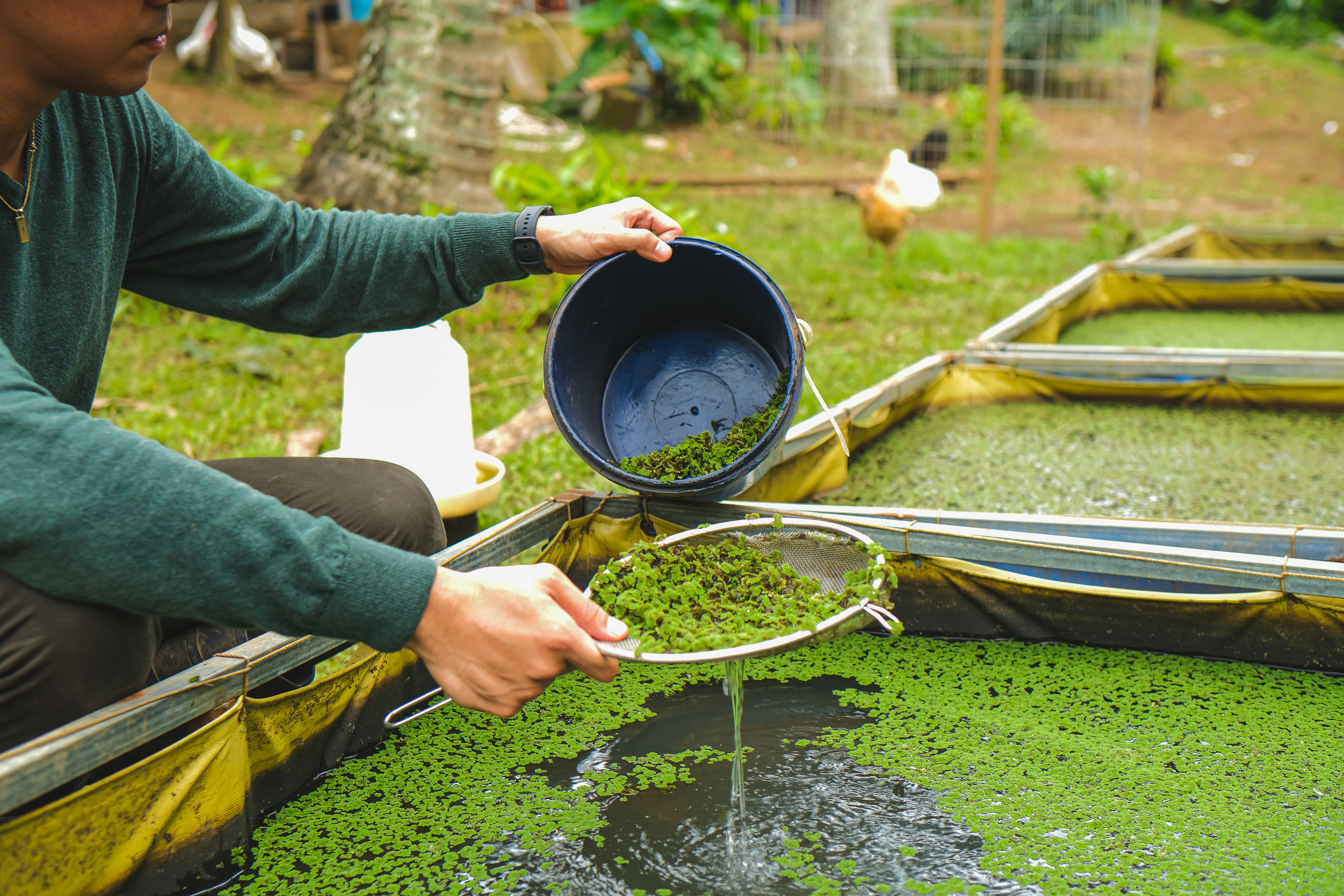
Photo by Paraiso Farmstead