

ADVERTISEMENT

A prime example of a great steak

How to tell if you're getting the best quality steak

Published Oct 18, 2023 12:26 pm

At A Glance

  • You know what, I am going to have that third steak after all. Go ahead and put that order in now. Please and thank you. — Ron Swanson, <i>Parks and Recreation</i>
1.JPG
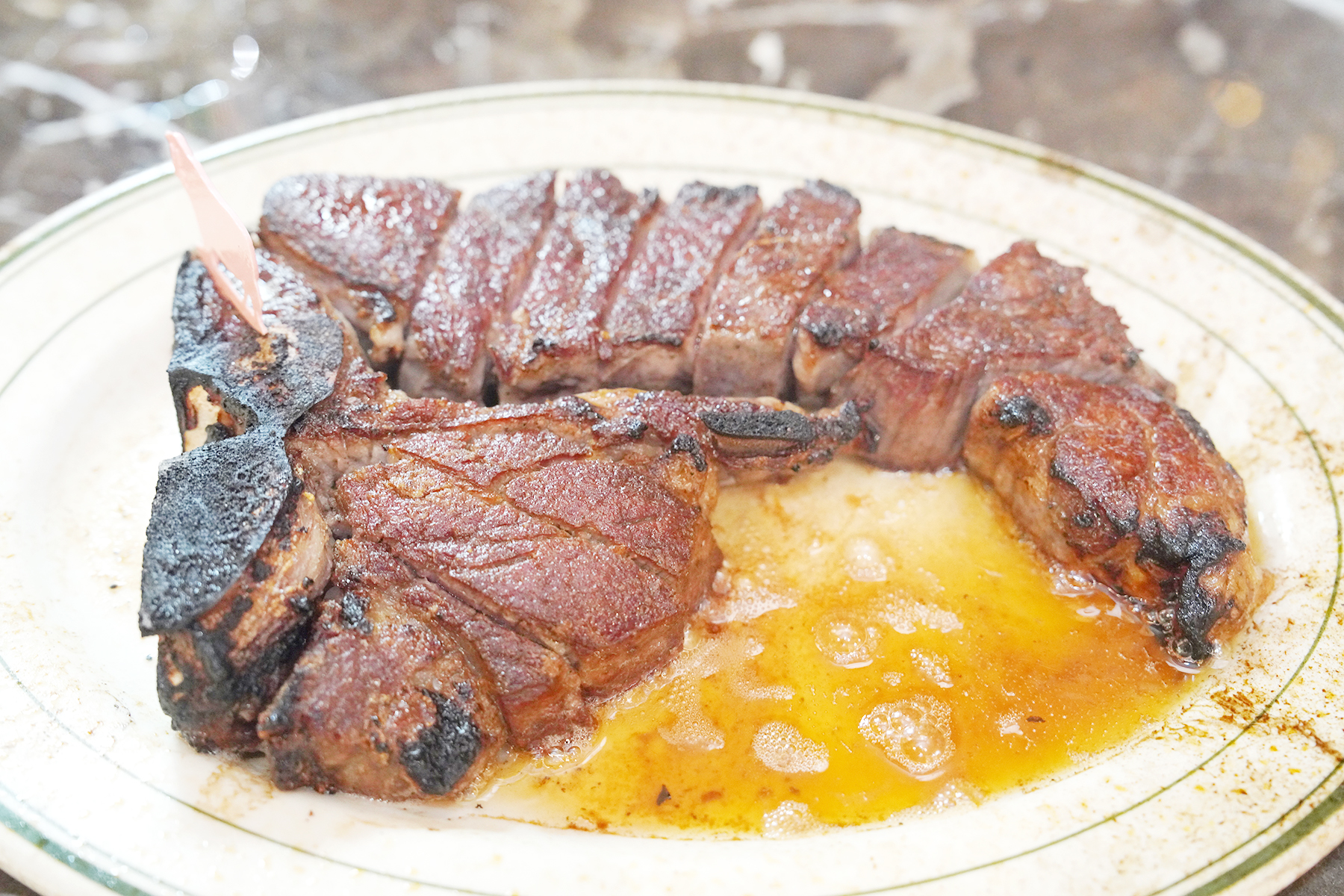
GIMME A CUT OF THAT Wolfgang Steahouse’s USDA Prime Dry-Aged Porterhouse Steak

Perhaps one of the highest quality meals one can get out there is a perfectly cooked high-quality steak. Just imagining the thick flavorful slab of meat is enough to send a rumble into anyone’s tummy. But to make such a quality meal, there are essential factors to allow it to elevate one’s senses. Here are a few things to look out for and help you identify a quality steak.

Fats facts, the importance of marbling

A vital indicator of the quality of steak is its marbling, or the white lines of fat running through the meat. Its presence helps add flavor, juiciness, and tenderness to a steak. It also means that the prime source of the meat was raised well and fed only quality feed to have such a good amount of fat in its body. Marbling also prevents the meat’s juices from evaporating during the cooking process, allowing the flavors of the meat to stay and enhance the taste. Be careful not to overcook the steak as this will toughen up and dry the steak, removing the juicy tenderness that gives it its distinct flavor.

2.JPG
A TOAST TO GREAT STEAK From left: Wolfgang’s Steakhouse Philippines managing partners Leina Bolinas and
Raymund Magdaluyo; Quezon City District 3 Councilor Chuckie Antonio, Quezon City Mayor Joy Belmonte,
Wolfgang’s Steakhouse president and co-founder Peter Zwiener, Elena Zwiener, Wolfgang’s Steakhouse
founder Wolfgang Zwiener, Wolfgang’s Steakhouse vice president of operations and managing partner
Lydia D’Amato, Araneta Group senior vice president of operations Antonio Mardo, Araneta Group vice president
of leasing Lorna Fabian, and Wolfgang’s Steakhouse Philippines local partner Ty Corcuera

What’s the grade?

Often, steaks are sold in different types of grading based on the quality of the meat. Most steaks sold follow the United States Department of Agriculture (USDA) guidelines to define their grade. USDA prime is the highest possible score a steak can possibly attain. This grading is given to fine cuts with abundant marbling. USDA choice is the next best option. Its difference from USDA prime is that it has less marbling. USDA select is known to be a leaner choice of meat that is uniform in quality. Lower-grade meats (standard, commercial, utility, cutter, and canner) are mainly ground or used in processed meat products.
5.JPG
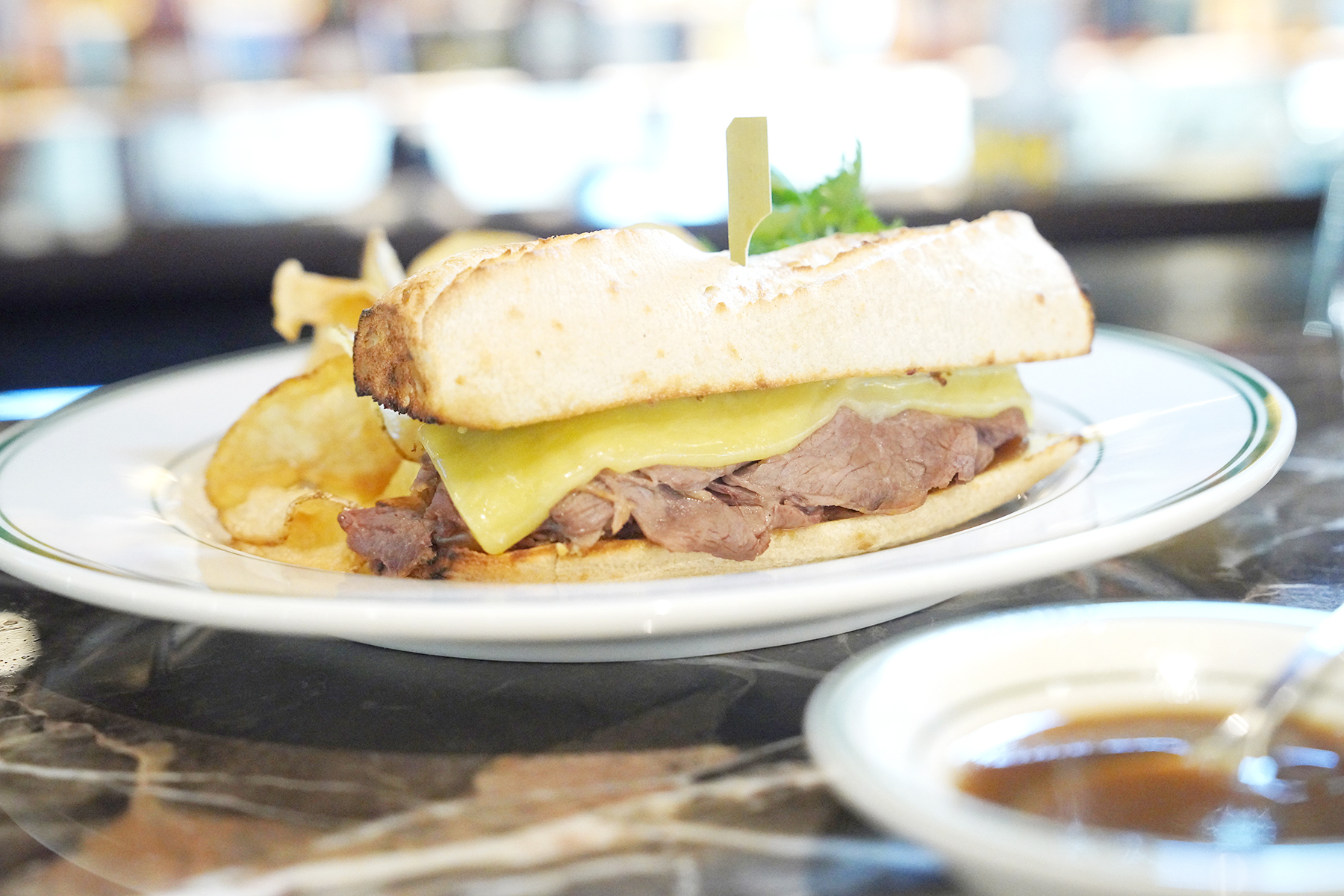
NICE AND TOASTY Roast Beef Sandwich

Know your cuts

To differentiate each cut of steaks, here’s a quick roundup of well-known cuts for you to refer to:

  1. Filet Mignon - This steak comes from the beef tenderloin, a long muscle that runs along the spine. It is quite tender and contains little to no fat.
  2. Ribeye - A juicy steak that is considered to be one of the most marbled cuts. It is cut from the center of the rib section and can be sold with or without its bones.
  3. New York Strip - This cut comes from the short loin. It has less fat and can be quite tender.
  4. Sirloin - Sirloin steak often comes from near the rear end of the cow. It is often split into two, bottom and top. Its difference is that the bottom sirloin is less tender.
  5. T-bone and Porterhouse - T-bone and porterhouse steaks are similar due to the bone splitting them right in the middle. To differentiate between the two, t-bone steaks are noticeably smaller in size.
  6. Tomahawk - It’s easy to identify this cut due to its similar appearance to the tomahawk axe. It has a large bone protruding off its end that looks like a handlebar to carry the slab of meat.
  7. Skirt and Flank - These cuts are rather similar in that they are both rather tough cuts. Skirt comes from muscle whereas flank comes from the belly.
  8. Tri-tip - Tri-tip steak or Santa Maria steak originates from the tri-tip roast, a triangular portion located at the bottom sirloin.
3.JPG
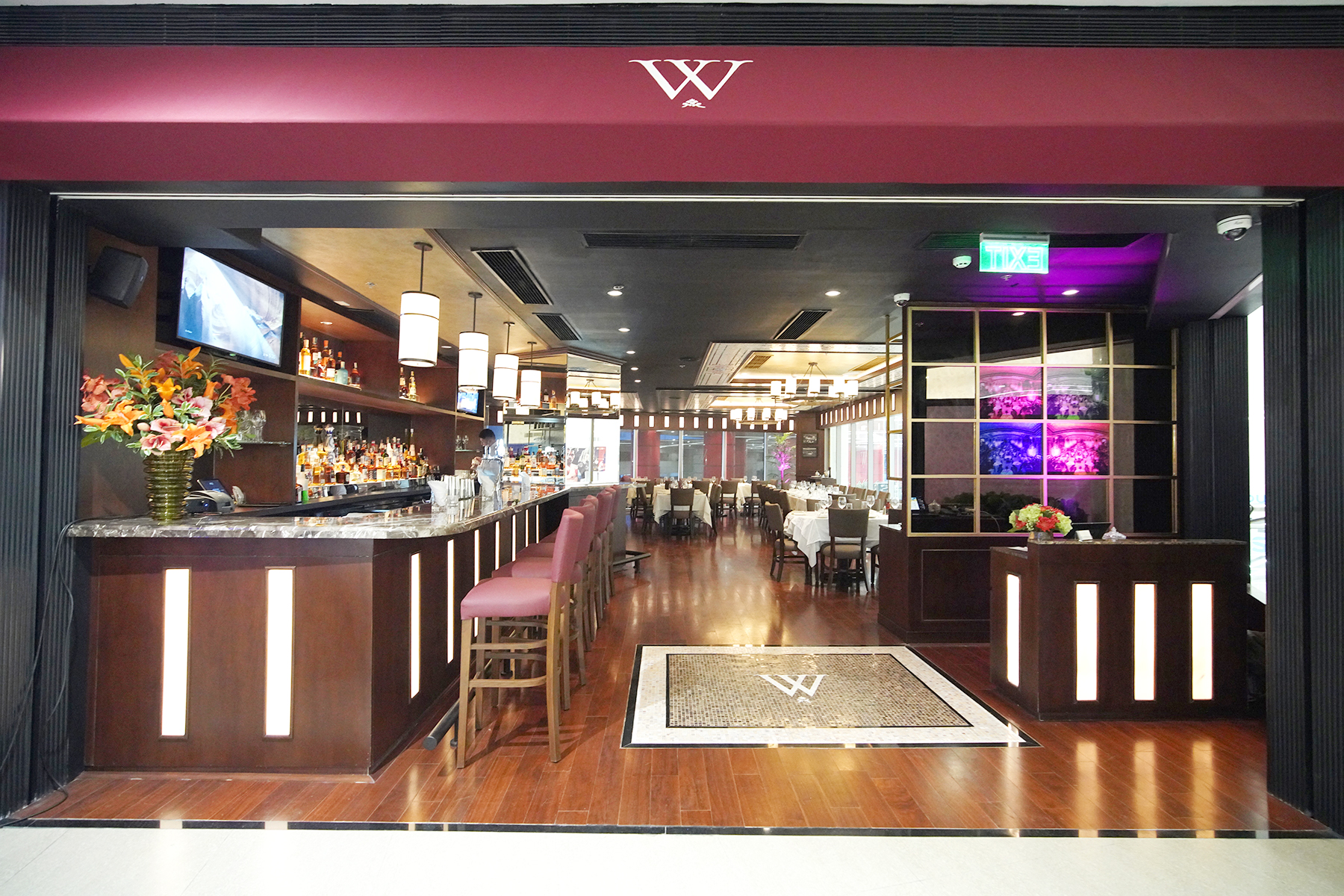
COZY AND INTIMATE The newest branch is located at Araneta City’s Gateway Mall 2

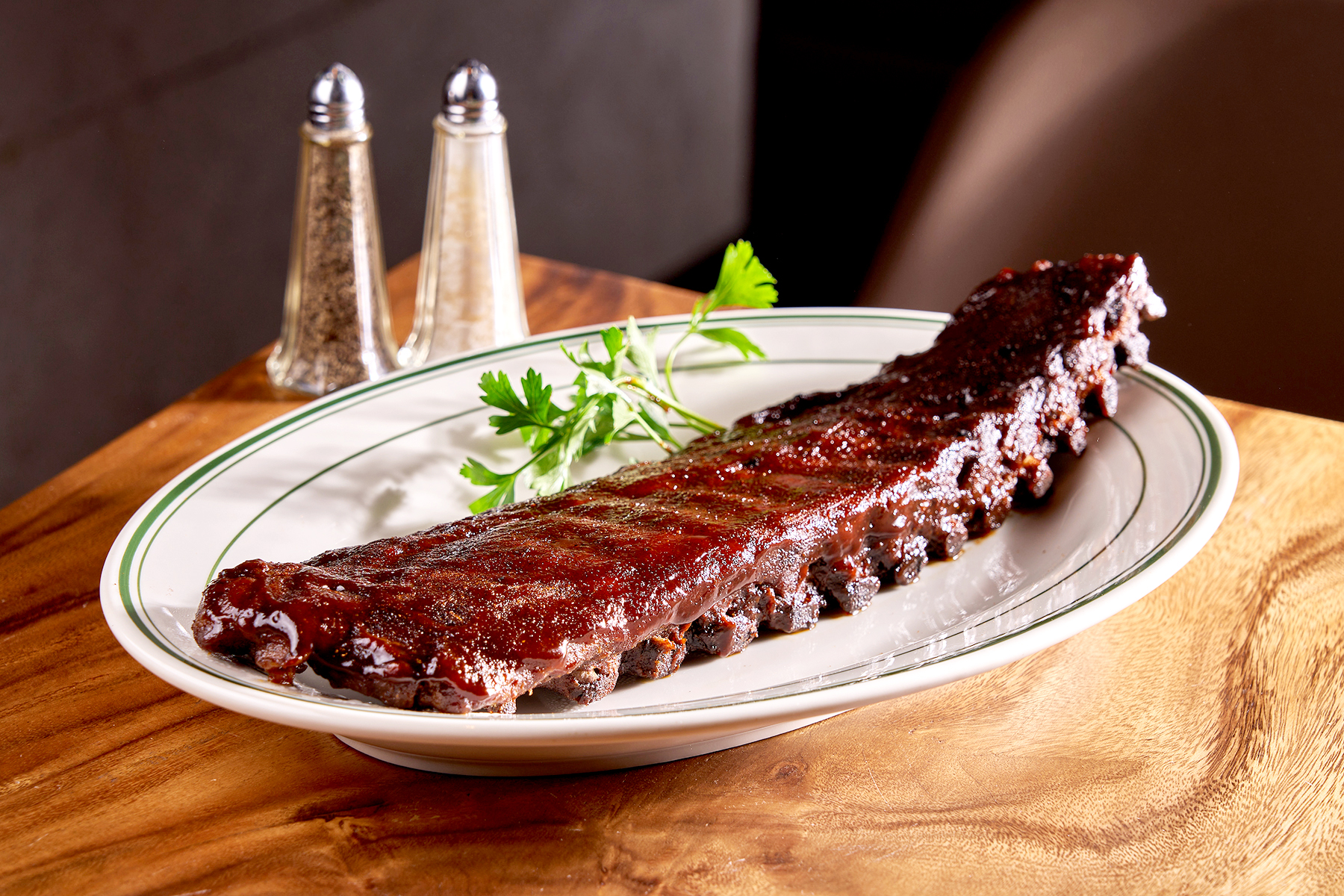
All this talk of steak is enough to give anyone cravings for a good cut. Fortunately for us, there’s a new branch of Wolfgang’s Steakhouse that has just opened its doors to the public at Araneta City’s Gateway Mall 2 in Cubao, Quezon City. Wolfgang’s Steakhouse is no stranger to providing quality steaks. Its founder, Wolfgang Zwiener, started the restaurant after honing over 40 years of experience as the head waiter of Peter Luger Steak House. In Wolfgang’s Steakhouse, you can treat yourself to a wide array of premium cuts such as the USDA Prime dry-aged Porterhouse Steak and Wolfgang’s Tomahawk Steak. There’s also a selection of grilled meals such as Skirt Steak Tacos, Lomo Saltado, Grilled Baby Back Ribs, Grilled Barbecue Short Ribs, Dry-Aged Pastrami, Beef Filet Roast, Grilled Lemon Caper Chicken, and more. You can already imagine the joy of having a quality steak after watching a game or singing your heart out after a concert in the Big Dome.
4.jpg
I NEED MY BABY BACK Grilled Barbecue Baby Back Ribs

“From the milestone of introducing more value-driven, more interesting, and more flavorful plates in City of Dreams, it is an absolute honor to be able to continue this legacy here at Wolfgang’s Steakhouse in AranetaCity,” says Peter Zwiener, president and co-founder of Wolfgang’s Steakhouse. “Nothing brings our family more joy than to share this unparalleled dining experience we have all come to enjoy and love to the rest of Metro Manila through this benchmark in Quezon City where the best of sports and entertainment come together in a show of force unlike any other.”

www.wolfgangssteakhouse.ph

Related Tags

Poch Eulalia Gateway Mall 2 Food and Travel Wolfgang’s Steakhouse
ADVERTISEMENT
.most-popular .layout-ratio{ padding-bottom: 79.13%; } @media (min-width: 768px) and (max-width: 1024px) { .widget-title { font-size: 15px !important; } }

{{ articles_filter_1561_widget.title }}

.most-popular .layout-ratio{ padding-bottom: 79.13%; } @media (min-width: 768px) and (max-width: 1024px) { .widget-title { font-size: 15px !important; } }

{{ articles_filter_1562_widget.title }}

.most-popular .layout-ratio{ padding-bottom: 79.13%; } @media (min-width: 768px) and (max-width: 1024px) { .widget-title { font-size: 15px !important; } }

{{ articles_filter_1563_widget.title }}

{{ articles_filter_1564_widget.title }}

.mb-article-details { position: relative; } .mb-article-details .article-body-preview, .mb-article-details .article-body-summary{ font-size: 17px; line-height: 30px; font-family: "Libre Caslon Text", serif; color: #000; } .mb-article-details .article-body-preview iframe , .mb-article-details .article-body-summary iframe{ width: 100%; margin: auto; } .read-more-background { background: linear-gradient(180deg, color(display-p3 1.000 1.000 1.000 / 0) 13.75%, color(display-p3 1.000 1.000 1.000 / 0.8) 30.79%, color(display-p3 1.000 1.000 1.000) 72.5%); position: absolute; height: 200px; width: 100%; bottom: 0; display: flex; justify-content: center; align-items: center; padding: 0; } .read-more-background a{ color: #000; } .read-more-btn { padding: 17px 45px; font-family: Inter; font-weight: 700; font-size: 18px; line-height: 16px; text-align: center; vertical-align: middle; border: 1px solid black; background-color: white; } .hidden { display: none; }
function initializeAllSwipers() { // Get all hidden inputs with cms_article_id document.querySelectorAll('[id^="cms_article_id_"]').forEach(function (input) { const cmsArticleId = input.value; const articleSelector = '#article-' + cmsArticleId + ' .body_images'; const swiperElement = document.querySelector(articleSelector); if (swiperElement && !swiperElement.classList.contains('swiper-initialized')) { new Swiper(articleSelector, { loop: true, pagination: false, navigation: { nextEl: '#article-' + cmsArticleId + ' .swiper-button-next', prevEl: '#article-' + cmsArticleId + ' .swiper-button-prev', }, }); } }); } setTimeout(initializeAllSwipers, 3000); const intersectionObserver = new IntersectionObserver( (entries) => { entries.forEach((entry) => { if (entry.isIntersecting) { const newUrl = entry.target.getAttribute("data-url"); if (newUrl) { history.pushState(null, null, newUrl); let article = entry.target; // Extract metadata const author = article.querySelector('.author-section').textContent.replace('By', '').trim(); const section = article.querySelector('.section-info ').textContent.replace(' ', ' '); const title = article.querySelector('.article-title h1').textContent; // Parse URL for Chartbeat path format const parsedUrl = new URL(newUrl, window.location.origin); const cleanUrl = parsedUrl.host + parsedUrl.pathname; // Update Chartbeat configuration if (typeof window._sf_async_config !== 'undefined') { window._sf_async_config.path = cleanUrl; window._sf_async_config.sections = section; window._sf_async_config.authors = author; } // Track virtual page view with Chartbeat if (typeof pSUPERFLY !== 'undefined' && typeof pSUPERFLY.virtualPage === 'function') { try { pSUPERFLY.virtualPage({ path: cleanUrl, title: title, sections: section, authors: author }); } catch (error) { console.error('ping error', error); } } // Optional: Update document title if (title && title !== document.title) { document.title = title; } } } }); }, { threshold: 0.1 } ); function showArticleBody(button) { const article = button.closest("article"); const summary = article.querySelector(".article-body-summary"); const body = article.querySelector(".article-body-preview"); const readMoreSection = article.querySelector(".read-more-background"); // Hide summary and read-more section summary.style.display = "none"; readMoreSection.style.display = "none"; // Show the full article body body.classList.remove("hidden"); } document.addEventListener("DOMContentLoaded", () => { let loadCount = 0; // Track how many times articles are loaded const offset = [1, 2, 3, 4, 5, 6, 7, 8, 9, 10]; // Offset values const currentUrl = window.location.pathname.substring(1); let isLoading = false; // Prevent multiple calls if (!currentUrl) { console.log("Current URL is invalid."); return; } const sentinel = document.getElementById("load-more-sentinel"); if (!sentinel) { console.log("Sentinel element not found."); return; } function isSentinelVisible() { const rect = sentinel.getBoundingClientRect(); return ( rect.top < window.innerHeight && rect.bottom >= 0 ); } function onScroll() { if (isLoading) return; if (isSentinelVisible()) { if (loadCount >= offset.length) { console.log("Maximum load attempts reached."); window.removeEventListener("scroll", onScroll); return; } isLoading = true; const currentOffset = offset[loadCount]; window.loadMoreItems().then(() => { let article = document.querySelector('#widget_1690 > div:nth-last-of-type(2) article'); intersectionObserver.observe(article) loadCount++; }).catch(error => { console.error("Error loading more items:", error); }).finally(() => { isLoading = false; }); } } window.addEventListener("scroll", onScroll); });

Sign up by email to receive news.