

ADVERTISEMENT

REVIEW: Why Juan Karlos Labajo's 'ERE' sounds so familiar

Published Oct 17, 2023 06:24 am

Juan Karlos Labajo has reached a new milestone.

His new single "ERE" just made history becoming the most streamed local track in a day this year, lodging over 1.2 million streams in Spotify PH last Oct. 11. 

The song is still rising.

As we write this, "ERE" occupies the second spot in Spotify's Global Viral Songs and the 87th spot in Spotify's Global Top Songs Charts.

Will it make it all the way to the top and become this generation’s “Anak?”

Maybe. Who knows?

What makes it special?

The tune is not that extraordinary. It is actually quite derivative.

It’s as if Juan Karlos was toying with the chord changes of Radiohead’s “Creep,” as with Orange And Lemons’ “Hanggang Kailan” and decided to create an actual song with it.

This is nothing new for the actor-singer. His own “Buwan” is a hackneyed blues number. 

Still, he should be credited for making it appealing enough for the masses to dig – something that many hoped Binky Lampano would succeed at years back.
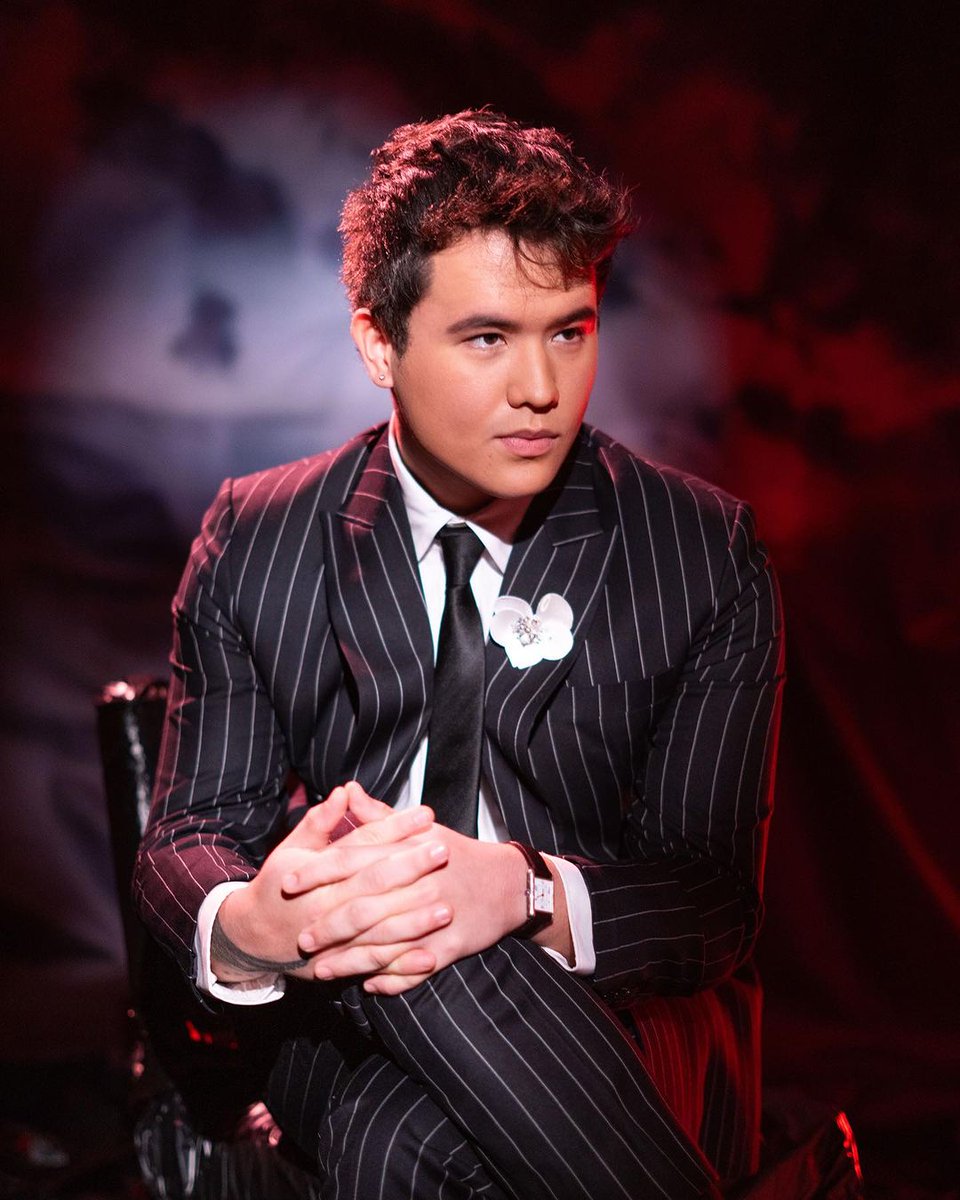
jk labajo 2.jpg

But we digress.

It should be said that “Buwan” is way much easier on the ears than “ERE.”

So why is “ERE” a hit among listeners?

Some say “ERE’s” expletive-laden lyrics helped its cause big time, with today’s generation seemingly only too eager to sing along to it.

Like naughty little children often do.

We actually witnessed this at a recent mall show.

Eager to understand why, we spoke to some of the kids there.

And they basically confirmed what we knew all along.

“Ang sarap sabayan lalo na sa inuman,” said one.

“Yung ramdam mo talaga ang sakit tapos mapapasabay ka kay JK magmura, sarap,” said another.

This might seem hip, fresh, and new for them but just like its chords, the use of profanities in “ERE” is not unique, original.

The Eraserheads already did very much the same thing to great effect all those years ago via their classic “Pare Ko.”

It rhymes the same words too in “Diba,” “...ina,” and “tanga.”

Not surprisingly, both explore very much the same subject, somewhat. About being left hanging by a beloved.

We are not accusing Juan Karlos of plagiarism. If anything, what he did could be considered interpolation.

To those not in the know, “Interpolation” in music generally means you take bits and pieces of something from somewhere, often a well known song or songs, and you incorporate it into your own work.

This has been done so many times in the past and in the present from Led Zeppelin to Ed Sheeran.

Yes, there are legal risks particularly if the original artist decides to contest it in court but the rewards are huge.

Familiarity is a quick shortcut to attaining a hit, after all.

So, what can we gleam from this?

Should we all just regurgitate old tunes and market them as something new?

Well, if you can get away with it, why not?

As to Juan Karlos, he did good feigning surprise relating “ERE’s” apparent success in an interview with Billboard Philippines.

"It was definitely interesting,” he said. “I didn’t really expect much from the whole thing. I really just focused on making music and that’s really about it.”

Well said.

Related Tags

Juan Karlos Labajo
ADVERTISEMENT
.most-popular .layout-ratio{ padding-bottom: 79.13%; } @media (min-width: 768px) and (max-width: 1024px) { .widget-title { font-size: 15px !important; } }

{{ articles_filter_1561_widget.title }}

.most-popular .layout-ratio{ padding-bottom: 79.13%; } @media (min-width: 768px) and (max-width: 1024px) { .widget-title { font-size: 15px !important; } }

{{ articles_filter_1562_widget.title }}

.most-popular .layout-ratio{ padding-bottom: 79.13%; } @media (min-width: 768px) and (max-width: 1024px) { .widget-title { font-size: 15px !important; } }

{{ articles_filter_1563_widget.title }}

{{ articles_filter_1564_widget.title }}

.mb-article-details { position: relative; } .mb-article-details .article-body-preview, .mb-article-details .article-body-summary{ font-size: 17px; line-height: 30px; font-family: "Libre Caslon Text", serif; color: #000; } .mb-article-details .article-body-preview iframe , .mb-article-details .article-body-summary iframe{ width: 100%; margin: auto; } .read-more-background { background: linear-gradient(180deg, color(display-p3 1.000 1.000 1.000 / 0) 13.75%, color(display-p3 1.000 1.000 1.000 / 0.8) 30.79%, color(display-p3 1.000 1.000 1.000) 72.5%); position: absolute; height: 200px; width: 100%; bottom: 0; display: flex; justify-content: center; align-items: center; padding: 0; } .read-more-background a{ color: #000; } .read-more-btn { padding: 17px 45px; font-family: Inter; font-weight: 700; font-size: 18px; line-height: 16px; text-align: center; vertical-align: middle; border: 1px solid black; background-color: white; } .hidden { display: none; }
function initializeAllSwipers() { // Get all hidden inputs with cms_article_id document.querySelectorAll('[id^="cms_article_id_"]').forEach(function (input) { const cmsArticleId = input.value; const articleSelector = '#article-' + cmsArticleId + ' .body_images'; const swiperElement = document.querySelector(articleSelector); if (swiperElement && !swiperElement.classList.contains('swiper-initialized')) { new Swiper(articleSelector, { loop: true, pagination: false, navigation: { nextEl: '#article-' + cmsArticleId + ' .swiper-button-next', prevEl: '#article-' + cmsArticleId + ' .swiper-button-prev', }, }); } }); } setTimeout(initializeAllSwipers, 3000); const intersectionObserver = new IntersectionObserver( (entries) => { entries.forEach((entry) => { if (entry.isIntersecting) { const newUrl = entry.target.getAttribute("data-url"); if (newUrl) { history.pushState(null, null, newUrl); let article = entry.target; // Extract metadata const author = article.querySelector('.author-section').textContent.replace('By', '').trim(); const section = article.querySelector('.section-info ').textContent.replace(' ', ' '); const title = article.querySelector('.article-title h1').textContent; // Parse URL for Chartbeat path format const parsedUrl = new URL(newUrl, window.location.origin); const cleanUrl = parsedUrl.host + parsedUrl.pathname; // Update Chartbeat configuration if (typeof window._sf_async_config !== 'undefined') { window._sf_async_config.path = cleanUrl; window._sf_async_config.sections = section; window._sf_async_config.authors = author; } // Track virtual page view with Chartbeat if (typeof pSUPERFLY !== 'undefined' && typeof pSUPERFLY.virtualPage === 'function') { try { pSUPERFLY.virtualPage({ path: cleanUrl, title: title, sections: section, authors: author }); } catch (error) { console.error('ping error', error); } } // Optional: Update document title if (title && title !== document.title) { document.title = title; } } } }); }, { threshold: 0.1 } ); function showArticleBody(button) { const article = button.closest("article"); const summary = article.querySelector(".article-body-summary"); const body = article.querySelector(".article-body-preview"); const readMoreSection = article.querySelector(".read-more-background"); // Hide summary and read-more section summary.style.display = "none"; readMoreSection.style.display = "none"; // Show the full article body body.classList.remove("hidden"); } document.addEventListener("DOMContentLoaded", () => { let loadCount = 0; // Track how many times articles are loaded const offset = [1, 2, 3, 4, 5, 6, 7, 8, 9, 10]; // Offset values const currentUrl = window.location.pathname.substring(1); let isLoading = false; // Prevent multiple calls if (!currentUrl) { console.log("Current URL is invalid."); return; } const sentinel = document.getElementById("load-more-sentinel"); if (!sentinel) { console.log("Sentinel element not found."); return; } function isSentinelVisible() { const rect = sentinel.getBoundingClientRect(); return ( rect.top < window.innerHeight && rect.bottom >= 0 ); } function onScroll() { if (isLoading) return; if (isSentinelVisible()) { if (loadCount >= offset.length) { console.log("Maximum load attempts reached."); window.removeEventListener("scroll", onScroll); return; } isLoading = true; const currentOffset = offset[loadCount]; window.loadMoreItems().then(() => { let article = document.querySelector('#widget_1690 > div:nth-last-of-type(2) article'); intersectionObserver.observe(article) loadCount++; }).catch(error => { console.error("Error loading more items:", error); }).finally(() => { isLoading = false; }); } } window.addEventListener("scroll", onScroll); });

Sign up by email to receive news.