







Are we spoiling the Spoliarium experience?
Is it unacceptable to do yoga in front of a masterpiece?


At A Glance
- The museum must be willing to redefine its relationship with the visitor.
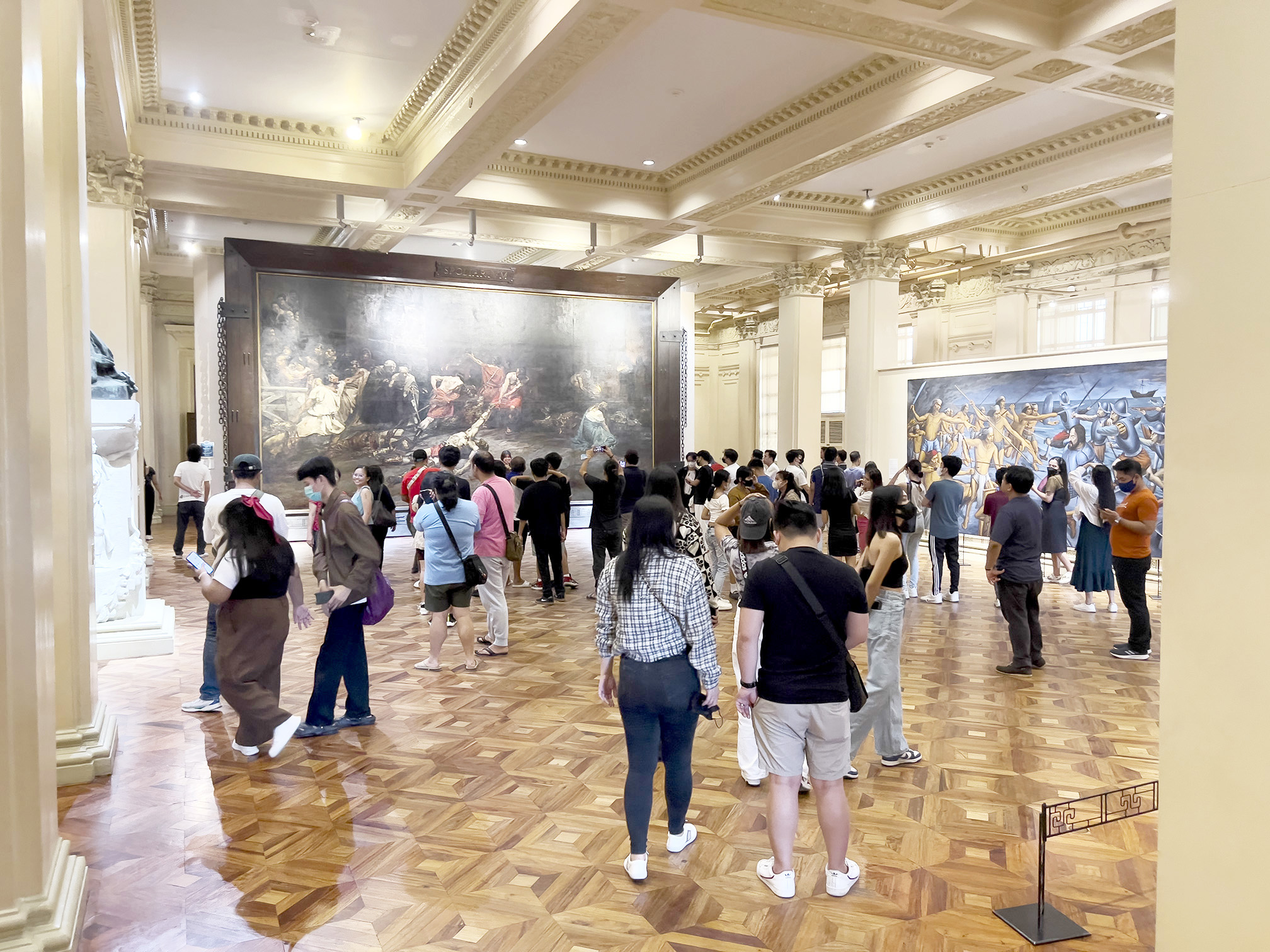
“I do not see how yoga and Spoliarium plus the other art works there mix. What is next, a Zumba session in the same hall?” read the message I received from an irate citizen one morning following reports the National Museum of the Philippines (NMP) held a yoga session as part of its “Yoga at the Museum” program last week.
I saw the post on my FB feed as well and my initial response was unease, but then I remembered a paper I read on just this very matter by Ruth Rentschler and Audry Gilmore called “Museums: Discovering Services Marketing,” and so I understood.
The image of participants practicing yoga in front of the Spoliarium was shocking only because we are not used to being so casual in front of art in the Philippines, much more the Spoliarium. Abroad, we join the noisy hordes of shorts and t-shirt clad museum goers to appreciate the artworks of great masters on display but in the Philippines we are still getting used to being casual in the presence of art—which is a good thing, I think. When I visited the NMP a few months ago, it was heaving with so many young Filipinos—barkadas enjoying the aircon and many tambayan places in empty nooks and crannies and staircases within the NMP, to the consternation of the guard at the time.
She was so apologetic but I reassured her that having the younger generation at the museum was a good thing. I was told that the young were often creating content for their respective social media platforms, which to me is great so more will get to see what is inside the museum who, I hope, will want to visit. I was happy to know that the kids were creating their own personal history with the NMP.
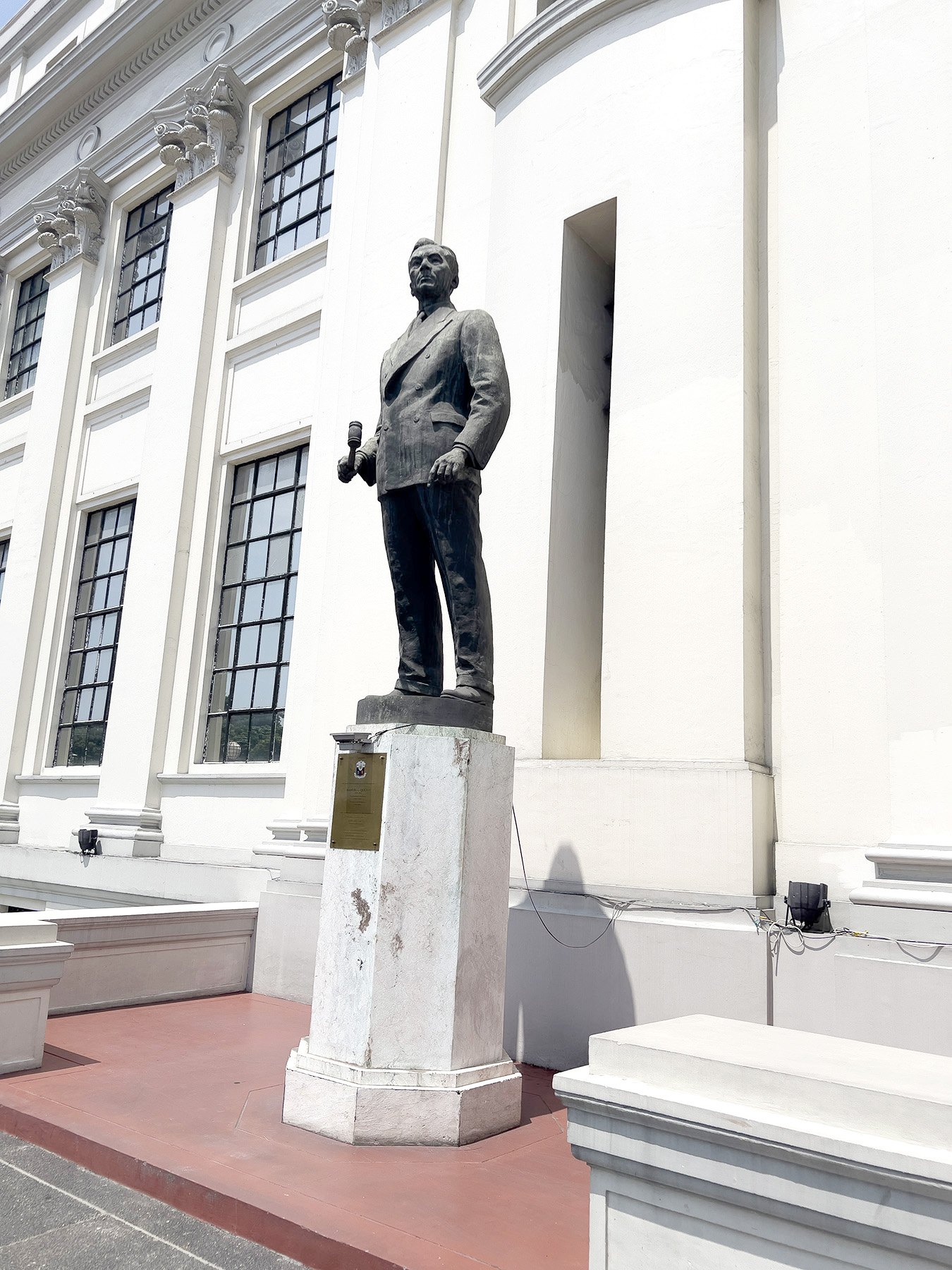
I loved hearing the din of voices filling the halls of the former Senate building. I spent a few years in this building when I was doing my MA in Archaeology and analyzing the decorated earthenware assemblage of Ayub Cave in Sarangani.
The old Senate building housed the offices and various departments of the NMP. At that time, my 23-year-old son William was just a toddler and while I was doing my analysis, he would drive his yellow trike, pushing it with his feet a la Flintstone through the empty and silent halls on the fourth floor, where the Archaeology Division used to be located. So to hear the halls on all levels of the NMP filled with voices and shuffling feet of visitors really made me happy. I’m sure the museum was very happy about it as well.
Speaking of visitors and making their experience a good one, the paper of Rentschler et al, explains the changing roles of the museum and its thrust on getting more people to visit it multiple times. To do this, the museum must be willing to redefine its relationship with the audience. Where before visitors were kept at arm’s length from the artwork, “visitor participation” is not only encouraged but recommended in order to create partners with “commitment and attachment to” the museum. One of the many goals of museums today is to make the institution more “accessible and less stuffy.”
The NMP’s participatory initiatives to reach more “partners” who become invested in the museum via immersive museum experiences like, “Yoga in the Museum” has now become part of the institution’s service marketing strategy, which has been the strategy of museum giants found all over the world for a number of years now.
From outside looking in, some are offended that this yoga session was taking place in front of the Spoliarium but again this move of the museum to indulge in this strategy (allowing visitors to choose the experience they have in museum) is all part and parcel of creating history between visitor and the museum. In the article, “Museum-Visitor Relationship Redefined,” Mathilde Pulh and Remi Mencarelli pointed out that “building a close relationship with the members of the public, museums hope to promote visits to museums to benefit from positive word of mouth and form a broader audience in the long term.” Without visitors, the NMP will be hard put to offer the government “clear value”—education and entertainment.

Most museums, especially the NMP, are under financial pressure, forcing its leadership to enter into more entrepreneurial activities and marketing strategies that are alien to how we used to view museums in the past. Museums around the world have been using this strategy and forging the path. The downside of this new strategy, as studies show, is the rise in perceived devaluation of the position of the museum in the public eye. As a result, museum authority and legitimacy on matters of art and heritage are being challenged by the empowered visitor, and the emergence of the “disenchanting” overall museum-going experience. A visit to the museum is no longer special and can be likened to going to the mall.
Whether or not there are any downsides, we should look to the museums abroad for guidance and make adjustments. We also have professionals and technicians working for the NMP to prevent and combat any adverse effect on the art of materials on display.
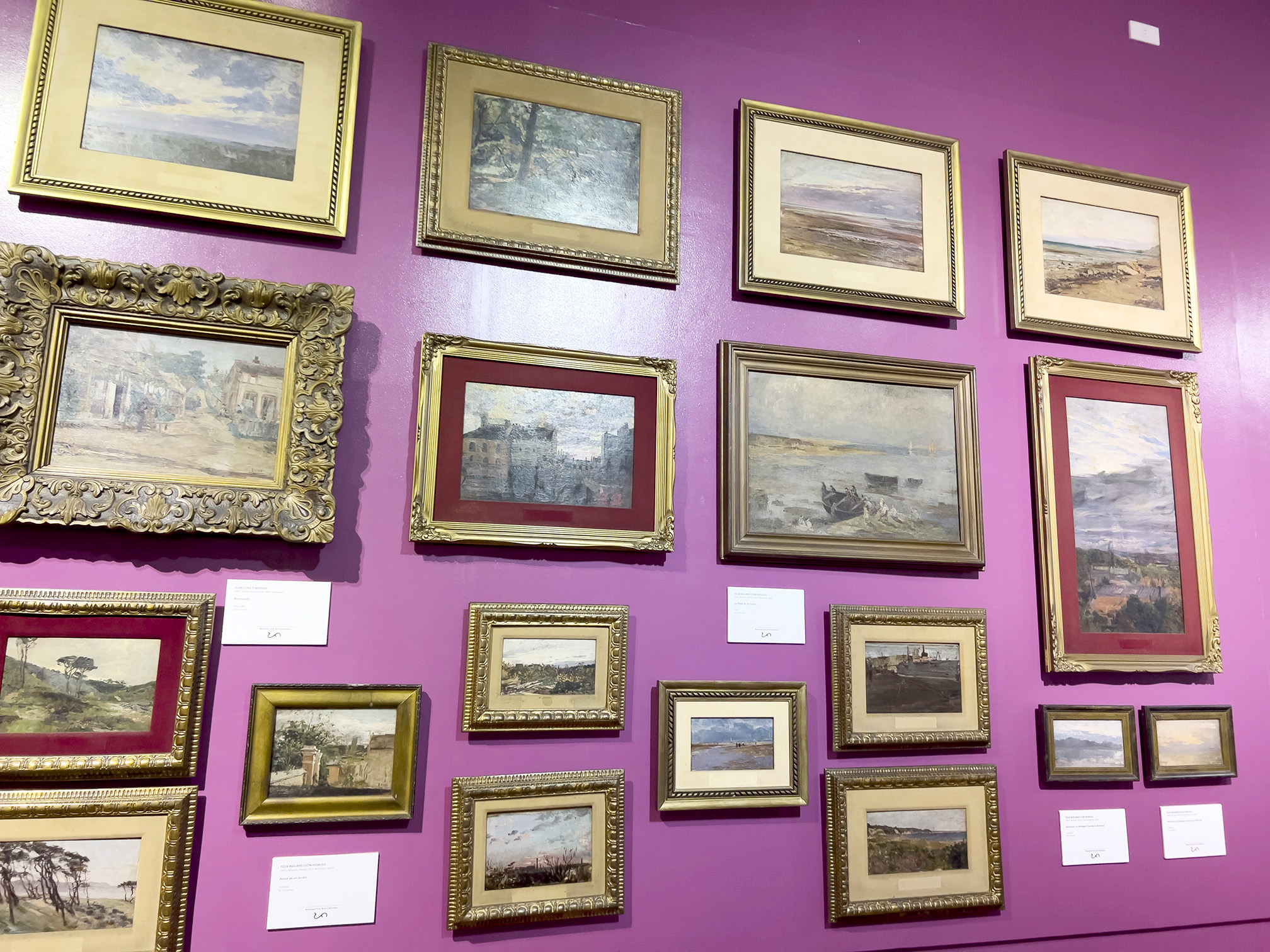
For now, for someone who knows just how much more materials we have hidden in the storge rooms that are waiting to be unveiled to the public, droves of people in any form, shape, or size, with any activity or purpose, as long as they get to experience and learn about the treasures of Filipino art and culture, should be a good thing.