






 Lifestyle
Fashion and Beauty
Here's what you need to know about your favorite German sandals brand
Lifestyle
Fashion and Beauty
Here's what you need to know about your favorite German sandals brand
Here's what you need to know about your favorite German sandals brand
Birkenstock celebrates the legacy of its iconic footwear designs through 'The Hourglass' exhibition
By John Legaspi


Sandals always have a special place in our closet. They are designed for adventure, having, fun, and for anyone who wants a carefree feeling when dressing up. Through the years, we’ve seen many sandal creations, exploring new materials with looks that could easily transition from day to night and from exotic destinations to the urban jungle. But nothing beats a classic. And when we talk about one, it is hard not to think of Birkenstock.

For over two centuries now, the German footwear brand has given people all over the world sandals, and eventually shoes, that are not only stylish but also put the spotlight on foot health. To celebrate its legacy, the label welcomes everyone to “The Hourglass” exhibition, presenting a retrospective journey on how its iconic sandals were made and also a glimpse of what it has to offer in the future. Manila Bulletin Lifestyle got to explore the exhibit, and here are a few things we discovered about its beloved creations.
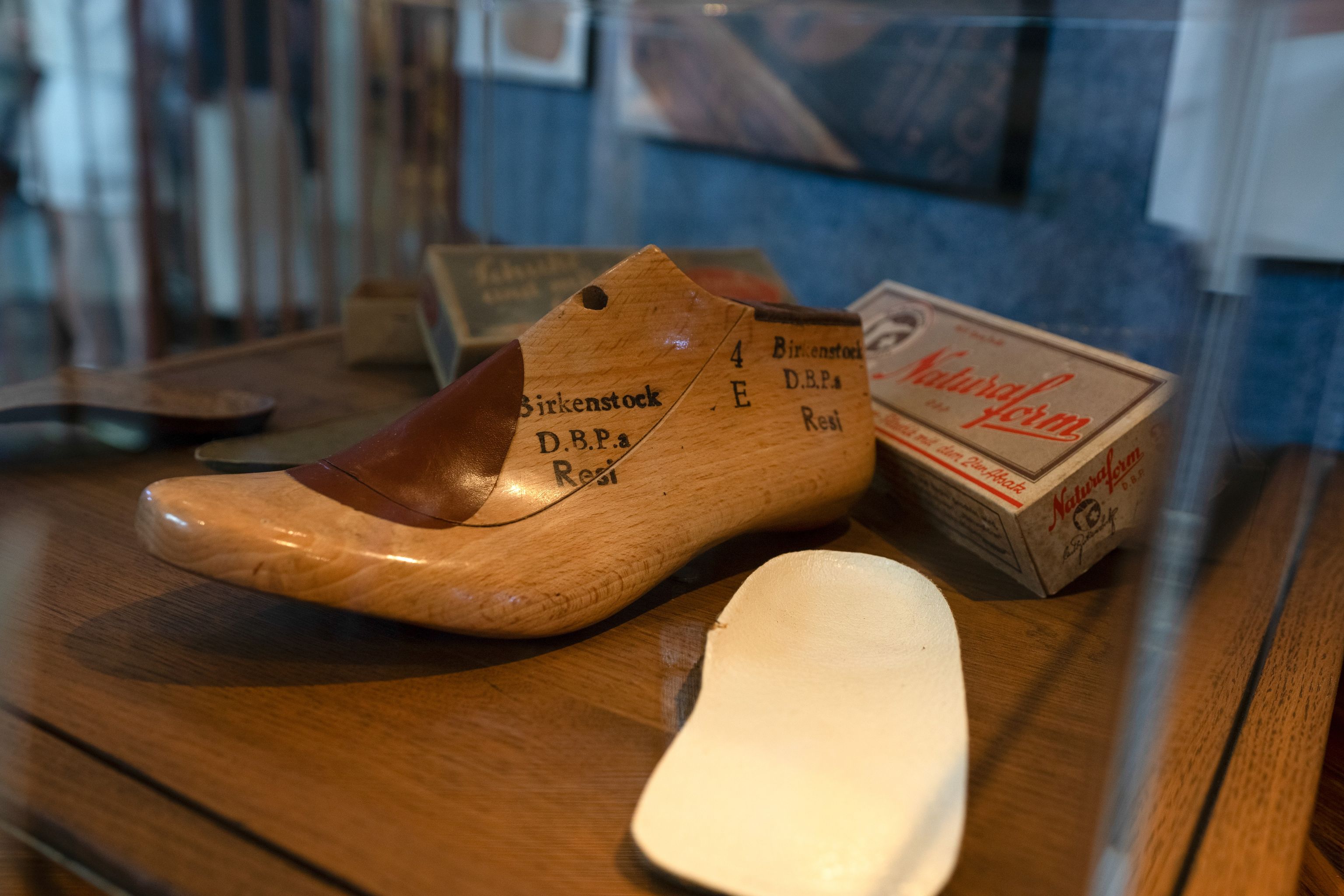
It took generations to create the Birkenstock sandal prototype
The story of Birkenstock started in 1774 with shoemaker Johannes Birkenstock. Shoemaking is something his family s passionate about. But it was in 1873 that Birkenstock became a true brand through Konrad Birkenstock with his workshop in Frankfurt. Together with other shoemakers, he created lasts (solid forms in the shape of human feet which were used to mold shoes) that were orthopedic and followed the natural curves of a foot. Konrad’s mission of achieving Naturgewolltes Gehen (a natural gait in walking) for his customers was succeeded by his second son, Carl Birkenstock, In 1915, he started working at his father’s shoemaking firm at age 15, and years later educated orthopedics, physicians, and clients regarding foot health. But the Birkenstock sandals we all know today came to life in 1962 with Carl's son, Karl Birkenstock, and his first prototype of the Madrid sandals.
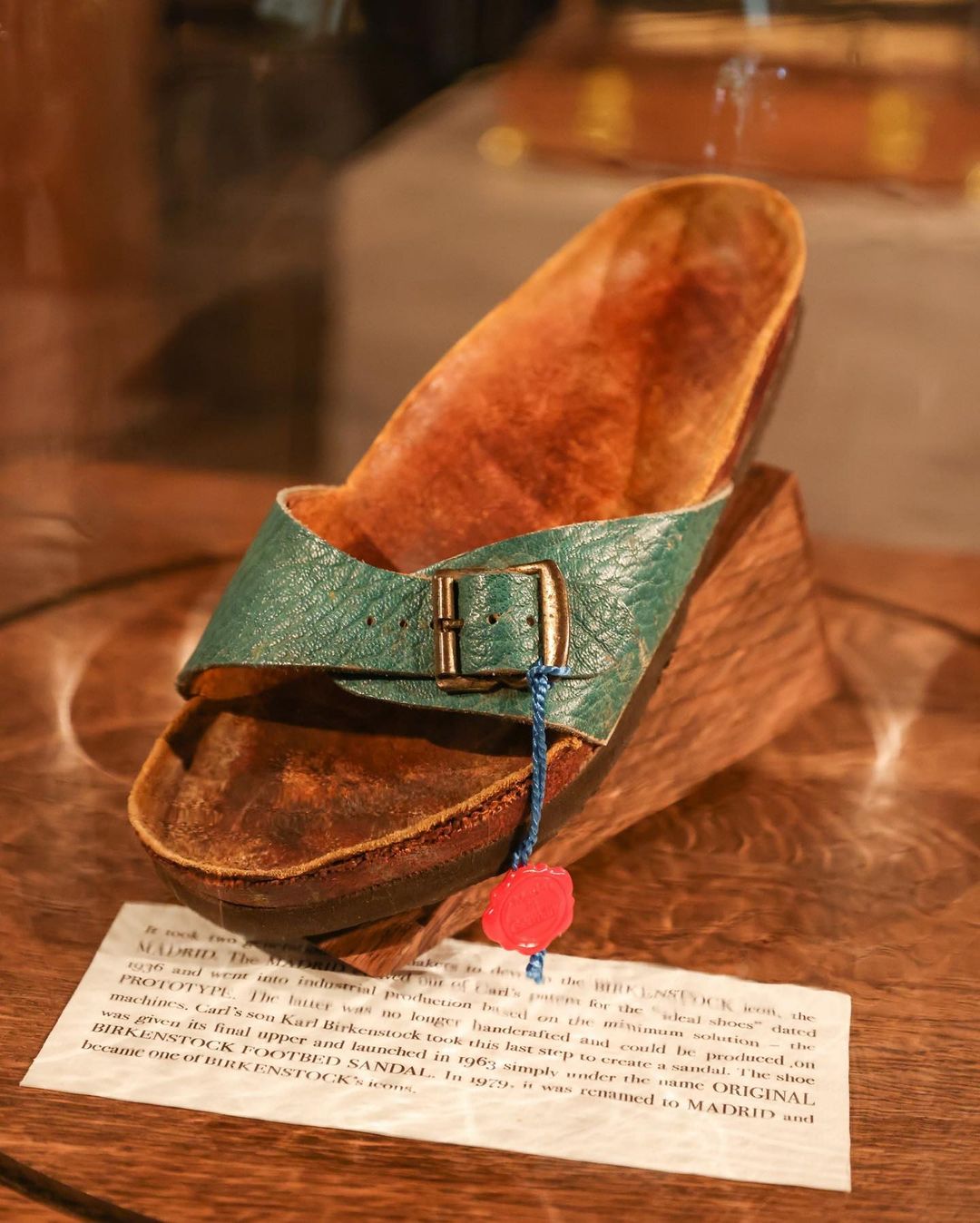
In the beginning, the Madrid sandals were a flop
The Madrid sandals, much like how we see it today, were made with flexible cork and latex footbed. While they have the perfect combination of ergonomics and comfort, the Madrid weren’t a hit at the time because they were sandals and not enclosed shoes. When Karl launched it at a 1963 shoe fair in Düsseldorf, the prominent style was Italian stilettos. But with his perseverance, the Madrid sandals became popular among women, with the brand calling it “a way to signal their emancipation.”
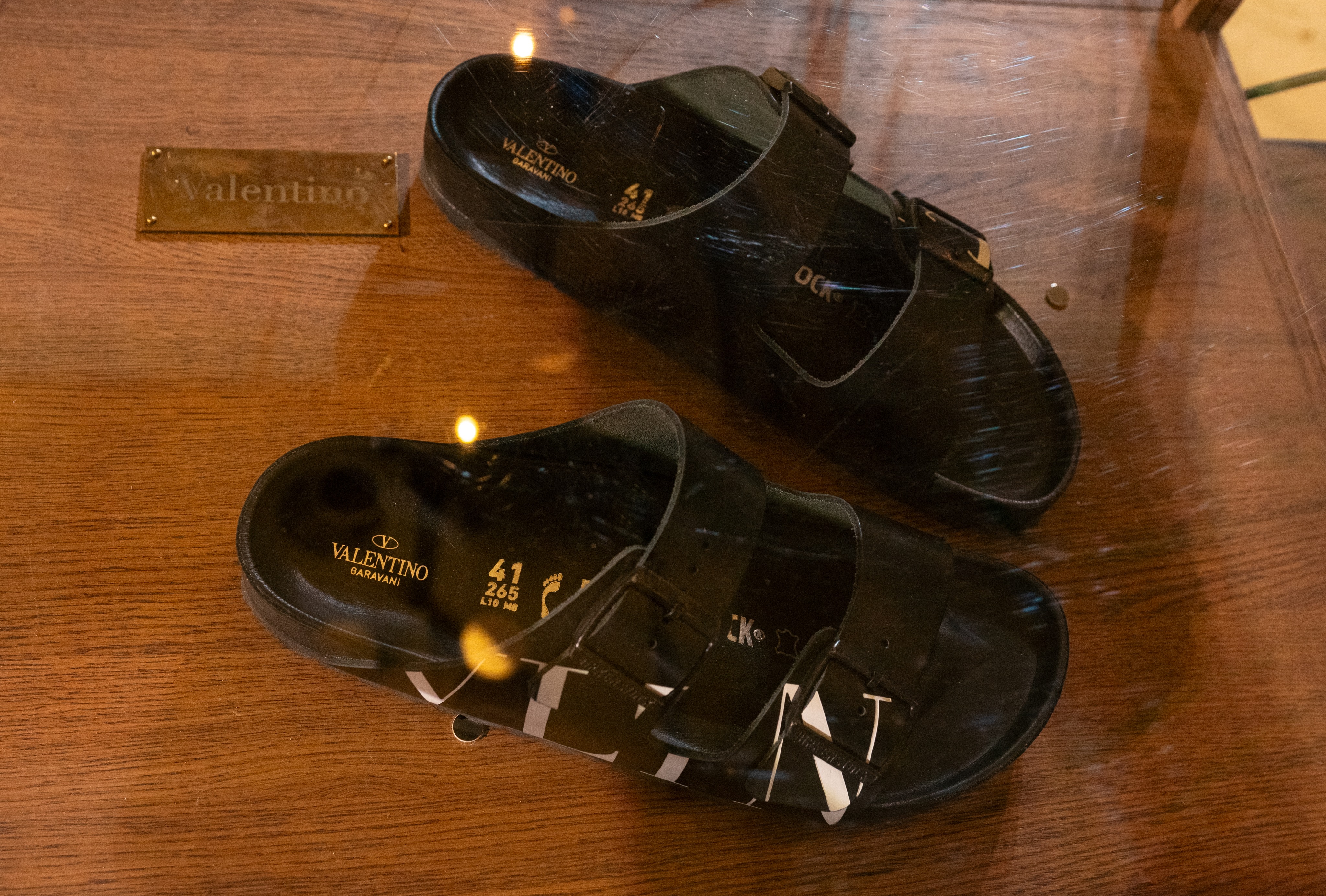
A step toward global success
Over the 1960s and 1970s, many of the now-iconic Birkenstock styles were released. It launched the Zürich in 1964, the Arizona in 1973, and the Boston in 1976. They were all branded under different describing names and did not receive their “city and state” names until 1979. Through the years, its designs evolved, exploring different materials and working with designers and brands such as Valentino, Dior, Manolo Blahnik, and Jil Sander, to name a few.
Birkenstock’s “The Hourglass” exhibit runs until Oct. 5 at Greenbelt 5 mall in Makati City. To know more about it, visit @birkenstockphofficial.
Hello, readers! Do you have a story you want us to feature? Send us a message on Facebook, Instagram, Tiktok, and X and let’s talk about it.