






 Drive
At least 120 atis: Bulacan scholar turned teacher donates trees to scholarship program that gave him a head start
Drive
At least 120 atis: Bulacan scholar turned teacher donates trees to scholarship program that gave him a head start
At least 120 atis: Bulacan scholar turned teacher donates trees to scholarship program that gave him a head start


By BENJAMIN SARONDO
The number of trees in the Philippines continues to decline due to logging, uncontrolled deforestation, and other reasons. According to the Department of Environment and Natural Resources, the country loses around 52,000 trees daily.
Unfortunately, despite these losses, there is a lack of initiative to plant new trees.
In 2018, the local government unit of Plaridel, Bulacan, headed by Mayor Jocell Vistan, started a campaign called the One Tree, One Kid Scholarship Program, where scholars are responsible for planting and growing a tree, which is a requirement to receive their scholarship grant.
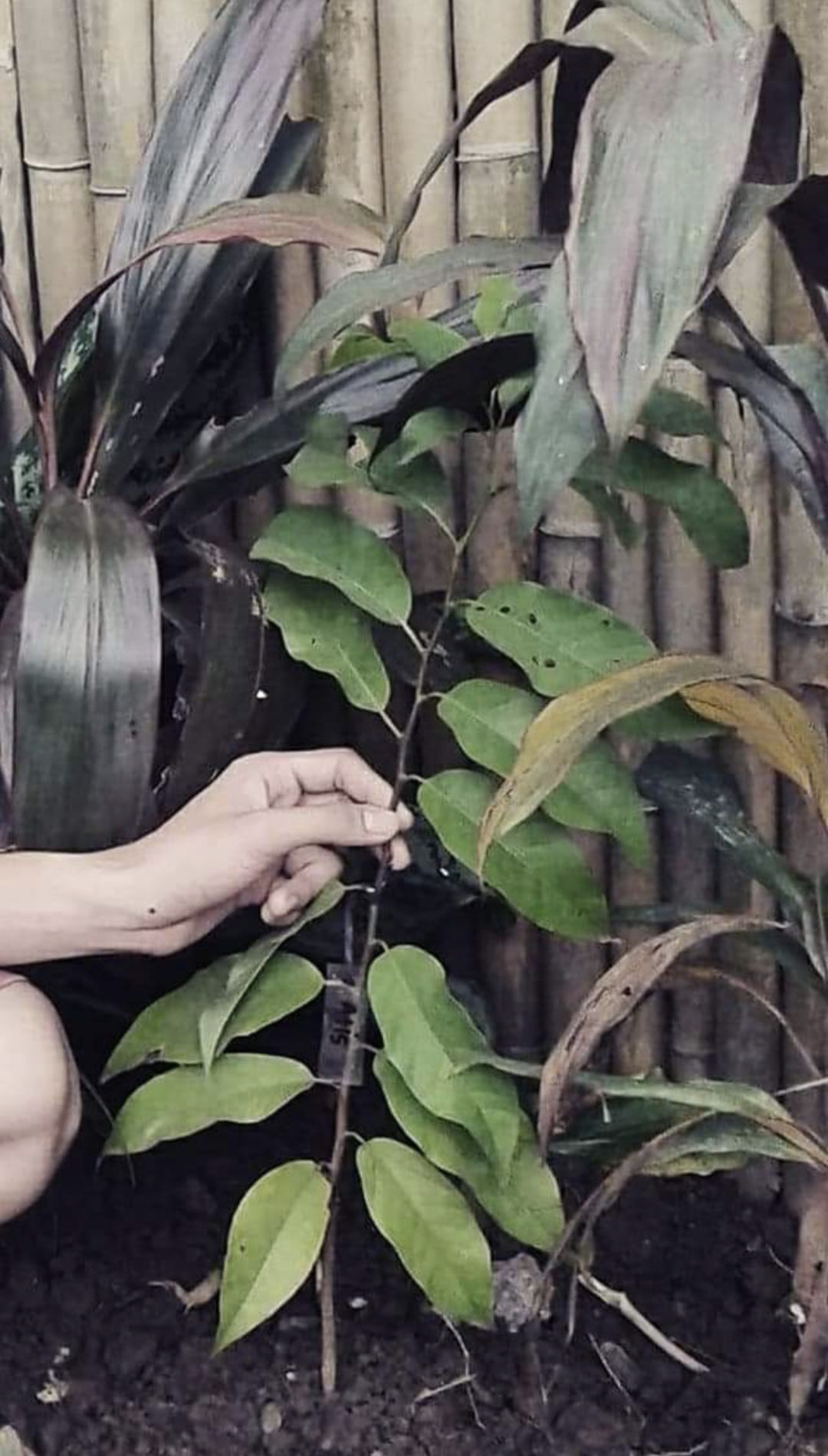
One of the scholars was Vince Christopher Bernabe, who is now a professional licensed teacher and is currently working at La Consolacion University of the Philippines. In his case, he was given a cherimoya (Annona cherimola) tree to grow.
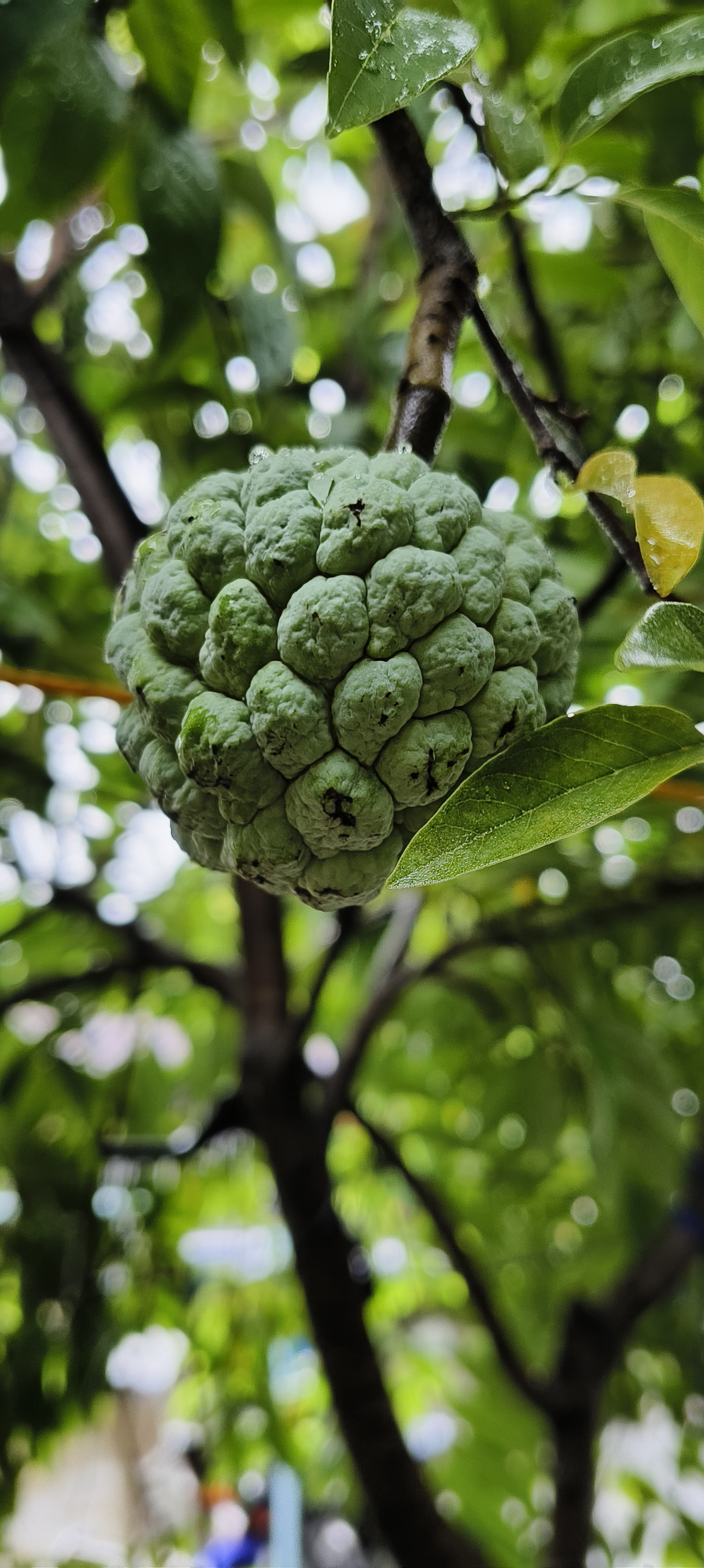
The cherimoya is a cone-shaped green fruit with leathery skin and creamy, sweet flesh. It is also known as the custard apple, and has a lot of health benefits because it is high in antioxidants and nutrients.
“I thought they would only give the scholarship grant to support our education, like other scholarship programs. I did not expect that we would have to grow a tree; we are so shocked seeing that the venue is full of plants,” Bernabe stated in Taglish.
Granting needs
Growing a tree is a challenge for the majority of scholars who are clueless about planting. But luckily, Bernabe has a background in agriculture since both of his parents are farmers and they have a small backyard where they plant.
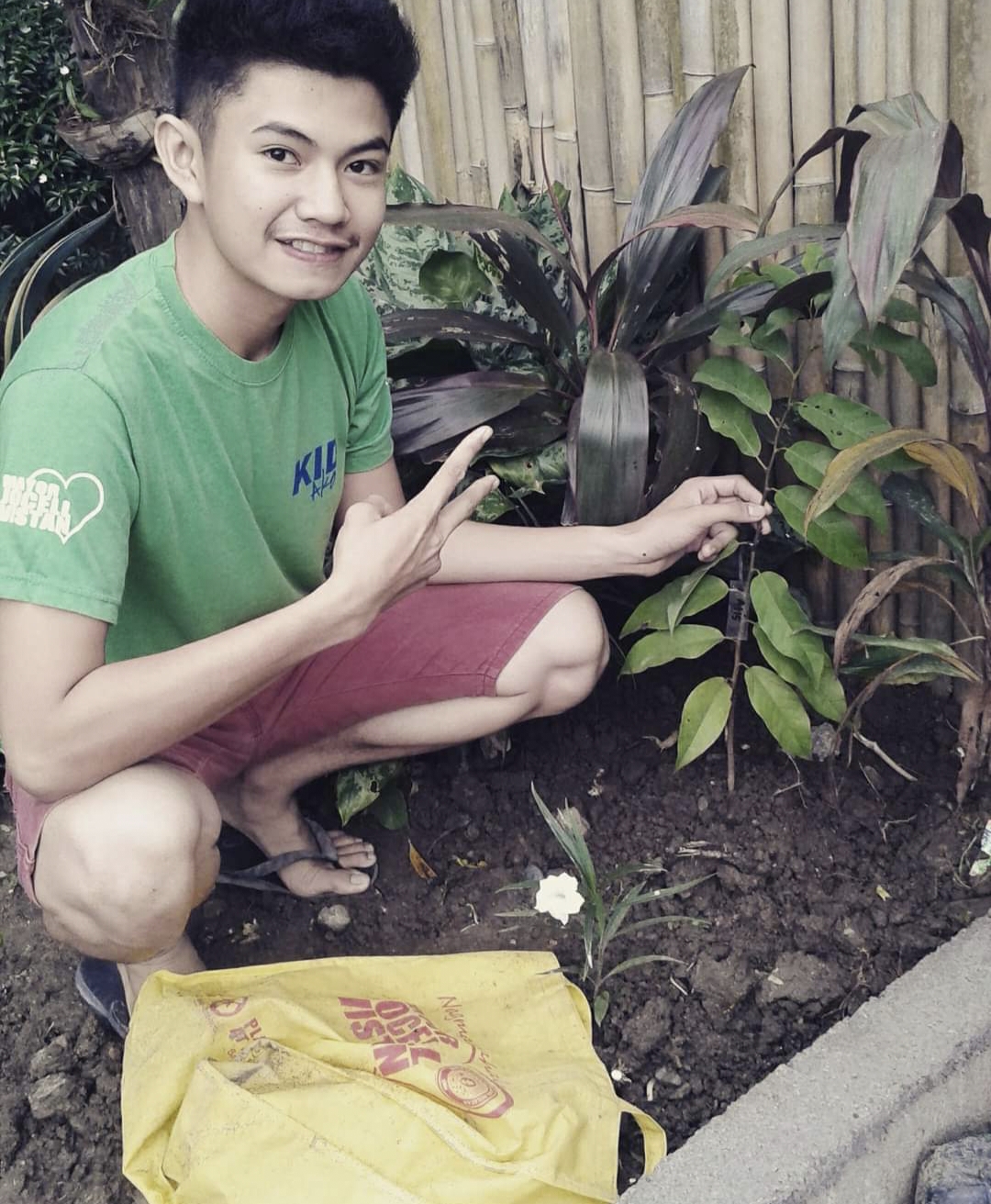
He still recalls when Mayor Vistan reiterated that the municipality will support the education of the scholars, but they must grow the tree they are assigned to take care of, and once it bears fruit, they can give it to the community. This initiative is not just for the education sector but also for agriculture, so he became motivated to take care of his tree.
Before planting the cherimoya tree, he ensured that the land where he would plant it had healthy soil. And one thing he does to achieve healthy soil is by decomposing grass and waste food that serves as the plant’s fertilizer.
During the first month, Bernabe said he was so excited. He said that he was consistent with watering and monitoring the tree. “But in the first month, a storm affected our area. I thought that my tree would die, and it made me more passionate about taking care of my tree.”
“I water my tree three to four times per week, and it should not be watered daily or else the plant will rot.” And during the dry season, instead of watering the plant daily, he only ensures that the soil is not dry since cherimoya requires damp soil.
He also ensured that the cherimoya plant was not exposed to too much sunlight because it will be harsh for the leaves and may cause the soil to dry, Bernabe said that a small amount of sunlight will do.
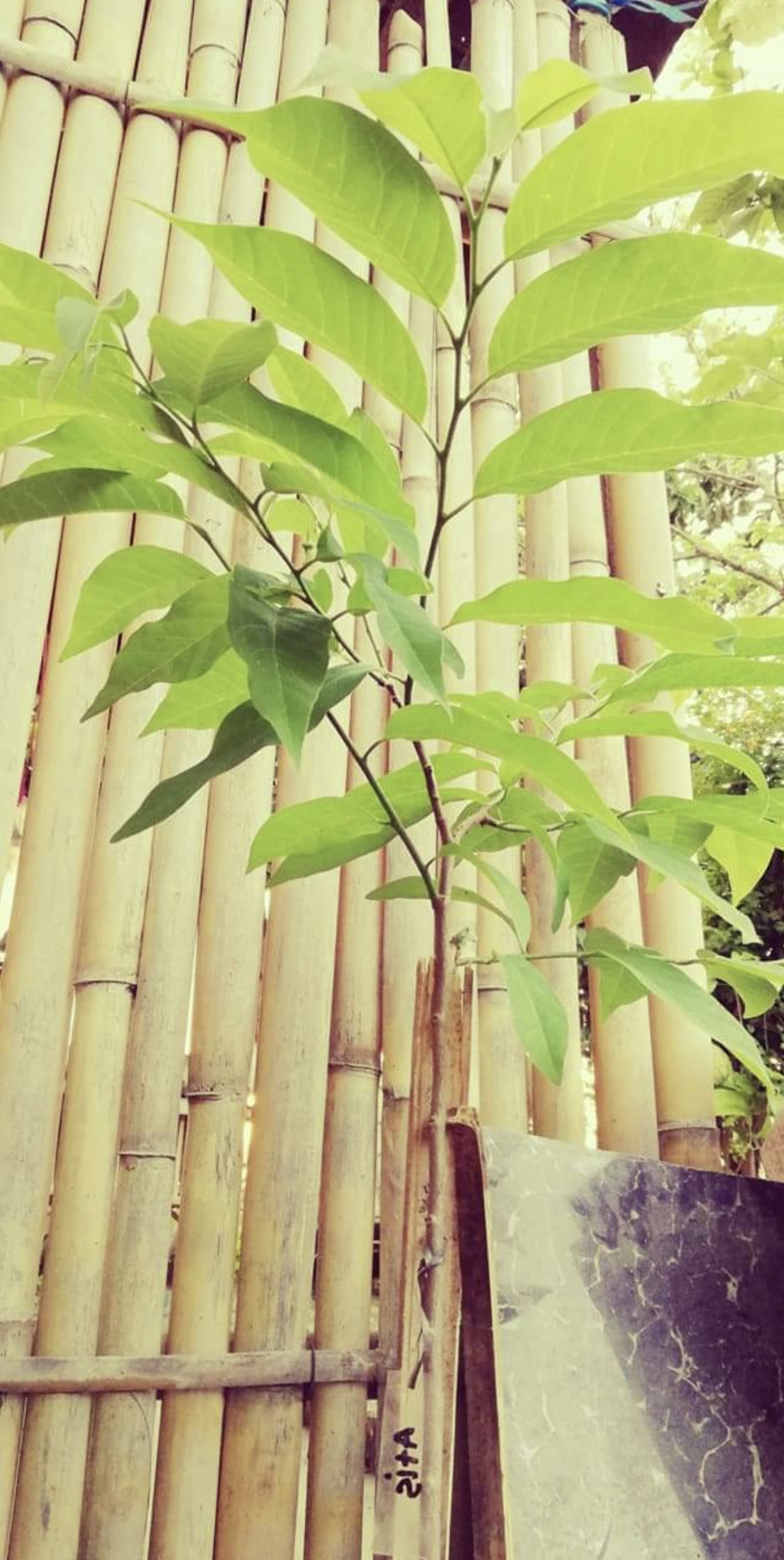
Bernabe expressed his gratitude to the One Tree, One Kid program, “It has financial benefits; it can cover my tuition fee and other school expenses. It also has an impact on the environment, not just in the municipality of Plaridel, Bulacan, but for the entire world.”
Wish granted
Another challenge encountered by Bernabe when they had examinations was that he spent the majority of his time reviewing and less time checking on his tree. “I cannot give my full time to my tree since I was still a student at the time.”
When a scholar fails to grow a tree or when it dies, the municipality provides them with another tree to grow. And when the second tree also died, the scholars were required to provide a tree for themselves to retain their scholarship.
Thankfully, his parents are farmers, so there was always someone to look after his tree. “I am thankful to my parents for those times when I cannot watch over my tree; they water it, they monitor its status, and they do every other work they do when I am busy with my studies.”
“I am lucky enough that, despite these challenges, for the four years that I was a scholar, my tree remained standing and stood strong just like me,” Bernabe said.
Granting others
Bernabe said that the first time his tree bore fruit was right after he graduated, which is why he believed that they were connected to each other. “I believe this tree takes a huge place in my success. While I was growing, it was also growing. And when it is bearing fruit, I am also harvesting the fruit of my hard work when studying.”
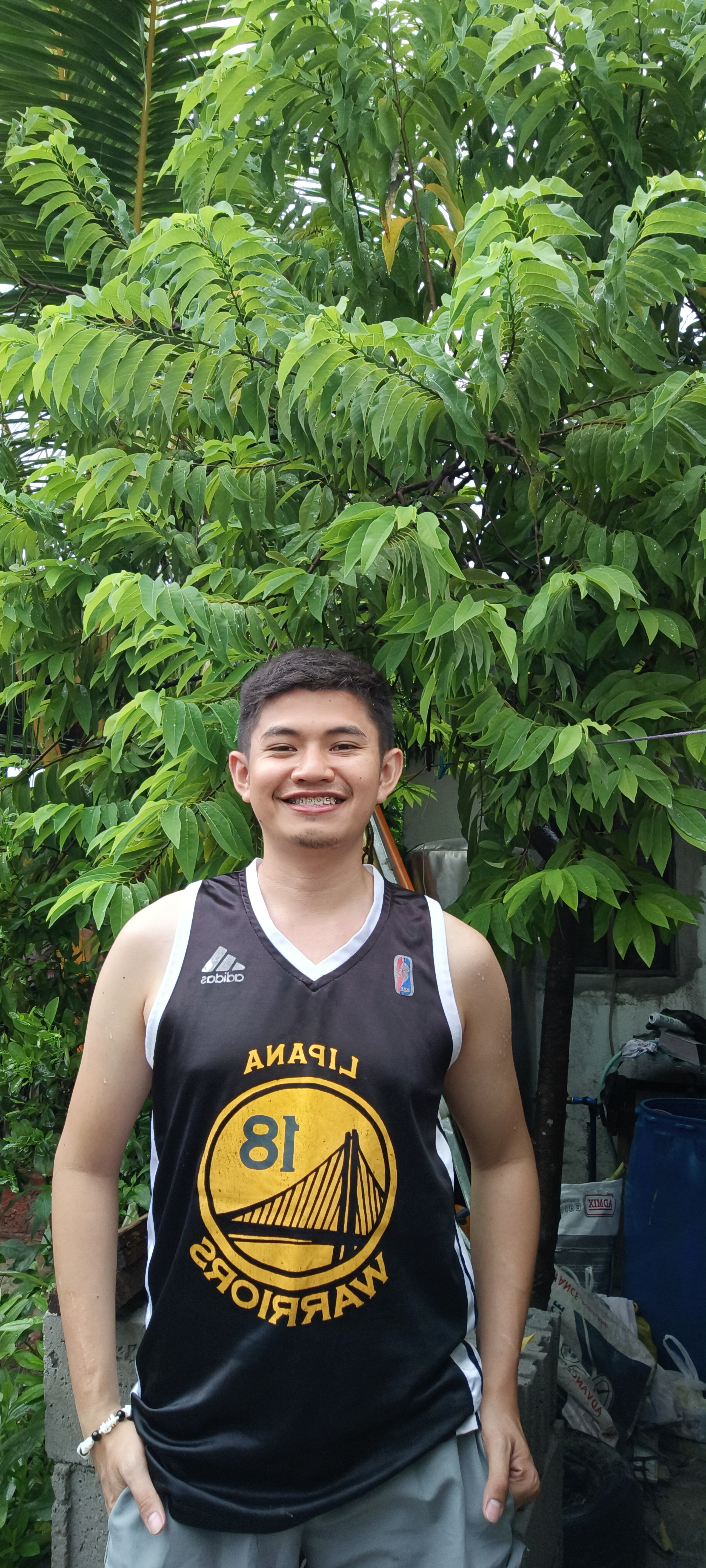
After the first harvest of fruits from his tree, Bernabe and his family discovered that their harvested fruits had a bitter taste, so instead of giving them to the community, they kept them.
After consuming all the fruits, the piles of seeds caught his attention. Bernabe told his mother that they can produce a larger amount of fruit when they plant and grow the seeds. When they started planting, they had approximately 150 seeds.
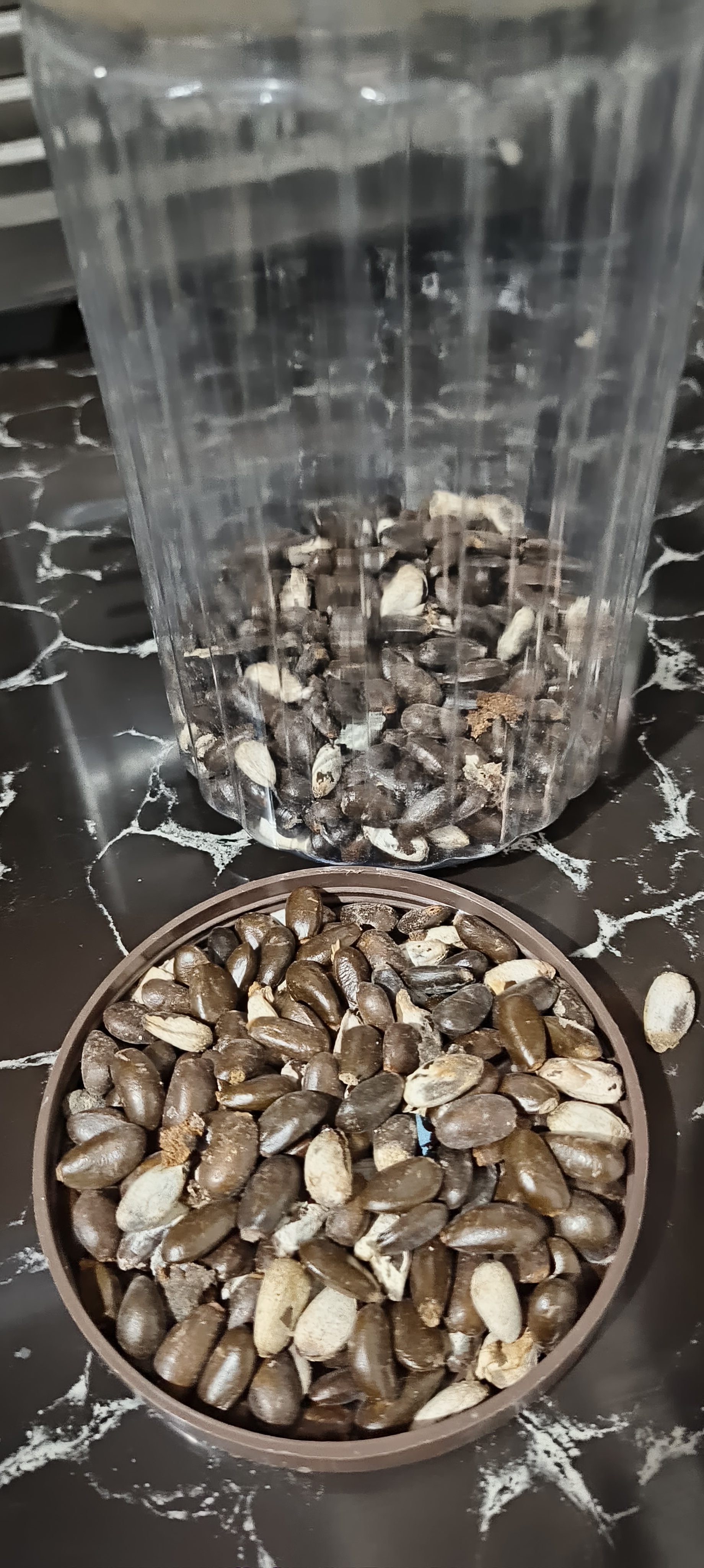
“We had a trial to plant and grow them,” Bernabe said. He said that it is critical to identify the right season for the cherimoya plants to grow. “We tried to plant the seeds during the summer season, but unfortunately the outcome was not good, and most of the seeds were not able to grow.”
So they immediately changed the season where they planted the seeds, and during the month of June they were able to grow them.
He said he could not commit to taking care of the plants full time since he was already employed, so his parents took on the responsibility of taking care of the seeds and growing them.
But Bernabe stated that during his free time, he goes to their small backyard and monitors the status of the saplings. Just like when he was still a scholar, the tasks he does are to water the plants and assure that there are no pests or insects. And when the plants grew to three to four inches, the next step was to place them in a plant bag.
He and his mother agreed that they would divide the expenses of growing the seeds in half. “My mother and I agreed that we would divide our expenses 50/50 since most of the resources are available in our house; we only need to provide seedling bags, which can be purchased at a low-cost,” Bernabe said.
Bernabe added that the expenses will not be a burden for him financially since he is already working and thanks to the One Tree, One Kid scholarship program that supported his education.
Seeing that the seeds they planted grew, his mother advised him that instead of waiting for years for them to turn into trees and bear fruits, “We donate the plants to our local government for the One Tree, One Kid scholarship program,” Bernabe said.
In June 2023, Bernabe and his mother delivered more than 120 cherimoya plants to their local government unit. The plants they donated were distributed to the new set of One Tree, One Kid scholars.
He vowed that their family will continue to donate their fruits and plants to the community; it is their way to pay back the benefits they received from their municipality as well as their way to help preserve the environment. He called this initiative the Atis Project.
A staff member from their local government unit reached out to them and reiterated that whenever they need any kind of support, their municipal mayor will be willing to help since they are now sharing and campaigning for the same advocacy for the environment.
Inspired and motivated are the words that Bernabe used to describe the One Tree, One Kid scholarship program. The initiative by their local government unit inspired him to study hard, and it also inspired him to love the environment and understand its value in our daily lives.
And now he is motivated to continue this drive to plant more and more trees and encourage not just the youth but the whole community to start planting and caring for the environment.
It was a fruitful journey for Bernabe.
Photo courtesy of Vince Christopher Bernabe