






 Philippines
National
Magsino eyes retooling of OFW medical repatriation assistance program
Philippines
National
Magsino eyes retooling of OFW medical repatriation assistance program
Magsino eyes retooling of OFW medical repatriation assistance program


At A Glance
- OFW Party-list Rep. Marissa Magsino is seeking an inquiry on the implementation of the Inter-agency Medical Repatriation Assistance Program (IMRAP) in a bid to make it up-to-date with the current challenges facing overseas Filipino workers (OFWs).
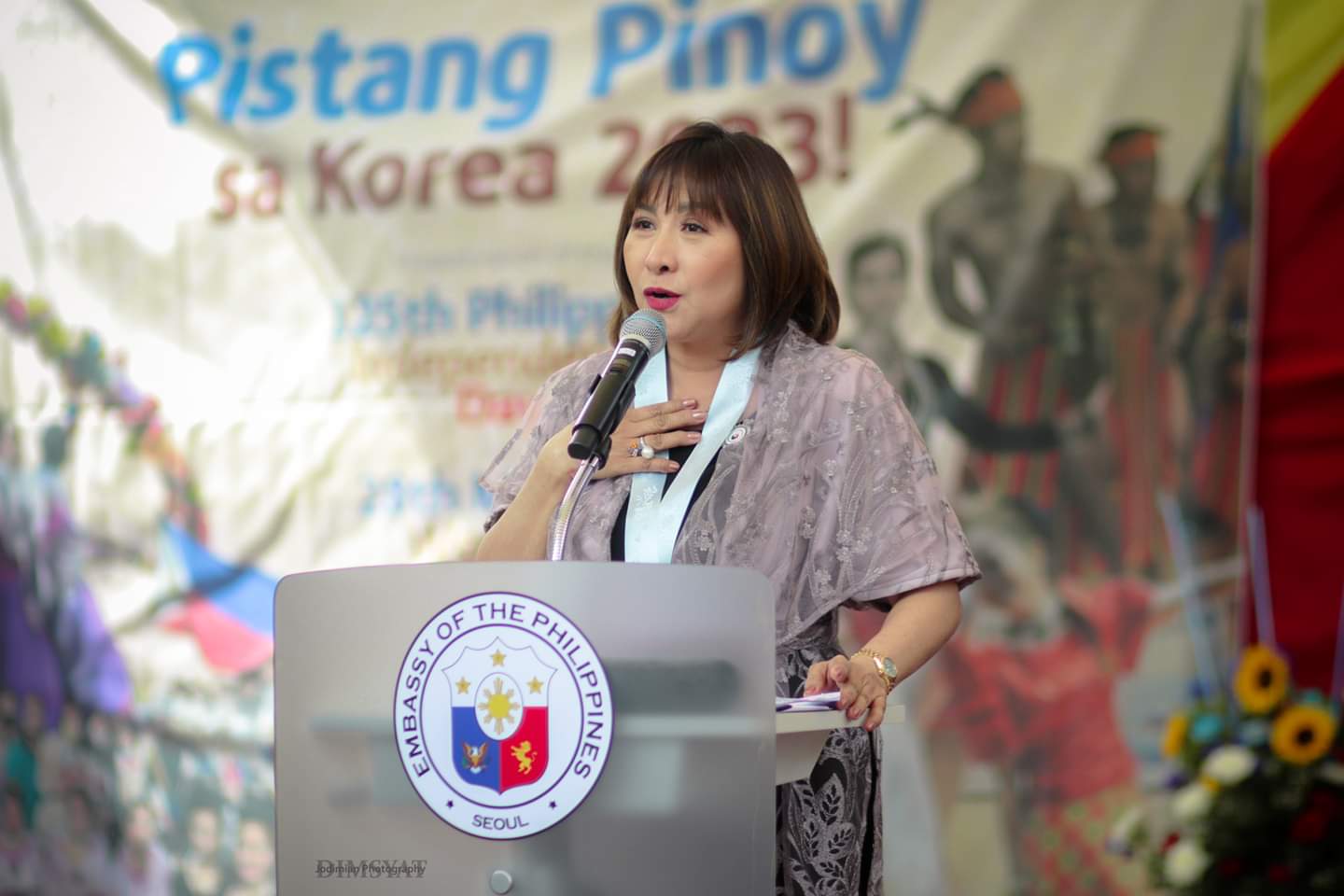 OFW Party-list Rep. Marissa "Del Mar" Magsino (Facebook)
OFW Party-list Rep. Marissa Magsino is seeking an inquiry on the implementation of the Inter-agency Medical Repatriation Assistance Program (IMRAP) in a bid to make it up-to-date with the current challenges facing overseas Filipino workers (OFWs).
“Maganda yung mekanismong nailatag, at nagamit ang IMRAP nang husto noong pandemya. Kaya lang may mga natutunan din tayo sa implementasyon nito at may mga pagbabago na simula 2017 kaya’t kailangan nang suriing muli at repasuhin ang JMC (Joint Memorandum Circular) 2017-0001,” said Magsino in a statement.
(The mechanism that was put in place was good, and IMRAP was used a lot during the pandemic. It's just that we have learned things from its implementation and there have been changes since 2017, so it is necessary to re-examine and review JMC 2017-0001.)
An inter-agency objective, the IMRAP established an integrated system and process flow on medical repatriation of overseas Filipinos and OFWs. It is aligned with the one-country-team-approach of the government.
Under Magsino's House Resolution (HR) No. 1373, an assessment of the program was requested to evaluate advancements seen in work settings abroad with health implications and to inspect changes observed during the pandemic.
“Una sa lahat, mayroon na tayong DMW (Department of Migrant Workers). Pangalawa, dahil sa malawak na saklaw ng programa pati ng bilang ng mga ahensyang kabahagi dito, baka kailangang palawigin ang programa upang maisama ang lahat ng klase ng assistance para sa mga repatriated OFWs, kahit hindi kaso ng medical repatriation,” the lawmaker said.
(First of all, we now have the DMW. Second, due to the wide scope of the program as well as the number of agencies participating in it, it may be necessary to expand the program to include all types of assistance for repatriated OFWs, even if it’s not medical repatriation.)
“These are the things that we want to look into during the inquiry,” she added.
Magsino also remarked on the resurgence in OFW deployment and the risk of occupational safety and health issues as reasons for retooling emergency medical repatriations.
The OFW solon is also looking to assess Department of Health (DOH) Department Order No. 2023-0003, which provides guidelines for the establishment of dedicated wards for OFWs in select DOH hospitals.
She noted that there were reports of missing dedicated wards in tertiary public hospitals, which forced OFWs to transfer to private hospitals amid unavailability of beds. Some OFWs are also said to have been forced to spend their own money for out-of-pocket healthcare expenses.
“Kaya’t kailangan natin masuri kung nasusunod yun dedicated wards para sa mga OFWs, lalo na para sa mga sumailalim ng repatriation. Ang kalusugan at kalagayan ng ating mga OFWs ay dapat nating gawing prayoridad, sapagkat sila ay nagsasakripisyo upang matulungan ang kanilang pamilya at ang ekonomiya ng ating bansa,” she said.
(That's why we need to inspect if the dedicated wards for OFWs are followed through, especially for those who have undergone repatriation. We should make the health and condition of our OFWs a priority because they sacrifice to help their families and the economy of our country.)
“Karapatan nila na makuha ang maayos na pangangalaga at suporta mula sa ating gobyerno sa mga oras na sila ay mayroong problema sa kanilang kalusugan,” Magsino added.
(They have the right to get proper care and support from our government during times when they have problems with their health.)