






 Lifestyle
Health and Wellness
Here's how you can transform your body—and with no surgery
Lifestyle
Health and Wellness
Here's how you can transform your body—and with no surgery
Here's how you can transform your body—and with no surgery
Introducing Argon Plasma Tightening


In today’s age, aesthetic advancements continue to push the boundaries of what is possible when it comes to transforming our bodies. One groundbreaking technique that is gaining popularity among those seeking age-defying and body contouring solutions is Argon Plasma Tightening. This innovative technology has captured the attention of many, offering a non-invasive approach to achieving tighter, firmer skin and a more sculpted physique.
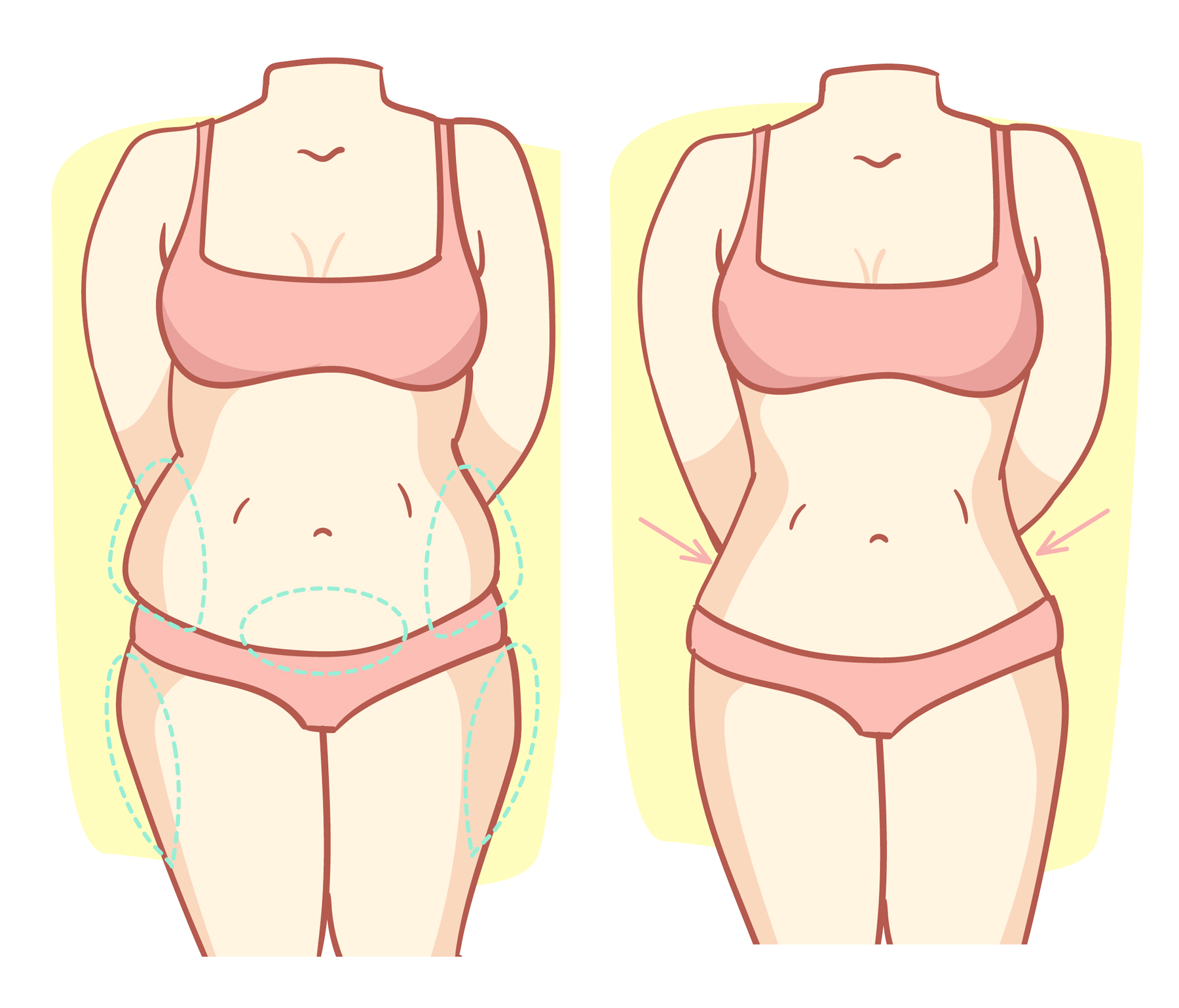
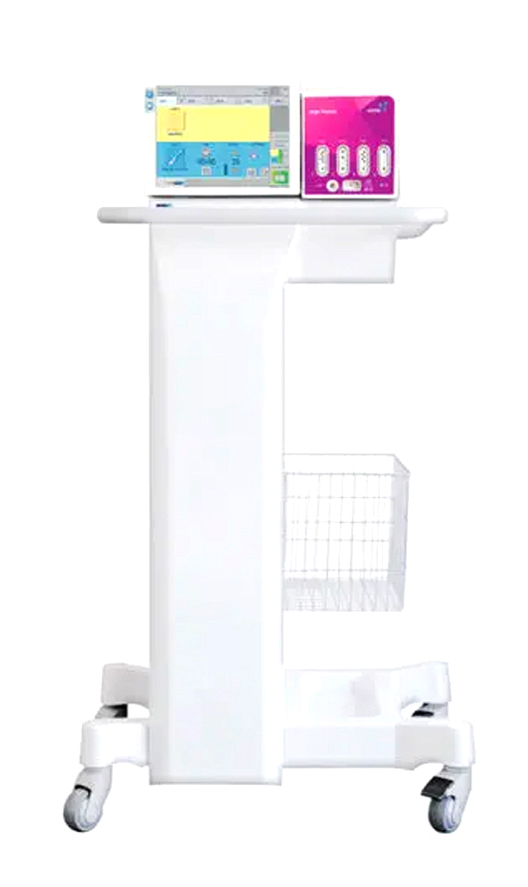
Argon Plasma Tightening is a scientific advancement that utilizes the unique properties of ionized argon gas to rejuvenate and revitalize the body. The procedure involves the careful application of thermal energy to the skin’s surface using a specialized device. The controlled heating of the treatment area stimulates the production of collagen and elastin, vital proteins that contribute to the skin’s youthful appearance and resilience.
Unlike traditional surgical options, Argon Plasma Tightening offers a non-invasive alternative with a shorter recovery period. This minimally invasive technique has gained fame due to its impressive results, which include skin tightening, wrinkle reduction, and even visible scar improvement. Furthermore, it is suitable for various body areas, such as the abdomen, arms, thighs, and buttocks.
The advantages of Argon Plasma Tightening extend far beyond its non-invasiveness. Here are some key benefits that have made this treatment highly sought after.
Exceptional skin tightening
Argon Plasma Tightening stimulates the body’s natural regenerative processes, promoting the production of collagen and elastin. As a result, the treated area experiences improved skin elasticity, reduced sagging, and smoother textural quality.
Enhanced body contouring
This innovative technique is not limited to skin tightening alone. Argon Plasma Tightening can sculpt and contour the body by reducing fat deposits and improving overall shape. By targeting specific areas, it gives individuals the opportunity to achieve their desired body aesthetics without resorting to surgery or invasive techniques.
Minimized downtime
For those with busy lifestyles, one attractive feature of Argon Plasma Tightening is the minimal downtime required. Compared to invasive procedures, recovery is relatively swift, with most individuals back to their routine within a few days. This convenience allows people to attain their desired results without drastic changes to their daily activities.
Versatility and precision
Argon Plasma Tightening can be customized to meet individual needs, making it a versatile solution. Each procedure is tailored precisely to the patient's specific goals, whether it is reducing stretch marks, erasing fine lines, or sculpting problem areas. The precision of the technique ensures that individuals gain the most from their treatment, maximizing their satisfaction.
But like most things, Argon Plasma Tightening may have potential side effects and complications. Argon Plasma Tightening may result in temporary redness, swelling, discomfort, or pain in the treated area. In rare cases, changes in skin pigmentation, such as darkening or lightening, blistering or burns, and scarring, can occur. These complications, however, are usually infrequent when the procedure is performed by a skilled practitioner following safety protocols. It is important to consult with a qualified professional who can assess your individual risk factors and provide personalized guidance to minimize the likelihood of adverse reactions. Adhering to proper aftercare instructions can also help optimize healing and reduce potential problems.
Argon Plasma Tightening differentiates itself from laser-based treatments by utilizing ionized argon gas instead of laser energy. While both techniques aim to tighten the skin and achieve body sculpting, Argon Plasma Tightening provides precise and controlled heating of the target area, resulting in consistent and reliable results. It can also address a wider range of body areas compared to certain laser treatments. In terms of differentiation with cryolipolysis that target fat reduction, Argon Plasma Tightening addresses both skin laxity and fat reduction, making it a more comprehensive treatment. By stimulating collagen and elastin production, it offers skin tightening benefits alongside body contouring.
This new technology represents a remarkable leap forward in the world of non-invasive body transformation. Offering impressive skin tightening and contouring results without the need for surgery, this technique has captured the imagination of those seeking both youthful rejuvenation and sculpted physiques.
As this innovative technology continues to gain recognition, it is essential for individuals interested in aesthetic enhancements to consult licensed and experienced professionals who can provide an accurate assessment and guide them through the journey.
So, whether you desire firmer skin, a shapelier physique, or a boost in overall confidence, consider exploring the realm of Argon Plasma Tightening, a new frontier of safe, effective, and minimally invasive treatments that can help you achieve your body transformation goals.