







More on microinsurance MBAs' best practices


FROM THE MARGINS
I had the privilege of joining the Microinsurance MBAs Association of the Philippines (MiMAP) in meeting Insurance Commissioner Reynaldo Regalado last Sept. 21. We were very encouraged to hear the good Commissioner’s support of microinsurance and financial inclusion. We had a fruitful discussion, and went as far as lining-up activities to promote insurance literacy and raise the public’s awareness of microinsurance and its socio-economic benefits. This is also in line with Proclamation No. 1059, s.1997, which declares the first week of October every year as “Life Insurance Consciousness Week.”
Apart from partnering with the Insurance Commission (IC) to promote microinsurance and insurance literacy, MiMAP plans to work with DSWD towards insuring the beneficiaries of the Pantawid Pamilyang Pilipino Program. Hopefully, this could be launched by November in time for the annual “Social Welfare Week” celebration. Sharia-compliant insurance like microtakaful - a viable means of risk protection to poor Muslim communities in Mindanao was also highlighted in MiMAP’s dialogue with IC.
For the poor
The poor need insurance the most. They are the most vulnerable and least equipped to recover from shocks such as illness, death, natural disasters, and other unforeseen events. Many of them are also financially-excluded, with little access to funds for livelihood, education and other activities that could lift them out of poverty. Luckily, more microfinance institutions (MFIs) in the country are now partnering with mutual benefit associations (MBAs) to offer microinsurance products alongside microfinance loans, savings and other financial services to low-income sectors. They provide safety nets so that poor people will not spiral deeper into poverty when disasters happen.
Liza Ganabol, 44, is a tricycle driver from Pola, Oriental Mindoro. Her husband was diagnosed with diabetes in 2001 and Liza became the family breadwinner. She supported his medical expenses and their children’s education by driving his tricycle and working in rice fields. His demise in 2021 could have had a catastrophic impact in the family had Liza not been an MFI member automatically enrolled in their MBA. Liza received ₱70,000 microinsurance benefit, which helped her family start over. She was able to settle all burial expenses, her children’s tuition fees and the debts accumulated during her husband’s illness.
Liza’s case is not unique. In the meeting with IC, MiMAP Executive Director Junjay Perez reported that as of June 2023, their member-MBAs registered an average of 257 deaths per day and paid almost ₱9 million death benefits on a daily basis. Microinsurance MBAs provide an important service since, in the past, poor families have no other option but to seek the help of local government units for their loved ones’ burial expenses. Microinsurance cushions the economic impact of death in the family – the easy documentation and fast-processing of claims ensure that they get their benefits and need not be hostage to political patronage or borrow from relatives or money lenders.
Microfinance clients value microinsurance as an easy and affordable safety net in time of need. Not surprisingly, the offer of microinsurance benefits is helping many MFIs expand and reach more clients.
Best practices
In last week’s article, I mentioned some microinsurance best practices, like strengthening the symbiotic relationship between MFIs and MBAs, meeting regulatory requirements and offering client-responsive microinsurance products. Let me add more practices that MBAs could adopt to provide good service to members while ensuring sustainability:
1. Strong servant-leadership. The officers, especially the president, must be carefully selected to ensure that they embody the MBA’s vision and mission. They must be competent, able to represent their organization and push their advocacies. They must always be focused on promoting the members’ interests and welfare.
MBA members should elect their board with maximum three-year-terms. Re-election for another term is not encouraged to avoid leadership monopoly. Leadership rotation is important for the development of new leaders in the membership.
2. Presence of independent board members. Having independent Board members is required by IC as part of good corporate practice for insurance organizations. Ideally, they should be professionals experienced in the field of insurance/microinsurance, finance and accounting, microinsurance product development/marketing and other relevant fields. But ensuring their commitment to the MBA’s developmental mission is crucial. From my experience, it is prudent to invite them as board observers first, so they can experience first-hand how MBAs work (especially in the field) and also to enable the members to see if they will maintain the principle of stewardship and lack of self-interest in their dealings with the MBA.
3. Actuarial assessment. All microinsurance products should undergo careful study by an actuary (employed in-house or outsourced), to ensure sustainability and financially viability.
I will continue this discussion next week, hoping that these experienced-based nuggets of wisdom could help strengthen new MBAs towards becoming agents of change in areas where they operate. After all, insurance expert Philippe de Longueville is correct when he said: “Mutual microinsurance plays a significant role in building resilience in low-income communities.”
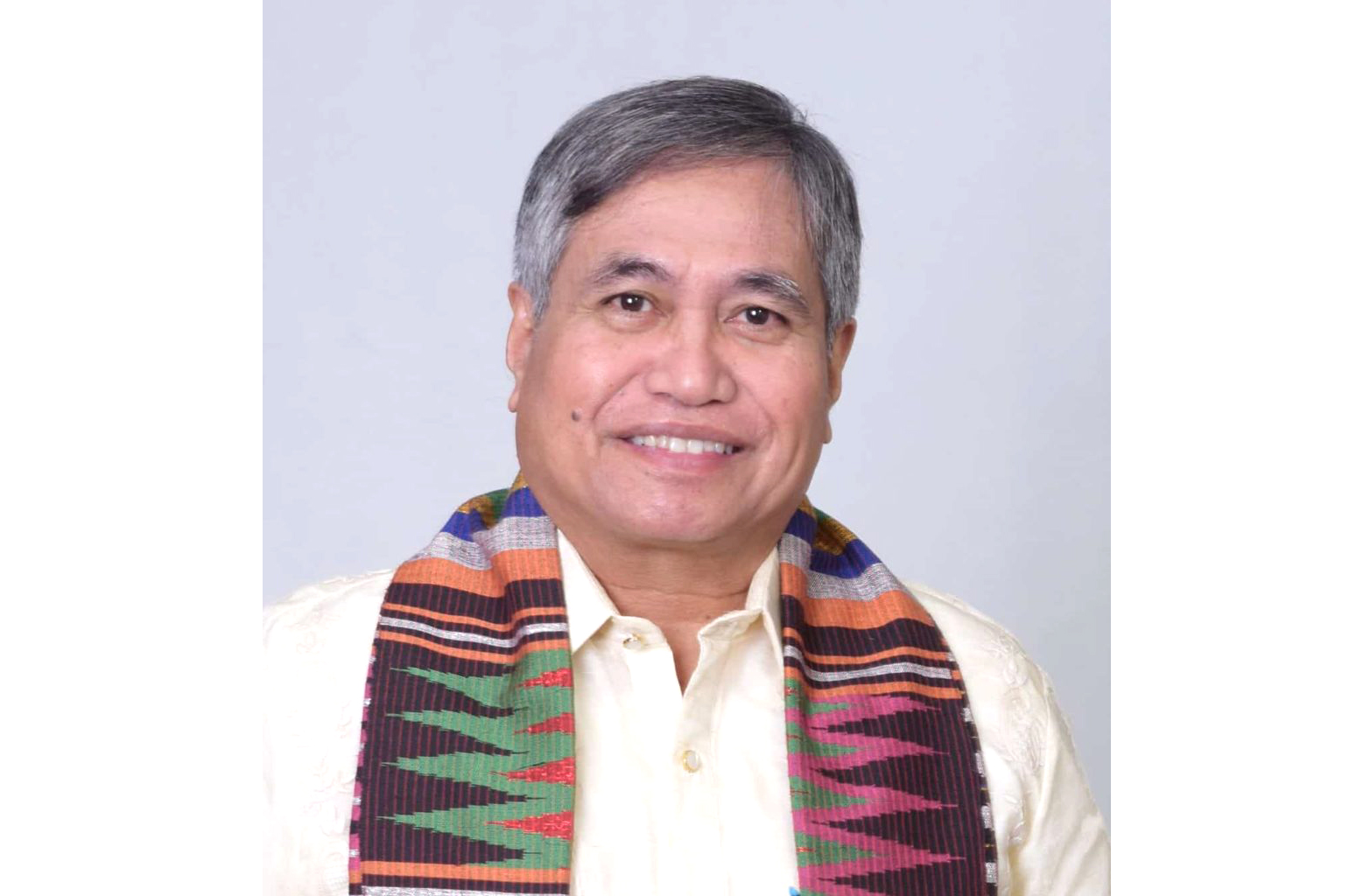
(Dr. Jaime Aristotle B. Alip is a poverty eradication advocate. He is the founder of the Center for Agriculture and Rural Development Mutually-Reinforcing Institutions (CARD MRI), a group of 23 organizations that provide social development services to eight million economically-disadvantaged Filipinos and insure more than 27 million nationwide.)