







Young Farmers From Asia Pacific Unite in Mt. Makiling
Cultivating the future of agriculture at the 1st Asia-Pacific Young Farmers Camp and Agrilympics


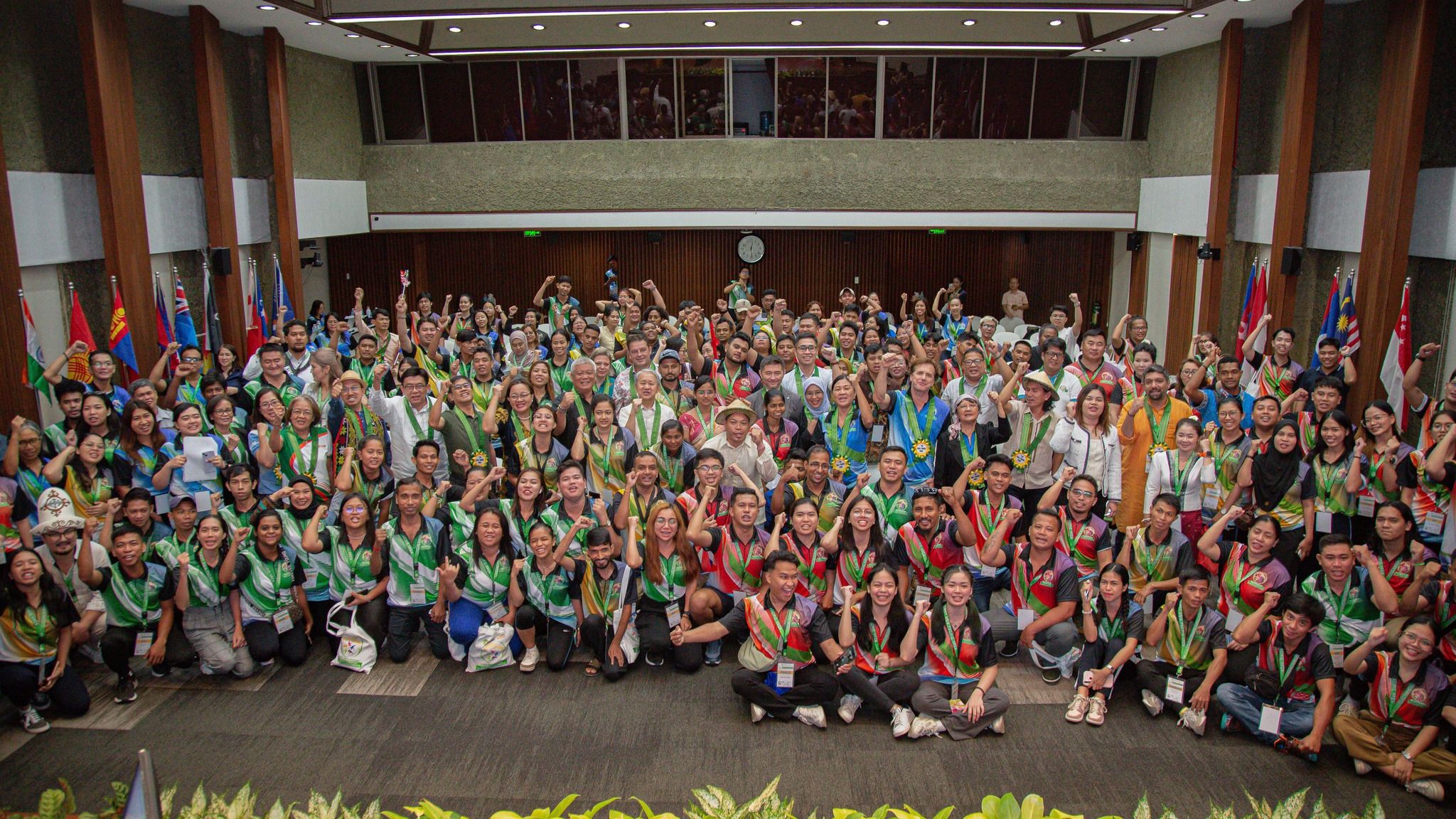
The BP International Hotel in Mt. Makiling came alive with vibrant energy as 120 young farmers, fishers, pastoralists, and forest-users from 20 countries across Asia and the Pacific gathered for the inaugural Asia-Pacific Young Farmers Camp and Agrilympics (YFCA).
Held from August 12-16, 2024, the event, the first of its kind, sought to address one of the most pressing challenges of our time: the future of agriculture in the face of climate change, an aging farming population, and diminishing interest in farming among the youth.
The event highlighted the need for food security and sustainability, and the crucial role young people play as a crucial force for innovation and resilience. The United Nations reports that 1.8 billion young people, the largest generation of youth in history, are poised to enter the workforce. Their choices will shape the future of all industries, particularly agriculture.
Yet, for decades, rural youth have been neglected by their communities and governments, leading to unemployment, underemployment, and migration to urban areas. Those who remain on farms often do so out of necessity, not choice. This has resulted in an aging farming population, a phenomenon that is not just local to Asia but a global issue. Experts warn of a critical shortage of farmers within the next decade, threatening food sufficiency and agricultural sustainability.
Against this backdrop, the YFCA emerged as a call to action. Organized by the Asian Farmers’ Association for Sustainable Rural Development (AFA), the International Cooperative Alliance-Asia Pacific (ICA-AP), and the Pacific Farmers Organisation (PFO), the event aimed to create an enabling environment for young people to actively engage in agriculture.
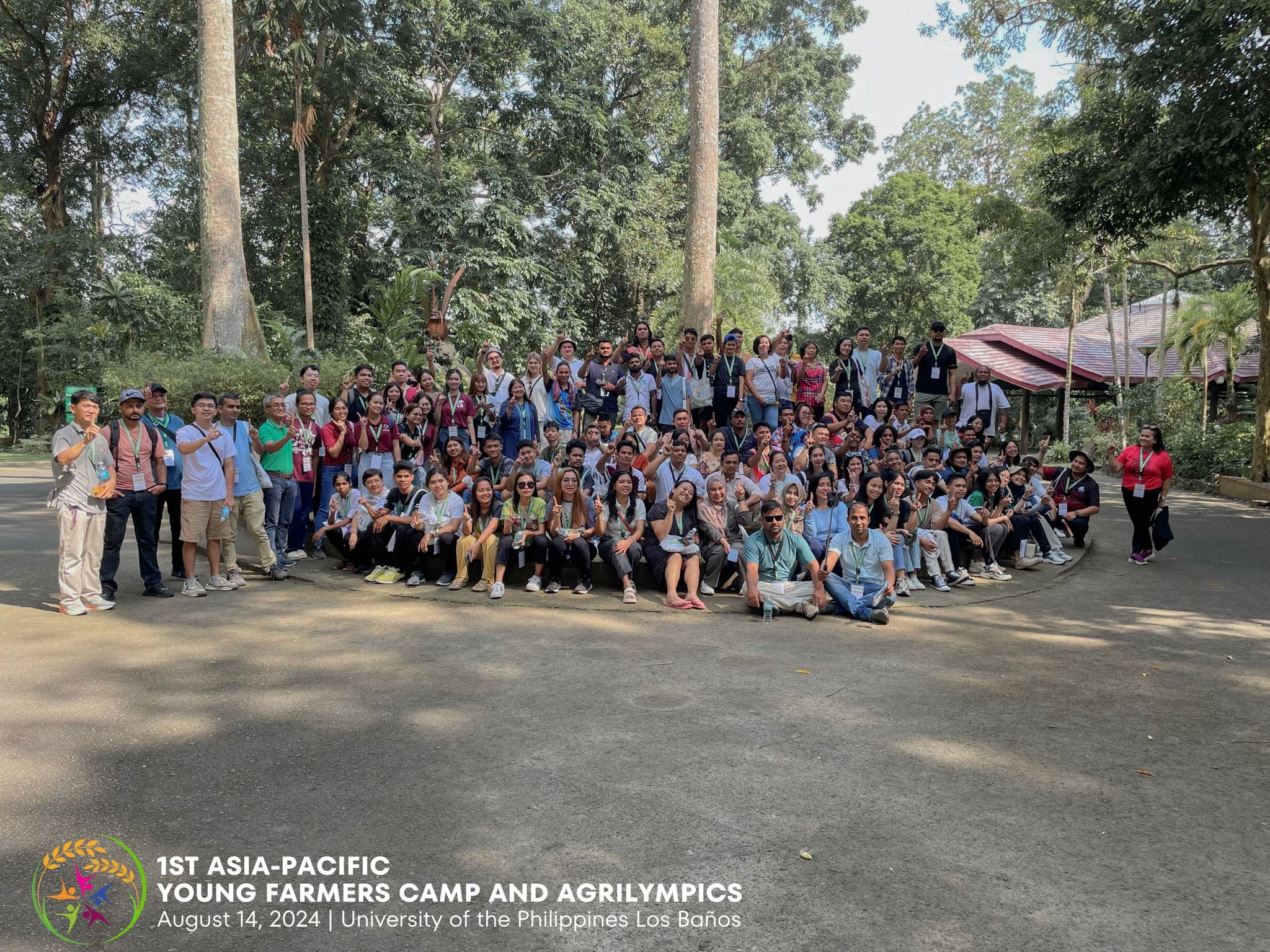
The camp’s theme, “Strengthening Engagement of Young Farmers in Cooperatives and Organizations to Contribute to Safe, Just, and Resilient Food Communities,” underscored the urgent need to inspire and empower the next generation of agricultural leaders.
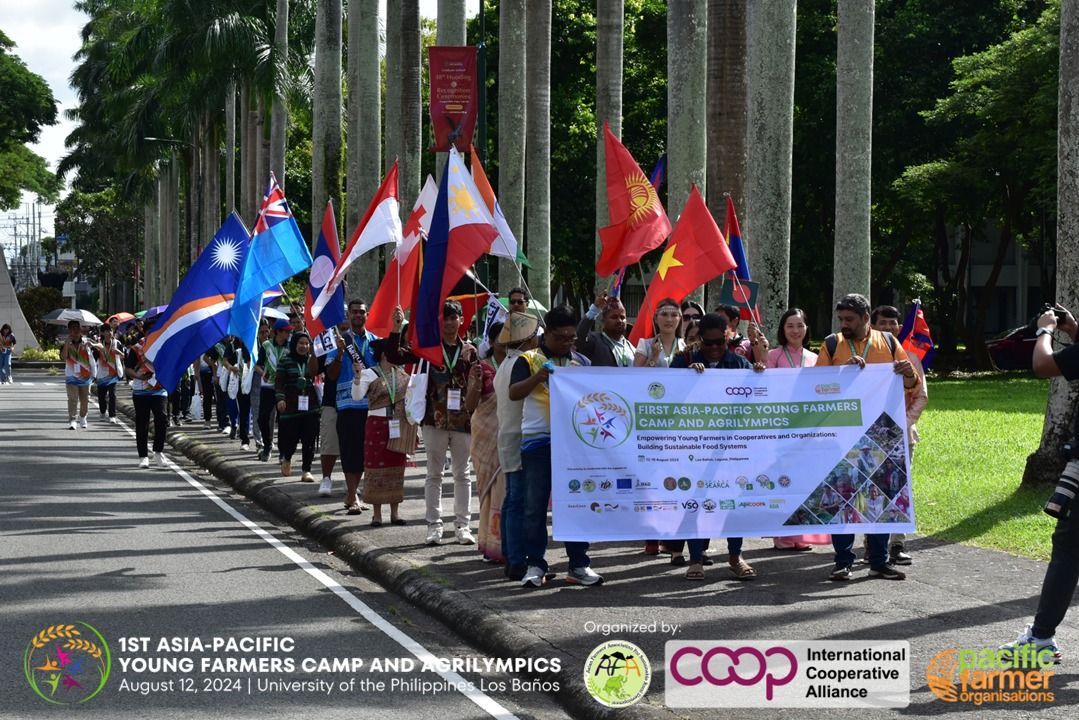
The week-long event kicked off with a Parade of Nations, a colorful celebration of the diversity and unity among the young farmers from across Asia-Pacific. The lighting of the cauldron, reminiscent of the Olympic Games, marked the official opening of the camp and set the stage for a week of rigorous and enlightening activities.
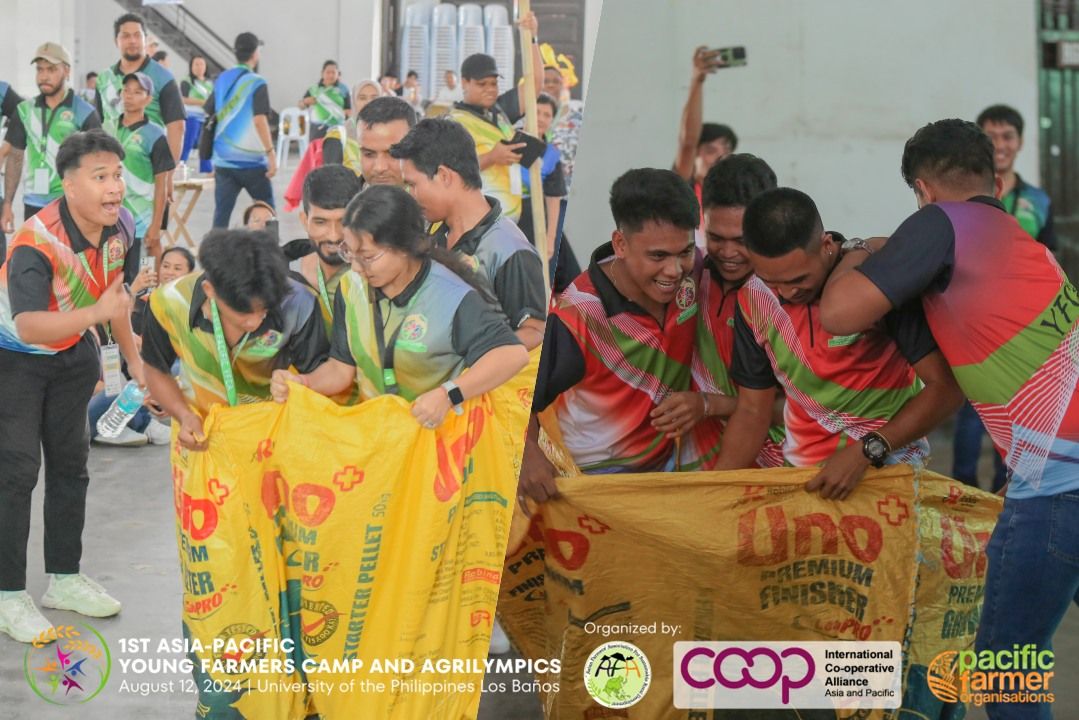
One of the highlights was the Agrilympics, where participants engaged in a series of games that cleverly incorporated agricultural themes, from planting challenges to soil testing competitions. These activities not only fostered camaraderie but also emphasized the practical and innovative aspects of farming.
In addition to the games, the YFCA featured hands-on workshops on topics critical to the future of agriculture. Participants delved into digital agriculture, learning about the latest technologies that could revolutionize farming practices. They also explored forestry management and organic farming, gaining insights into how these practices can contribute to more sustainable and climate-resilient agriculture.
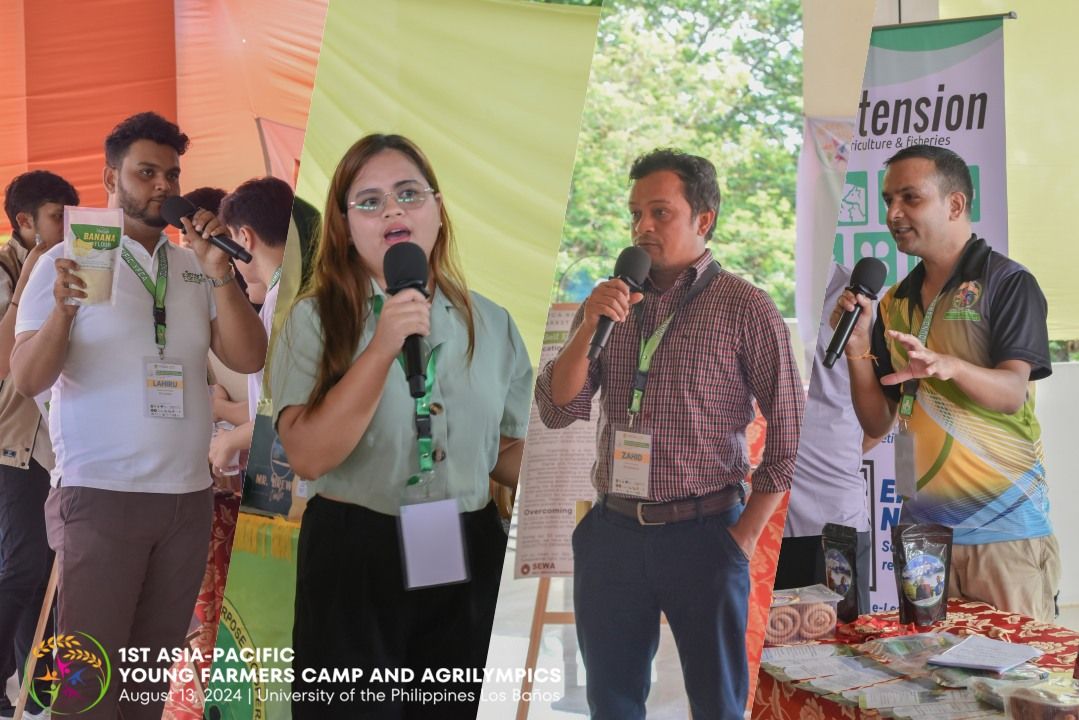
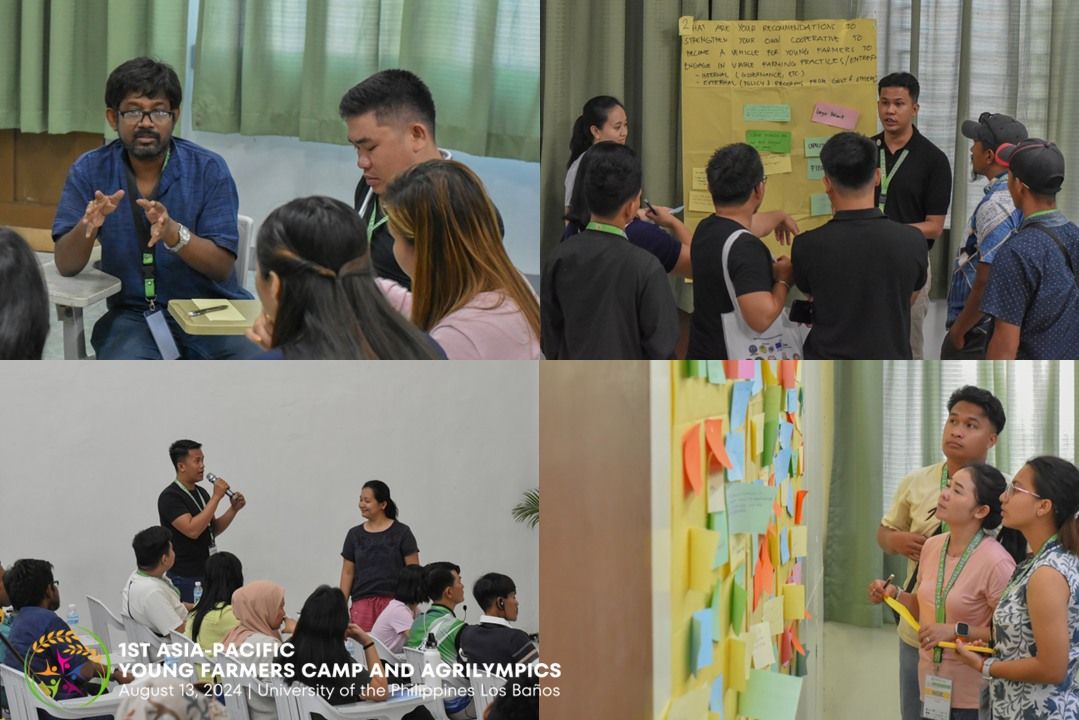
A particularly impactful session was the Youth Talks forum and Buzz Groups, where participants discussed the role of cooperatives as a viable model for agricultural development. The importance of institutionalizing young farmers’ engagement in governance and decision-making processes was a recurring theme, as was the potential of agroecology to serve as a pathway to sustainable and climate-resilient agriculture.
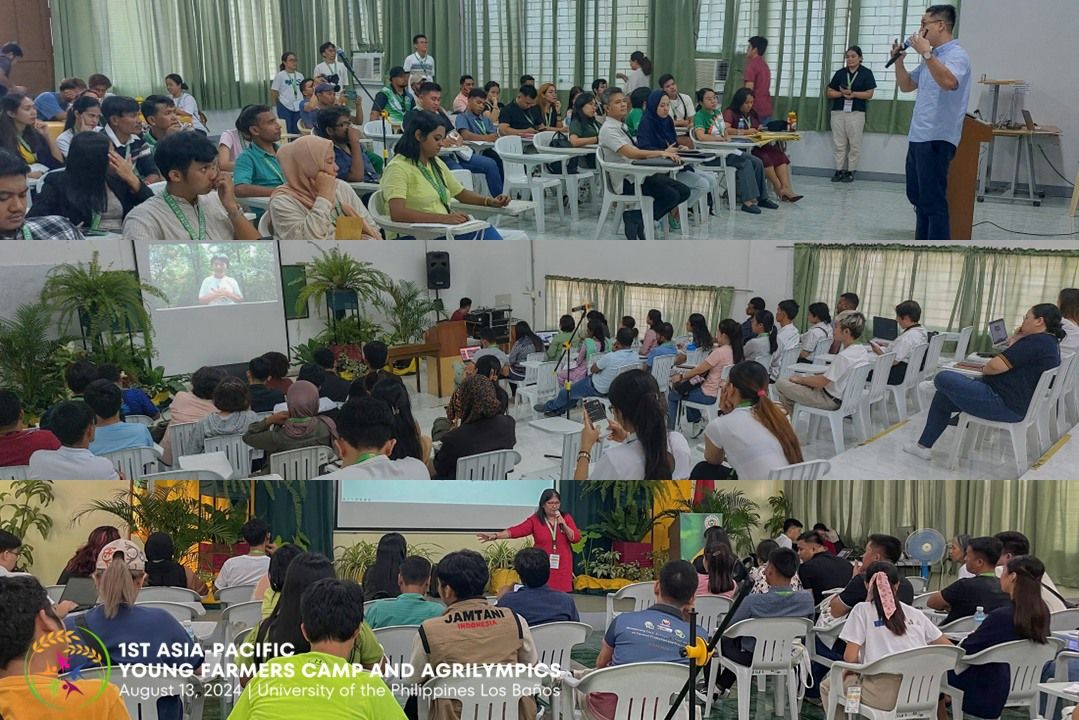
The impact of climate change on agriculture was a central focus of the YFCA. Through a series of talks and video presentations, participants learned about the devastating effects of disasters and climate change on food security. The urgency of building climate resilience within farming communities was underscored in group activities designed to foster a deeper understanding of the challenges ahead.
One of the standout moments of the camp was the appearance of Jon Jon Sarmiento, a climate activist, farmer, and agroecology practitioner. Sarmiento shared his experiences and insights on how agroecology can be a powerful tool in combating climate change while promoting sustainable farming practices.
Meanwhile, recognizing that effective communication is key to advocacy and agribusiness, the YFCA included a session on storytelling and communication. Participants had the opportunity to visit the DZLB and TV studios, where they learned how to craft compelling narratives that can drive change and influence public perception of agriculture.
They also explored the potential of digital platforms through the Agriculture Training Institute’s Digital Farmers Program, which aims to bridge the digital divide and empower farmers with the tools they need to succeed in the modern world.
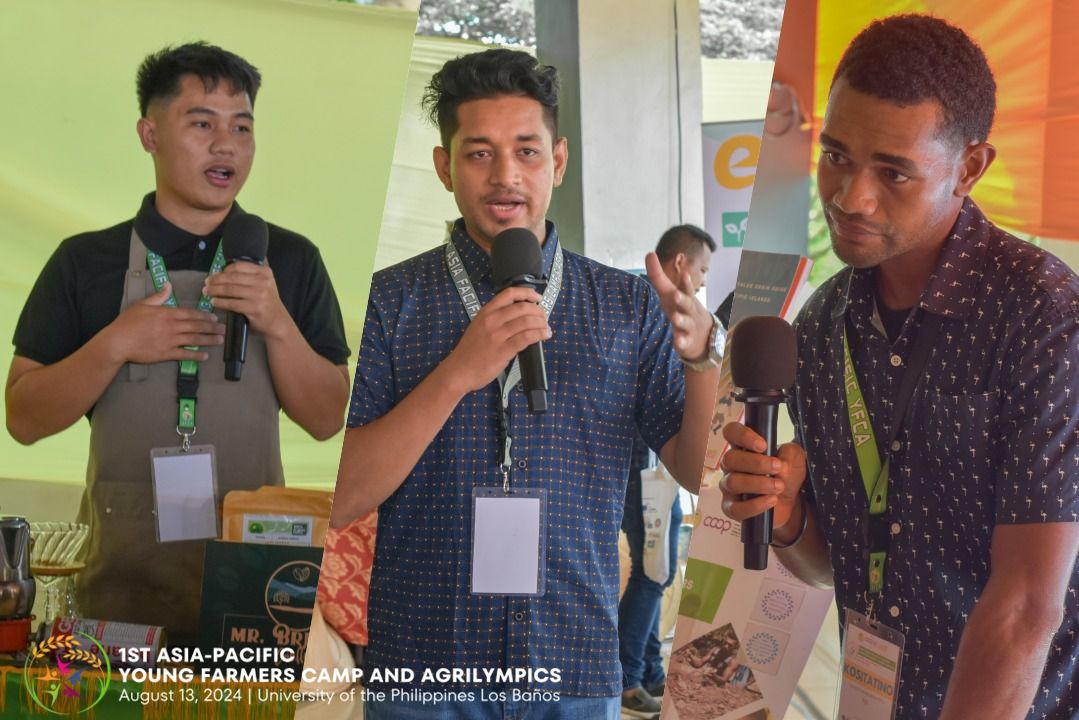
The YFCA also served as a platform for young farmer entrepreneurs to showcase their innovations and pitch their ideas for agricultural development. Among the inspiring stories was that of Loeut Nary from Cambodia, who has built a thriving mushroom production business through the Kanteut II Samaki Banan Meanchey Agricultural Cooperative. Nary’s story is a testament to how young people can innovate and drive change in agriculture.
Another remarkable participant was Sory Channath, also from Cambodia, who has successfully engaged in poultry farming through the Cheap Santhe Pheap Satrey Khlahan Agricultural Cooperative. Channath’s business acumen and dedication to sustainable practices have made her a role model for young farmers in her community.
From Kyrgyzstan, Madina Karmysheva shared her experiences in agroforestry through the Kyrgyz Association of Forest and Land Users (KAFLU). Her work in integrating forestry with agriculture has not only contributed to environmental sustainability but also provided a viable livelihood for her community.
The Philippines was well-represented by Princess Rhya Ballon, who has made significant strides in seaweed farming and oyster sauce production through the Kapunungan sa Gagmayng Mangingisda sa Concepcion (KAGMAFICO). Ballon’s innovative approach to aquaculture has opened new markets and opportunities for coastal communities.
As the YFCA draws to a close on August 16, the participants reflect on the lessons learned and the networks built over the course of the week. The event’s closing ceremonies will be graced by esteemed guests, including Dir. Remelyn Recoter of the Department of Agriculture-Agriculture Training Institute (DA-ATI), Esther Penunia of AFA, and Losalini Qiolevu of PFO, among others.
The formation of a young farmers’ organization network in Asia and the Pacific will be a key outcome of the YFCA, marking the beginning of a new era of collaboration and innovation in agriculture. As these young leaders return to their respective countries, they carry with them the knowledge, skills, and inspiration needed to secure the future of farming.