







Hybrid vs Mild Hybrid
Which ones are actually coding exempted?
By Inigo Roces


There’s never been a more interesting time to consider the shift to electrified vehicles. Just this year, we’ve seen nearly every automotive brand introduce either a new hybrid or full electric model. In addition, new laws and many property developers have made it more appealing to own one.
The recently-passed Electric Vehicle Industry Development Act (EVIDA) law offers number coding exemption to hybrids and electric vehicles to encourage their adoption. Many malls and fuel stations have recently set up EV charging stations to ease worries about battery range anxiety. Finally, getting an electrified vehicle that uses less if not zero fossil fuel further eases worries about the fluctuating price of fuel.
While the sheer amount of choices may seem encouraging, there’s still a clear distinction many car buyers need to be aware of before making that purchase. After all, not all hybrids are exempt from coding nor may they all reap the benefits of faster and discounted registration.
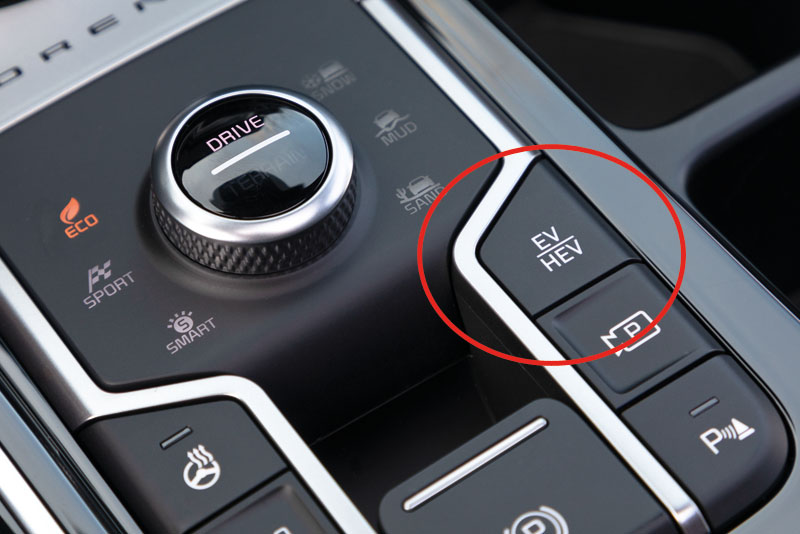
While they may all carry that “hybrid” badge, they don’t all work in the same way. And thus, won’t all be exempted from number coding. In fact, the Department of Energy recently published a list of the electrified vehicles that are exempted from the UVVRP or number coding scheme. The list does not include any mild hybrid electric vehicles (MHEVs). The reasoning is that they are not capable of propelling the vehicle on electric power independently. We’ll explain why this distinction is important.
3 kinds of hybrids
Hybrid vehicles themselves are split into three subcategories: mild-hybrids (MHEV), full hybrids (HEV), and plug-in hybrids (PHEV). Hybrid vehicles, as the name suggests, use a hybrid combination of combustion and electric motors. The internal combustion engine (ICE) is usually a gasoline-burning engine like a normal car, made to work in tandem with an electric motor powered by a battery.
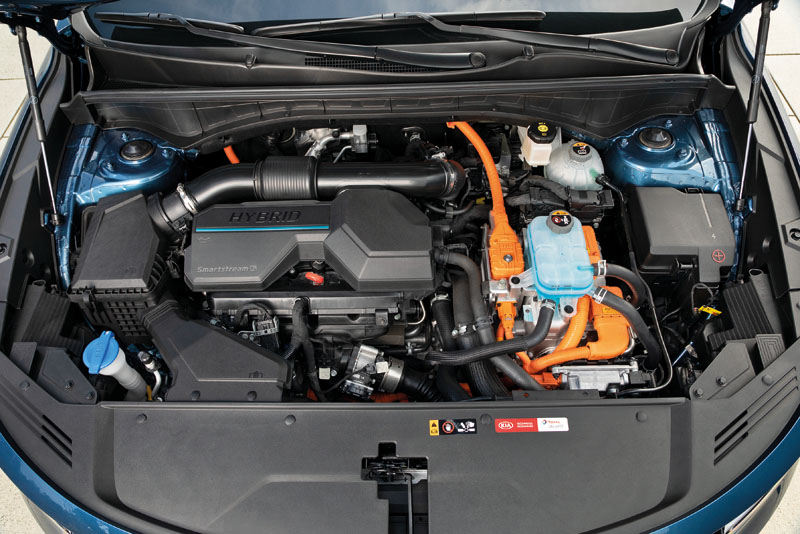
Due to the need to have two power sources on board, they’re usually fitted with a smaller combustion engine than usual, and a smaller battery than a fully electric vehicle. All the kinds of hybrids will have this kind of setup. The main difference is how much electric power they can produce and recharge.
Mild Hybrid
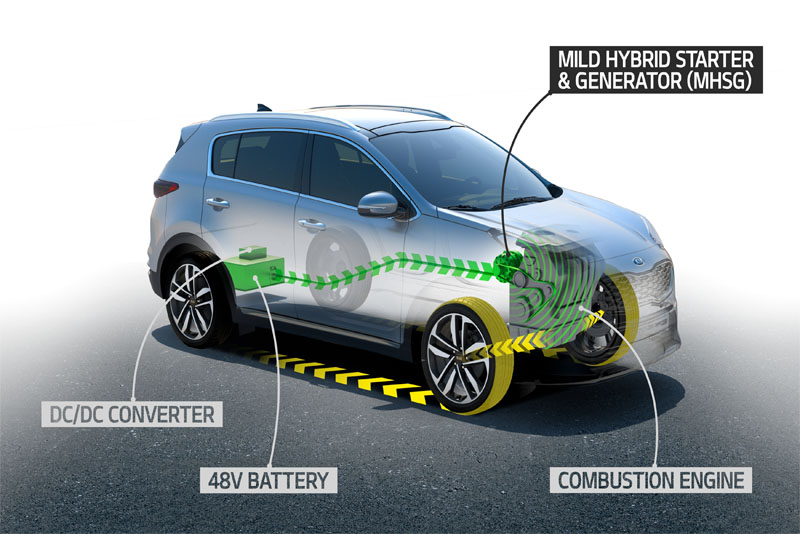
In a mild hybrid, these two power sources work in tandem. The gasoline engine may work independently, however, the electric motor cannot. The gasoline engine can even shut off when idling in traffic while still keeping the aircon on. This is why they’re called mild-hybrids. The electric motor is merely there to assist the gasoline engine or operate some of the vehicle’s functions like lights, air conditioning, or entertainment when the engine is off. However, the electric motor cannot propel the vehicle on its own power. As such, it will not have a pure electric mode, wherein the gasoline engine is off while the car is moving forward.
Examples of mild hybrids are vehicles like the very popular Geely Okavango, Suzuki Ertiga Hybrid, Chery Tiggo 5X Pro Hybrid, Mazda 3 M Hybrid, or Volvo XC90 B6. They may have hybrid in their name, but because they do not have a pure electric mode, they cannot be classified as full hybrids. This is not to say mild-hybrids are bad. In fact, they're still more fuel-efficient and produce less emissions than a regular combustion vehicle. Mild hybrids are perfect for those that still don't quite have enough faith in cars that use electric power. They're a great introduction to the new technology because they still rely on the gasoline engine for majority of their operations.
Bear in mind that these mild hybrids, while definitely fuel efficient, cannot enjoy the perks and incentives the government has provided. These are not coding exempted, nor will they be allowed to park in designated EV parking spots.
Full Hybrid (HEV)

Full hybrids (hybrid electric vehicles, HEVs) are vehicles that allow these two power sources to work in tandem or independently. The switch between fuel and electric usually happens automatically, however some allow you to switch modes manually if there is enough charge in the battery. Hybrids can usually go farther than conventional cars thanks to the mix of both power sources. Of course, the only downside is the reduced cargo space due to the need for space for the batteries. They also still produce emissions because of the engine. Nonetheless, they’re seen as the ideal choice for buyers looking into their first electrified vehicle. Their full electric modes give a preview of what driving a battery electric vehicle is like. The presence of a gas engine however can ease worries of battery range while our charging station network is still growing. Finally, those that want to take full advantage of the coding exemption can enjoy them with these cars.
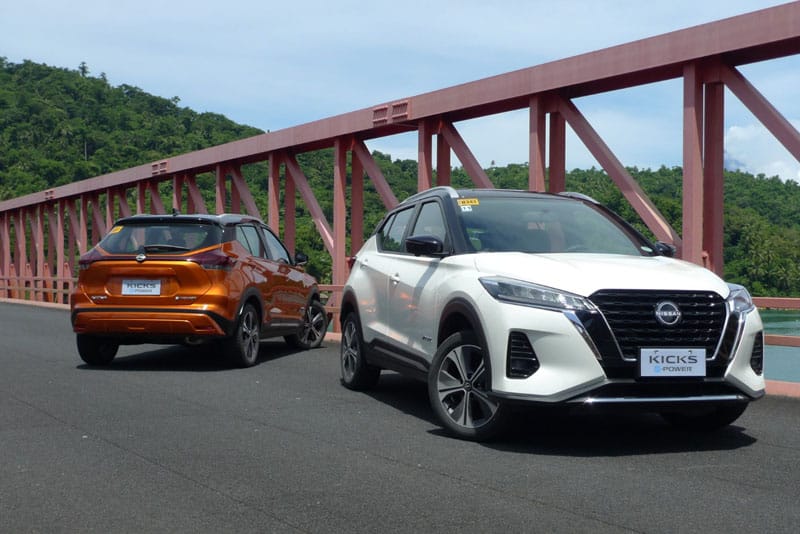
Examples of full hybrids are vehicles like the Toyota Corolla Cross Hybrid (V or GR grade only), Toyota Zenix Hybrid (Q grade only), Toyota RAV4 Hybrid (all variants), Nissan Kicks e-Power (all variants), Lexus NX350h, and Haval Jolion HEV. Thankfully, these vehicles are true-blue hybrids because of their ability to run on pure electric power when there’s enough battery.
These full hybrids, without question, are the vehicles the government incentives were designed for. They are coding exempted, and can benefit from faster and discounted registration. Unfortunately, because they do not recharge with a power socket, they are not allowed to park in designated EV parking spots.
Plug-in Hybrid Electric Vehicle (PHEV)
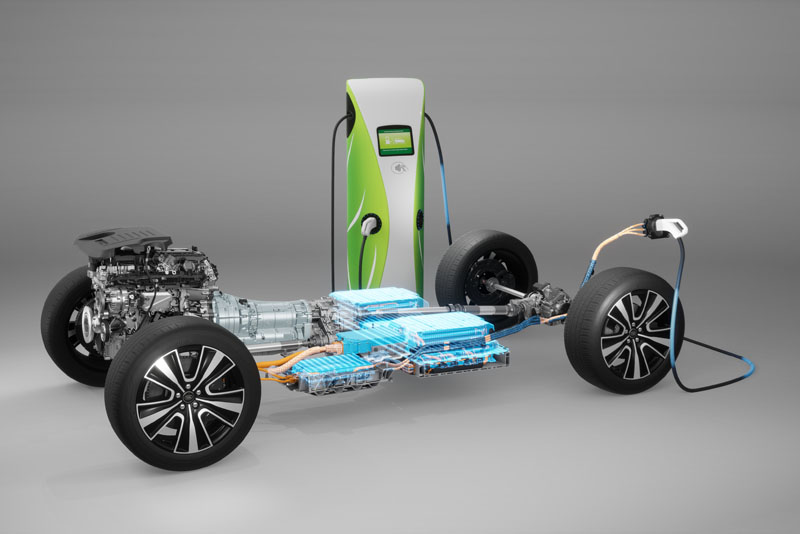
The next kind of hybrid is the Plug-in Hybrid Electric Vehicle (PHEV). These vehicles are like hybrids with one key difference: the ability to plug-in the batteries and charge them. PHEVs can be plugged into a wall outlet or a charging station. This allows the driver to charge up the electric batteries and use their built-in electric vehicle mode without starting the combustion engine. They’re perfect for commuting as the first few kilometers can be driven without emissions. The engine then takes over when the battery runs out. These are typically a little more expensive than HEVs due to the plug-in function. Nonetheless, they’re also closer to battery electric vehicles (BEVs) because of the larger battery and longer electric range.

Typically, these kinds of hybrids will have ‘PHEV’ in their name because of the special plug-in function. Examples of PHEVs are the Mitsubishi Outlander PHEV, Chery Tiggo 8 Pro PHEV, Ranger Rover P400e, Jetour Dashing PHEV (coming soon), and BYD Song Plus PHEV (coming soon).
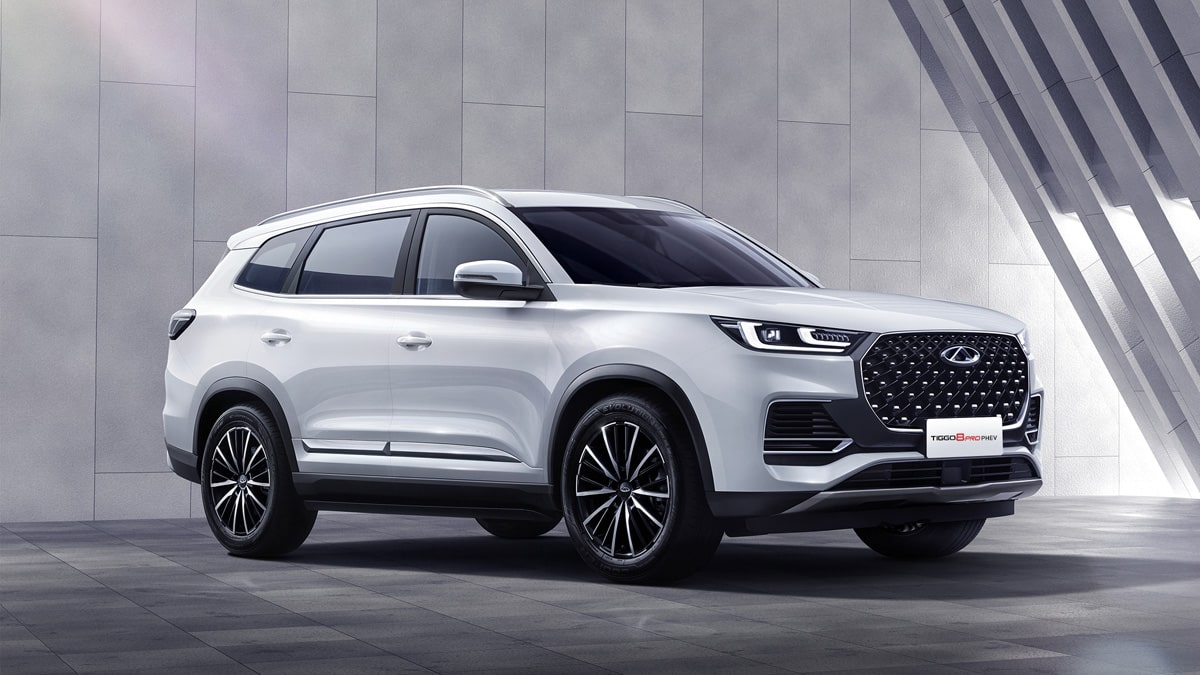
Because these PHEVs also have full electric modes, they can enjoy the government incentives for electrified vehicles. They are coding exempted, and can benefit from faster and discounted registration. The final benefit is that, because they can recharge with a power outlet or fast charger, they are allowed to park in designated EV parking spots.
Learning the difference
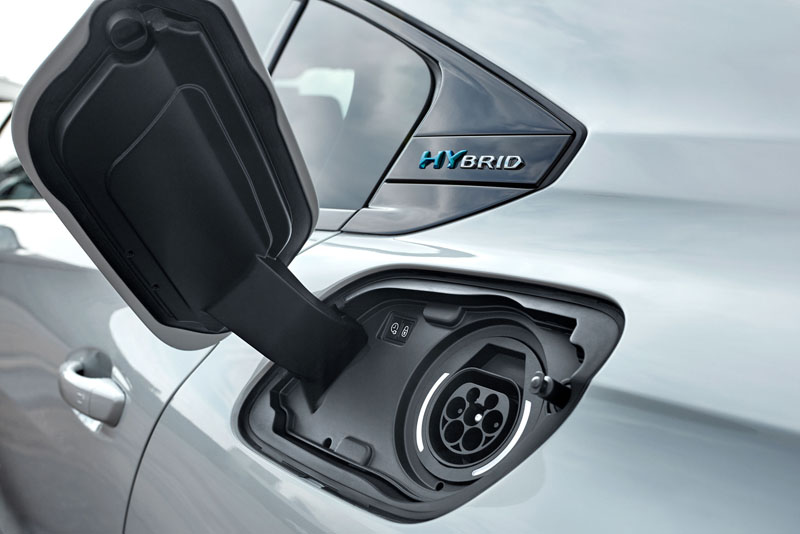
Learning the differences between these kinds of hybrids may seem confusing at first, but it gets easier the more you know what to look for. When shopping for a hybrid, the key feature to look for is the ability to drive in pure electric mode. Of course, PHEVs are the easiest to spot because of the ‘PHEV’ in their name. They're also the only ones that have a power socket for a charging cable.

Don’t fret if they choices don’t seem that many or there isn’t one in the body type you’re looking for. More and more new hybrids are being introduced each month. Pretty soon, we’ll likely have a hybrid available in every body type.
Expanding offerings
There’s already a wide array of hybrids currently on offer. Mazda has a number of mild hybrids, be it in sedan, hatchback or crossover form. Volvo’s entire lineup is made of mild hybrid vehicles.
Toyota, by contrast, already has eight hybrid models on offer. Every single Lexus model (except the sports cars and large SUVs) also has a hybrid version. Even the new brands, like Jetour, Chery, and Haval have some hybrid models on offer, well aware of how in-demand they’re in now.
Finally, there are a couple of PHEV models coming soon, which means those that want to practice living with an EV (without the range anxiety) will have plenty of choices in the coming months.