ADVERTISEMENT

The weather is changing. So is the way Filipinos think about home.

By MBrand
Published Jun 7, 2026 12:37 pm
As hotter days and less predictable weather shape everyday routines, Filipino homebuyers are placing greater value on shade, open space, and communities designed for everyday ease.
Hotter days are changing small everyday decisions. Errands are done earlier, air-conditioners run longer, and families are becoming more conscious about water use.
For many Filipinos, changing weather is no longer an abstract concern. It is showing up in daily routines, and gradually influencing how people think about home.
For many years, a good address was defined mainly by location: proximity to work, schools, transport, and everyday conveniences. Those things still matter.
But as weather patterns become less predictable, homebuyers are beginning to ask another question:
What does it actually feel like to come home?
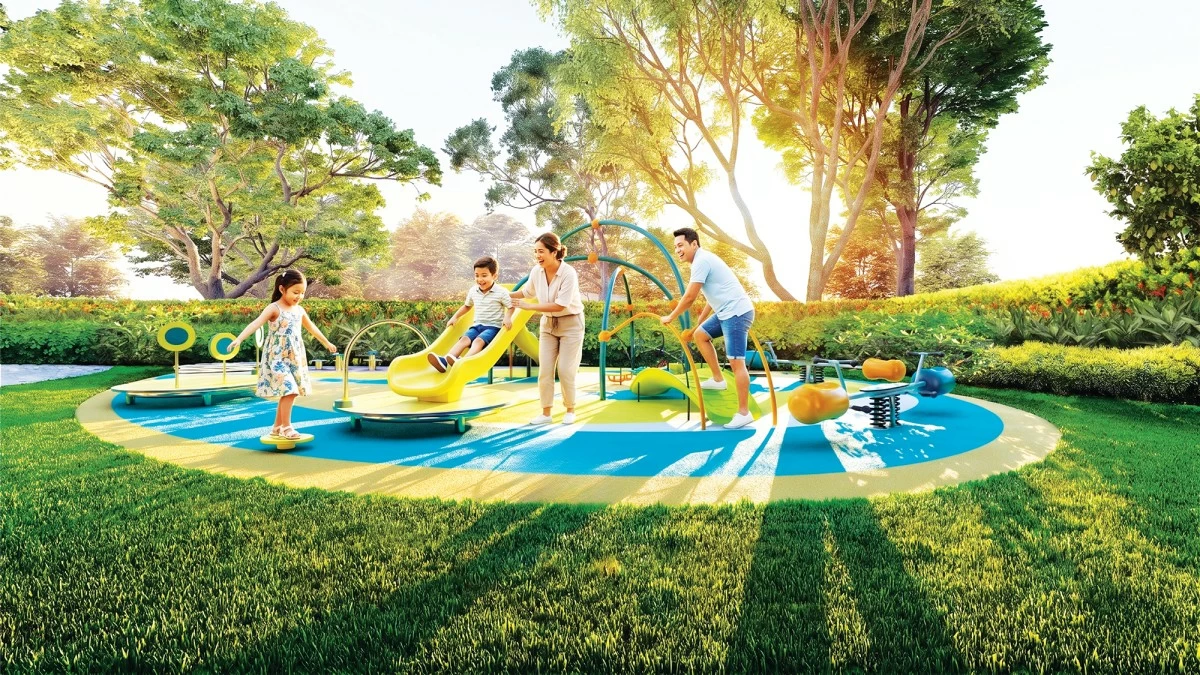
More Room to Breathe
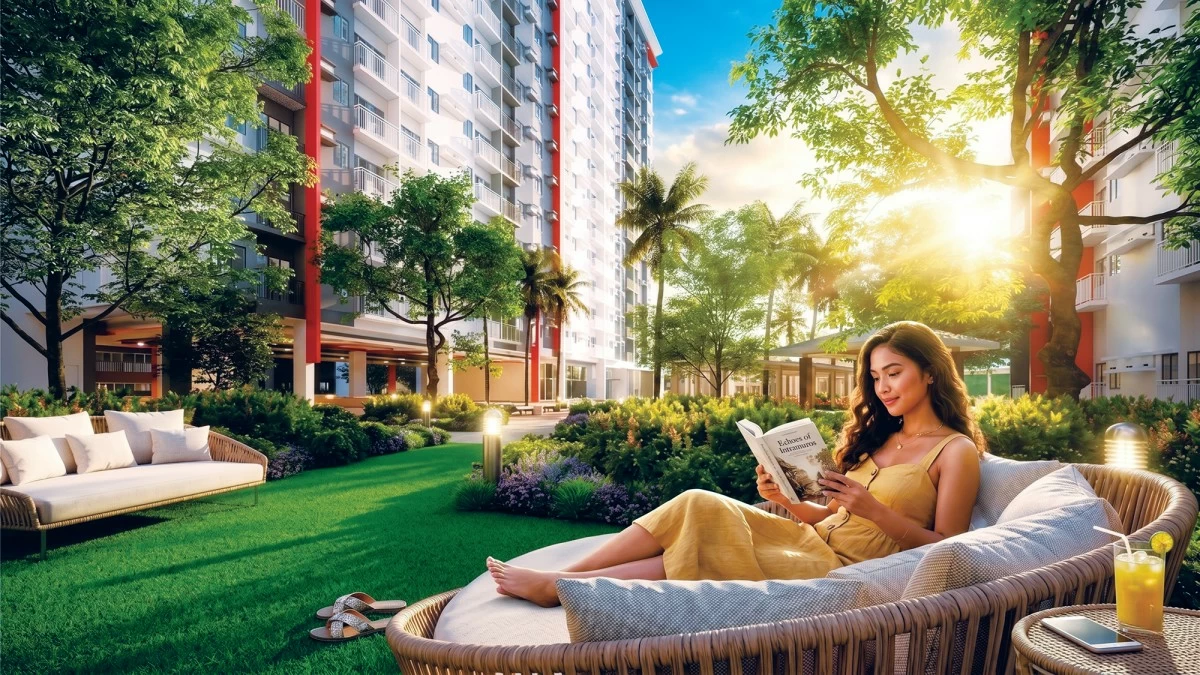
In many urban communities, open space has often been treated as a luxury. But as hotter days become harder to ignore, greenery, shade, and breathing room are becoming everyday essentials.
For SMDC Nature, this approach is called The Greenprint: a design framework that brings together open space, resource efficiency, and sustainability in ways residents can feel in everyday life.
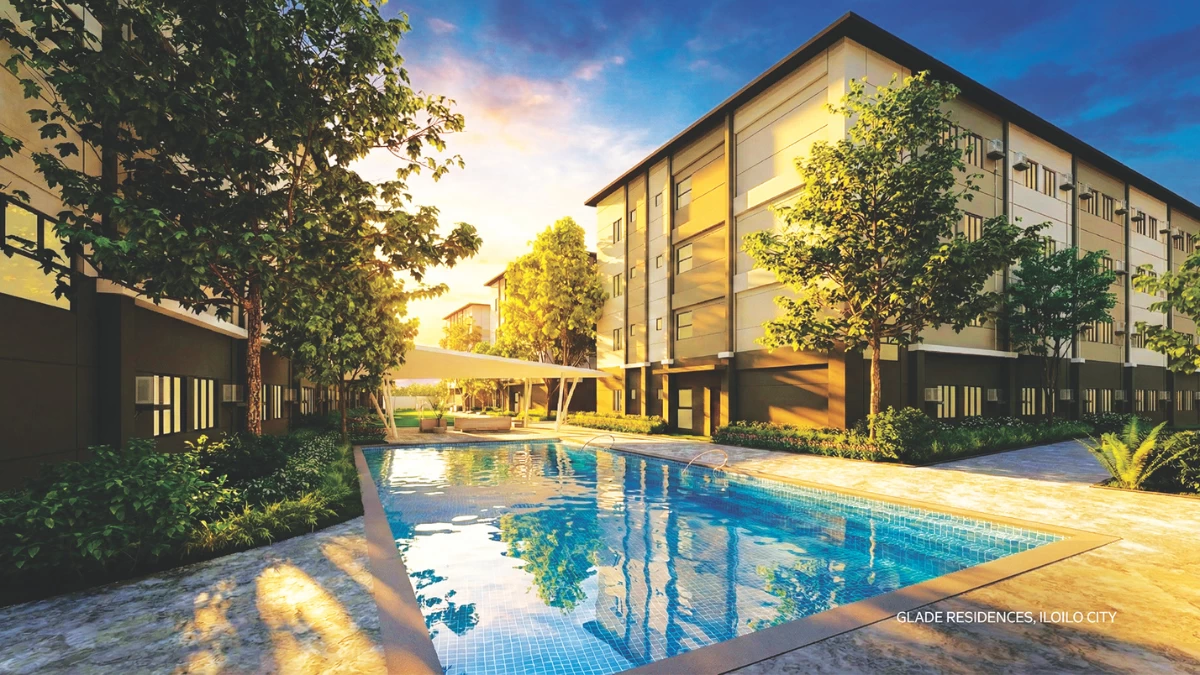
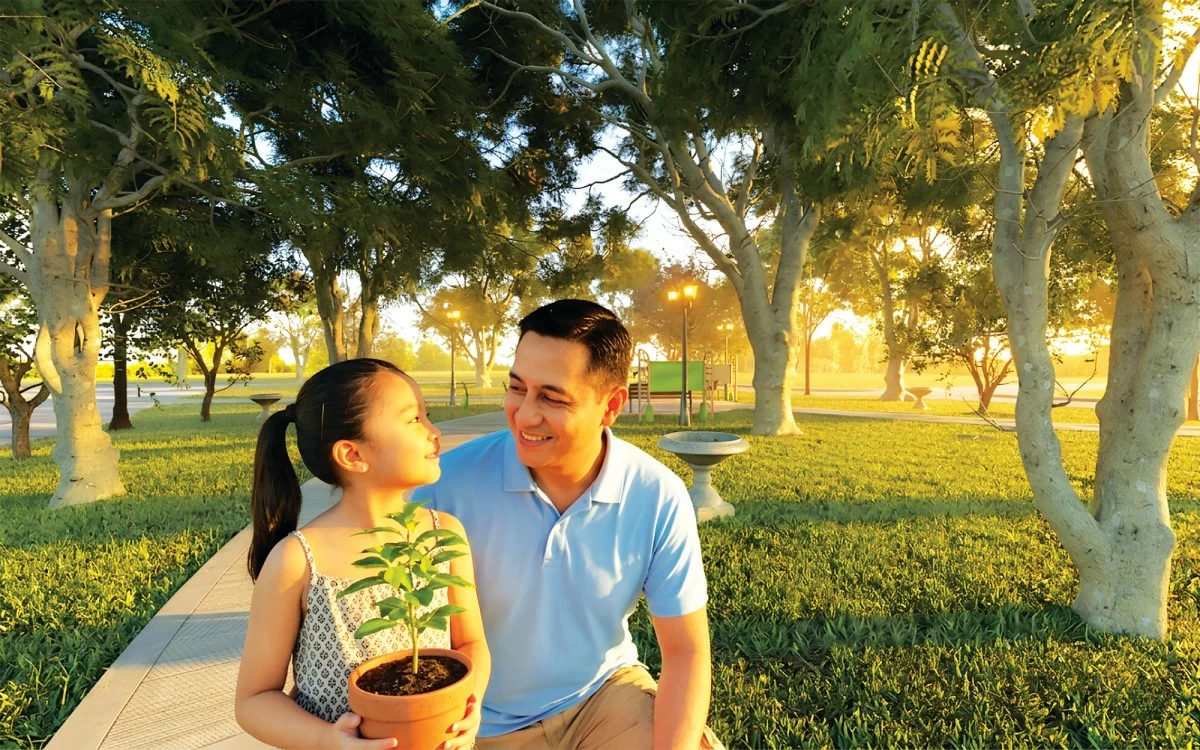
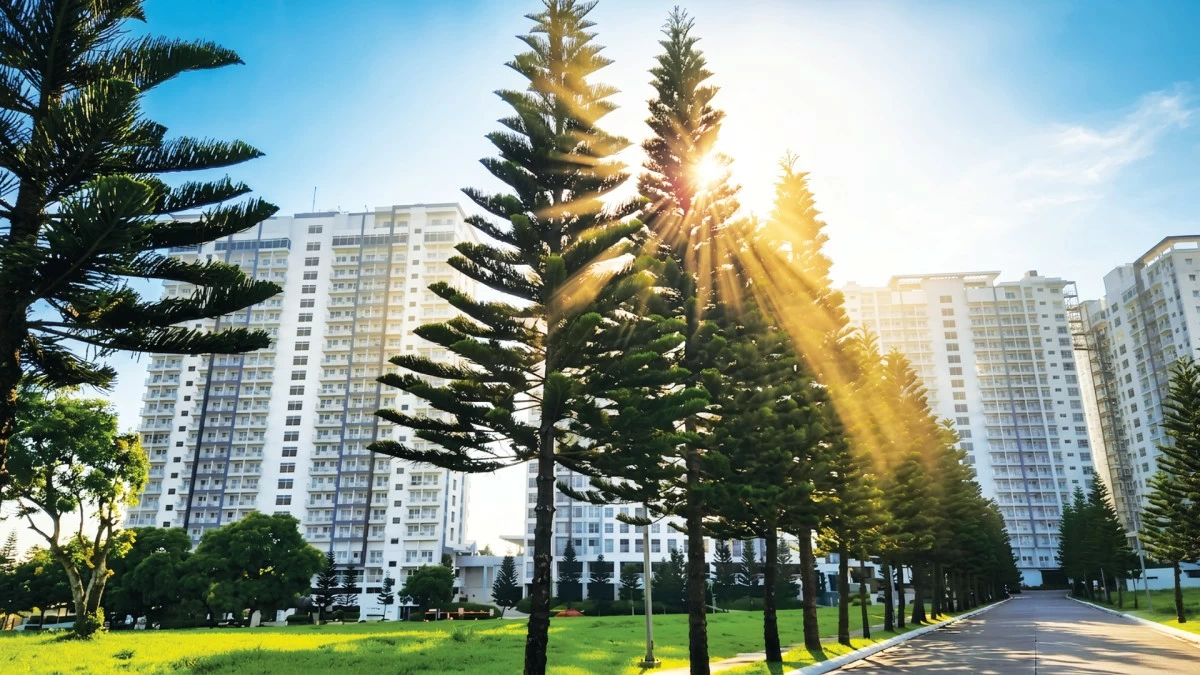
Across SMDC Nature developments, at least 60 percent of the property is dedicated to open space. Shaded linear parks, landscaped areas, and walkable green spaces are integrated into the community to create more comfortable, breathable environments for everyday living.
The landscaping also incorporates native plant species selected to withstand local weather conditions, including prolonged dry periods and heavy rainfall.
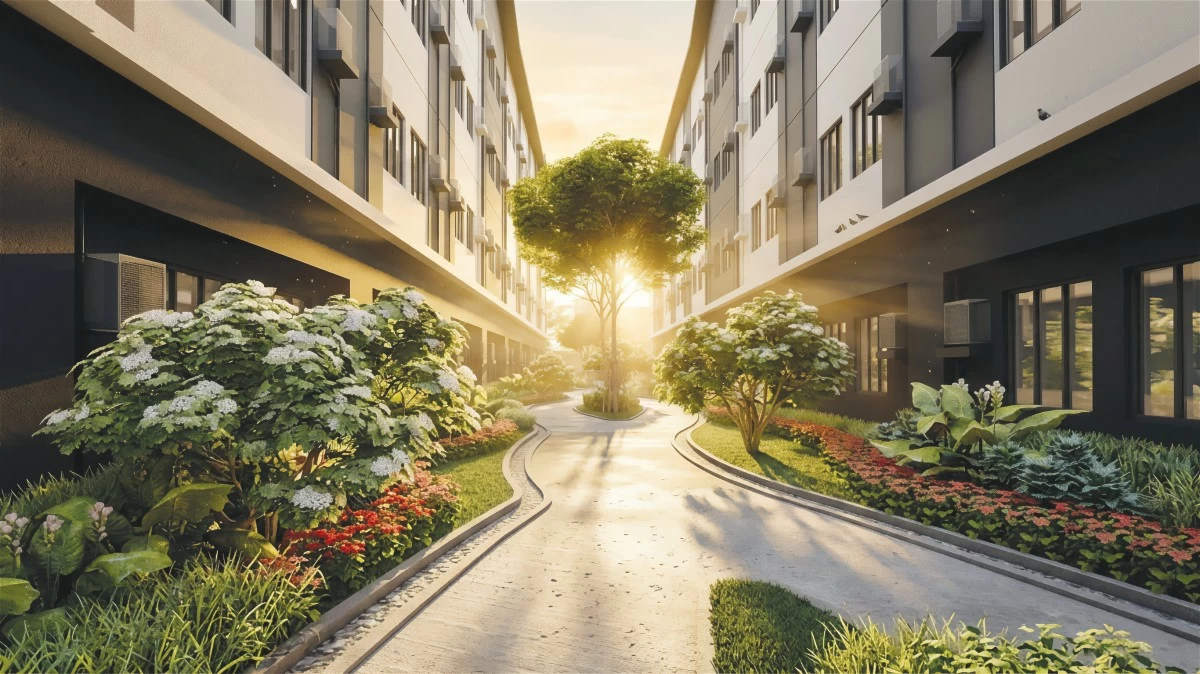
Every Drop Counts
Water security becomes a growing concern during El Niño.
Families become more mindful of consumption, while communities look for ways to manage resources more efficiently.
At SMDC Nature communities, high-efficiency plumbing fixtures help reduce unnecessary water use through better design.
Several developments also incorporate large-scale water management systems. Cheer Residences features a 1,316-cubic-meter detention tank, while Joy Residences includes a 1,656-cubic-meter detention tank designed to help manage rainfall and support more responsible water use as weather conditions continue to change.
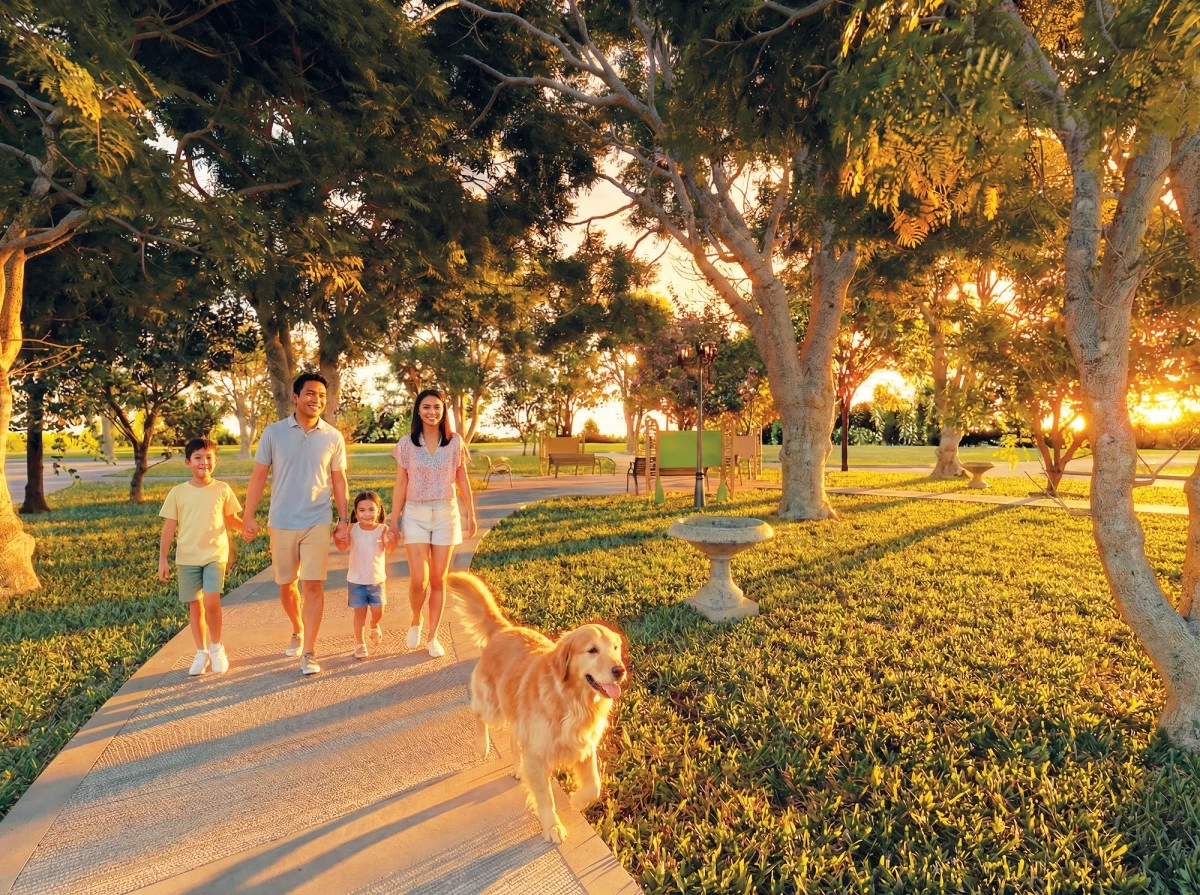
A Different Kind of Power
Hotter days often lead to higher electricity consumption as cooling systems and shared facilities work harder.
Earlier this year, SM Development Corporation (SMDC) expanded its sustainability efforts through a partnership with Buskowitz Energy, introducing renewable energy systems for common areas in select residential developments.
Style Residences, Spring Residences, South Residences, and Vine Residences are the first communities to implement the initiative.
The systems are expected to reduce common area energy consumption by approximately 15 percent, helping lower electricity costs over time while improving operational efficiency.
Renewable energy integration will also become a standard feature across future SMDC Nature developments.
“The weather may be changing, but the goal remains the same,” said Jessica Bianca Sy, Vice President and Head of Design, Innovation, and Strategy at SMDC. “People simply want a home that makes everyday life feel a little easier. The Greenprint is our way of designing communities around that idea."
The Quiet Things Matter
Many of the features that support climate resilience are not always visible. Shaded walkways, water-efficient fixtures, detention tanks, renewable energy systems, and climate-adaptive landscaping may seem like small details individually.
Together, however, they help create communities that are better prepared for changing weather conditions while improving everyday comfort for residents.
As El Niño highlights the growing impact of climate on daily living, these design decisions are becoming increasingly important. They reflect a broader shift in homeownership priorities—from simply choosing where to live to considering how a community can support long-term comfort, efficiency, and resilience.
As climate conditions continue to evolve, homebuyers are looking beyond traditional location factors and paying closer attention to how communities are designed. Open spaces, resource efficiency, and long-term resilience are becoming increasingly important considerations in the future of homeownership.
More about The Greenprint and SMDC Nature's growing portfolio of communities may be found at SMDCNature.com.

Related Tags

SMDC Jessica Bianca T. Sy SMDC Nature
ADVERTISEMENT
.most-popular .layout-ratio{ padding-bottom: 79.13%; } @media (min-width: 768px) and (max-width: 1024px) { .widget-title { font-size: 15px !important; } }

{{ articles_filter_1561_widget.title }}

.most-popular .layout-ratio{ padding-bottom: 79.13%; } @media (min-width: 768px) and (max-width: 1024px) { .widget-title { font-size: 15px !important; } }

{{ articles_filter_1562_widget.title }}

.most-popular .layout-ratio{ padding-bottom: 79.13%; } @media (min-width: 768px) and (max-width: 1024px) { .widget-title { font-size: 15px !important; } }

{{ articles_filter_1563_widget.title }}

{{ articles_filter_1564_widget.title }}

.mb-article-details { position: relative; } .mb-article-details .article-body-preview, .mb-article-details .article-body-summary{ font-size: 17px; line-height: 30px; font-family: "Libre Caslon Text", serif; color: #000; } .mb-article-details .article-body-preview iframe , .mb-article-details .article-body-summary iframe{ width: 100%; margin: auto; } .read-more-background { background: linear-gradient(180deg, color(display-p3 1.000 1.000 1.000 / 0) 13.75%, color(display-p3 1.000 1.000 1.000 / 0.8) 30.79%, color(display-p3 1.000 1.000 1.000) 72.5%); position: absolute; height: 200px; width: 100%; bottom: 0; display: flex; justify-content: center; align-items: center; padding: 0; } .read-more-background a{ color: #000; } .read-more-btn { padding: 17px 45px; font-family: Inter; font-weight: 700; font-size: 18px; line-height: 16px; text-align: center; vertical-align: middle; border: 1px solid black; background-color: white; } .hidden { display: none; }
function initializeAllSwipers() { // Get all hidden inputs with cms_article_id document.querySelectorAll('[id^="cms_article_id_"]').forEach(function (input) { const cmsArticleId = input.value; const articleSelector = '#article-' + cmsArticleId + ' .body_images'; const swiperElement = document.querySelector(articleSelector); if (swiperElement && !swiperElement.classList.contains('swiper-initialized')) { new Swiper(articleSelector, { loop: true, pagination: false, navigation: { nextEl: '#article-' + cmsArticleId + ' .swiper-button-next', prevEl: '#article-' + cmsArticleId + ' .swiper-button-prev', }, }); } }); } setTimeout(initializeAllSwipers, 3000); const intersectionObserver = new IntersectionObserver( (entries) => { entries.forEach((entry) => { if (entry.isIntersecting) { const newUrl = entry.target.getAttribute("data-url"); if (newUrl) { history.pushState(null, null, newUrl); let article = entry.target; // Extract metadata const author = article.querySelector('.author-section').textContent.replace('By', '').trim(); const section = article.querySelector('.section-info ').textContent.replace(' ', ' '); const title = article.querySelector('.article-title h1').textContent; // Parse URL for Chartbeat path format const parsedUrl = new URL(newUrl, window.location.origin); const cleanUrl = parsedUrl.host + parsedUrl.pathname; // Update Chartbeat configuration if (typeof window._sf_async_config !== 'undefined') { window._sf_async_config.path = cleanUrl; window._sf_async_config.sections = section; window._sf_async_config.authors = author; } // Track virtual page view with Chartbeat if (typeof pSUPERFLY !== 'undefined' && typeof pSUPERFLY.virtualPage === 'function') { try { pSUPERFLY.virtualPage({ path: cleanUrl, title: title, sections: section, authors: author }); } catch (error) { console.error('ping error', error); } } // Optional: Update document title if (title && title !== document.title) { document.title = title; } } } }); }, { threshold: 0.1 } ); function showArticleBody(button) { const article = button.closest("article"); const summary = article.querySelector(".article-body-summary"); const body = article.querySelector(".article-body-preview"); const readMoreSection = article.querySelector(".read-more-background"); // Hide summary and read-more section summary.style.display = "none"; readMoreSection.style.display = "none"; // Show the full article body body.classList.remove("hidden"); } document.addEventListener("DOMContentLoaded", () => { let loadCount = 0; // Track how many times articles are loaded const offset = [1, 2, 3, 4, 5, 6, 7, 8, 9, 10]; // Offset values const currentUrl = window.location.pathname.substring(1); let isLoading = false; // Prevent multiple calls if (!currentUrl) { console.log("Current URL is invalid."); return; } const sentinel = document.getElementById("load-more-sentinel"); if (!sentinel) { console.log("Sentinel element not found."); return; } function isSentinelVisible() { const rect = sentinel.getBoundingClientRect(); return ( rect.top < window.innerHeight && rect.bottom >= 0 ); } function onScroll() { if (isLoading) return; if (isSentinelVisible()) { if (loadCount >= offset.length) { console.log("Maximum load attempts reached."); window.removeEventListener("scroll", onScroll); return; } isLoading = true; const currentOffset = offset[loadCount]; window.loadMoreItems().then(() => { let article = document.querySelector('#widget_1690 > div:nth-last-of-type(2) article'); intersectionObserver.observe(article) loadCount++; }).catch(error => { console.error("Error loading more items:", error); }).finally(() => { isLoading = false; }); } } window.addEventListener("scroll", onScroll); });

Sign up by email to receive news.