






 Philippines
Metro Manila
Group identifies over 50 heritage sites along proposed SALEX route in Manila
Philippines
Metro Manila
Group identifies over 50 heritage sites along proposed SALEX route in Manila
Group identifies over 50 heritage sites along proposed SALEX route in Manila


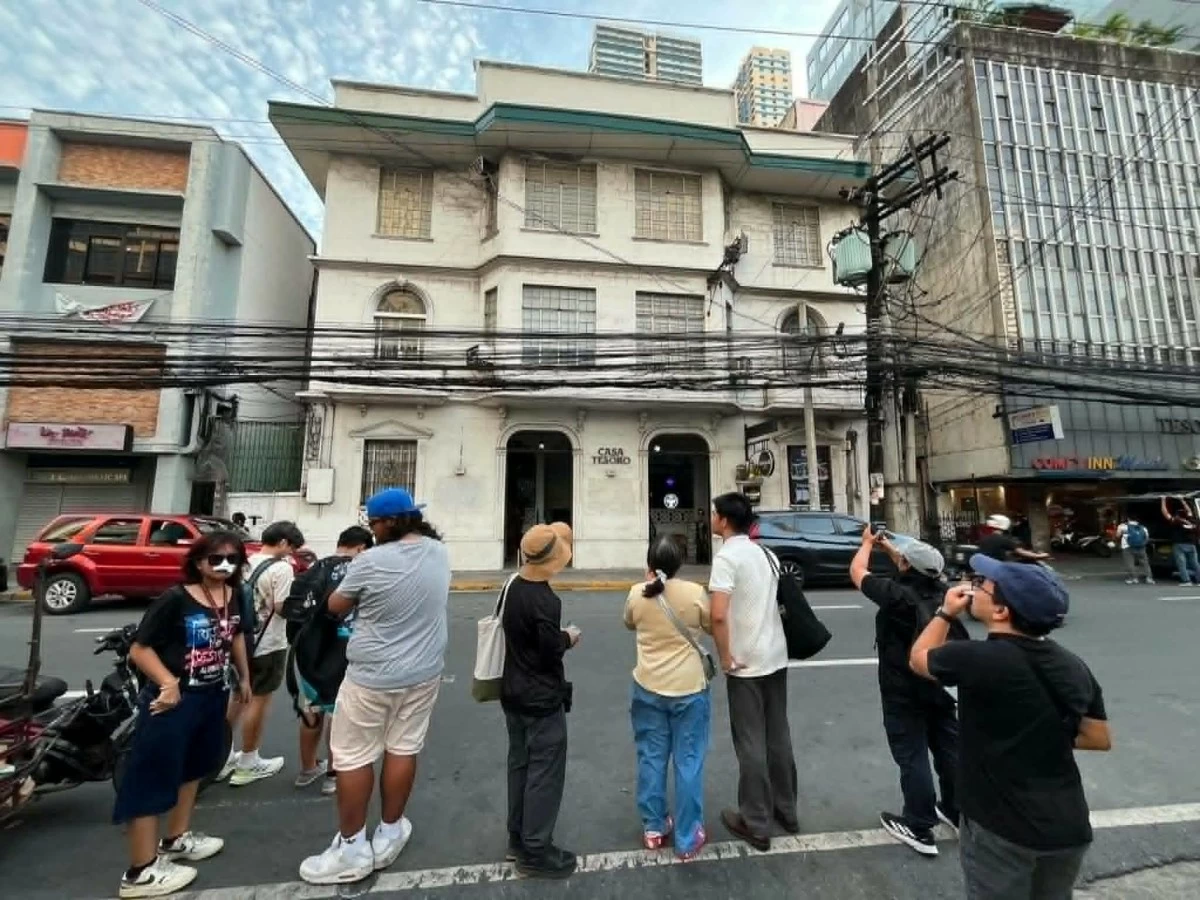
Manileños for Heritage (M4H) started a mapping activity on May 31 to document potential heritage and environmental assets along the project corridor, which covers parts of Ermita and Malate.
The group said the elevated expressway, being undertaken by San Miguel Corporation, is expected to link the South Luzon Expressway to key areas of Manila.
Initial mapping covered areas from the Manila Zoo through Quirino Avenue, Roxas Boulevard, Pedro Gil Street, A. Mabini Street, and up to Padre Faura Street.
Among the sites identified were Casa Tesoro, the Jose P. Laurel Foundation Building, and the Elpidio Quirino Monument, as well as Spanish colonial-era landmarks such as Malate Church, Fort San Antonio Abad, and Paco Park.
The survey also noted heritage structures from the American and post-war periods, including buildings within the Philippine General Hospital complex and the University of the Philippines Manila.
M4H said even structures not directly within the project alignment, such as the Syquia Apartments, may be affected by changes in their surroundings, including altered sightlines and reduced visibility.
In addition to built heritage, the group documented several mature trees along the route, including narra, mahogany, acacia, and fire trees, some of which have reportedly been cut or marked for removal.
The group raised concerns over the potential impact of the project on heritage conservation, environmental conditions, and the quality of life of residents in the area.
M4H said it plans to submit its findings to national and local government agencies, calling for a comprehensive assessment of the project’s cultural, environmental, and social implications.
The mapping initiative is ongoing, with the group inviting the public to contribute additional information and feedback.