






Manila Bulletin
 Philippines
National
Erwin Tulfo: Senators could have prayed for Jinggoy without skipping session
Philippines
National
Erwin Tulfo: Senators could have prayed for Jinggoy without skipping session
Philippines
National
Erwin Tulfo: Senators could have prayed for Jinggoy without skipping session
Erwin Tulfo: Senators could have prayed for Jinggoy without skipping session
By Dhel Nazario
Published Jun 2, 2026 12:37 pm
|
Updated Jun 2, 2026 01:07 pm


At A Glance
- Sen. Erwin Tulfo said Senate President Alan Peter Cayetano failed to keep the Senate functioning and questioned his ability to lead.
- He argued senators should continue attending sessions despite Senator Jinggoy Estrada's detention, saying taxpayers fund their salaries.
- Tulfo rejected claims of Malacañang interference in Senate affairs and said he found no legal basis for a boycott of Senate proceedings.
Since Senate President Alan Peter Cayetano is so "prayerful," Senator Erwin Tulfo said on Tuesday, June 2, that they could have prayed for him without skipping the plenary session.
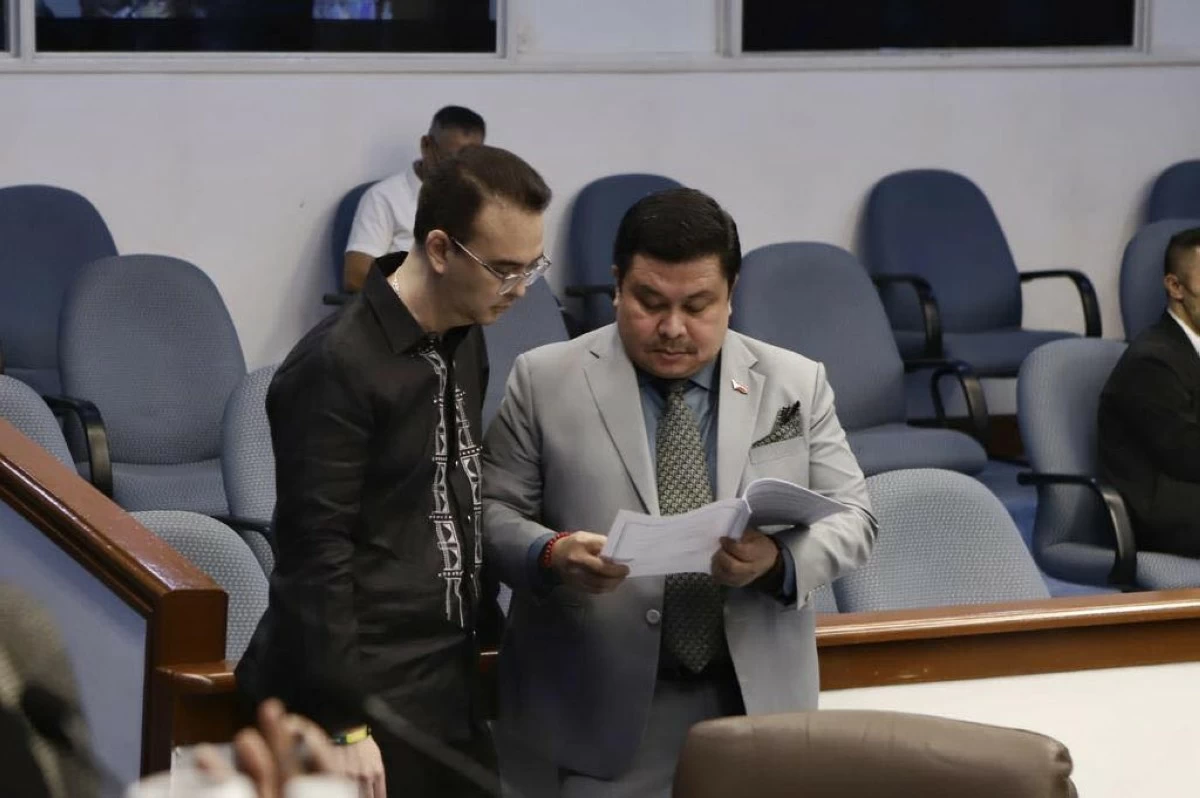
Senate President Alan Peter Cayetano and Senator Jinggoy Estrada (SP Cayetano's Facebook page)
In a DZMM interview, Tulfo criticized the decision of some senators to skip Senate sessions following the arrest and detention of Senator Jinggoy Estrada, arguing that the chamber could have expressed solidarity with their colleague without suspending legislative work.
"Sana kung magaling talaga siya, 'o pasok tayo boys'. O wala tayong magawa. Ipagdasal na lang natin si Senator Jinggoy (Well, if he’s really good, he could have said 'let’s go boys'. Otherwise, there’s nothing we can do. Let’s just pray for Senator Jinggoy)," Tulfo said, suggesting senators could have offered prayers for Estrada while continuing with the session.
"Tutal, mahilig naman siyang magdasal, prayerful siya, then we could have prayed. Sana kahapon, lumuhod kami, lumuhod tayo lahat at magdasal, ialay natin, kalahating oras, magdasal tayo. No problem mo sa amin (After all, he likes to pray, he’s prayerful, then we could have prayed. Yesterday, we should have knelt, all of us, and prayed, offered half an hour to pray. No problem for us)," he added.
He also questioned Cayetano's leadership, stating the latter had failed to maintain order in the Upper Chamber amid the ongoing dispute between the Senate's majority and minority blocs.
Asked whether Cayetano was still capable of leading the Senate, Tulfo replied, "Hindi (Not anymore)."
Tulfo also rejected calls for a boycott of the plenary session, saying public officials have a responsibility to report for work, especially since they are paid using taxpayers' money.
"Ang nakakahiya po diyan, i-boycott, so hindi ho kami papasok. Paano naman po yung sweldo? So hindi ka papasok, sinusuweldohan ka (What’s embarrassing there is to boycott, meaning we won’t go to work. But what about the salary? So you don’t report for work, yet you’re still being paid)," he said.
He stressed that government workers, including senators, are compensated through the taxes paid by ordinary Filipinos.
"Pawis, dugo, luha ng mga kababayan natin, mga manggagawa sa civilian sector, professional, ordinary worker. Pinapasuweldohan ho kami, hindi kami papasok. Ang sarap naman ng buhay. Nakakahiya (Sweat, blood, and tears of our fellow citizens, workers in the civilian sector, professionals, ordinary laborers. They are the ones funding our salaries, yet we don’t show up for work. What a comfortable life that is. It’s shameful)," Tulfo said.
The senator also disputed claims that the Senate's independence was under threat, saying he had seen no evidence that Malacañang was interfering in the affairs of the upper chamber.
"Ang tinutukoy niya po ba na dinidiktahan kami ng Malacañang? Ano yung pruweba?" Tulfo said, referring to Cayetano's statements about protecting the Senate's independence.
"Ako pasensya na, bago lang ako dito. Wala akong nakikita dinidiktahan kami ng Malacañang (I apologize, I’m new here. I don’t see Malacañang dictating to us)," he added.
Tulfo explained that interactions between the Executive and Legislative branches typically occur through the Legislative-Executive Development Advisory Council (LEDAC), where the administration presents its legislative priorities.
He maintained that while the branches of government are separate, they remain co-equal under the Constitution.
The senator, likewise, said he could find no provision in either the Constitution or Senate rules that would justify suspending attendance at sessions because a colleague had been jailed.
Asked about claims that the issue had become a battle of competing narratives, Tulfo said the public and the media could judge the situation for themselves.