






Manila Bulletin
 Business
Trade & Industry
Hog producers warn of supply crunch on proposed pork price cap
Business
Trade & Industry
Hog producers warn of supply crunch on proposed pork price cap
Business
Trade & Industry
Hog producers warn of supply crunch on proposed pork price cap
Hog producers warn of supply crunch on proposed pork price cap
Published May 22, 2026 10:50 am


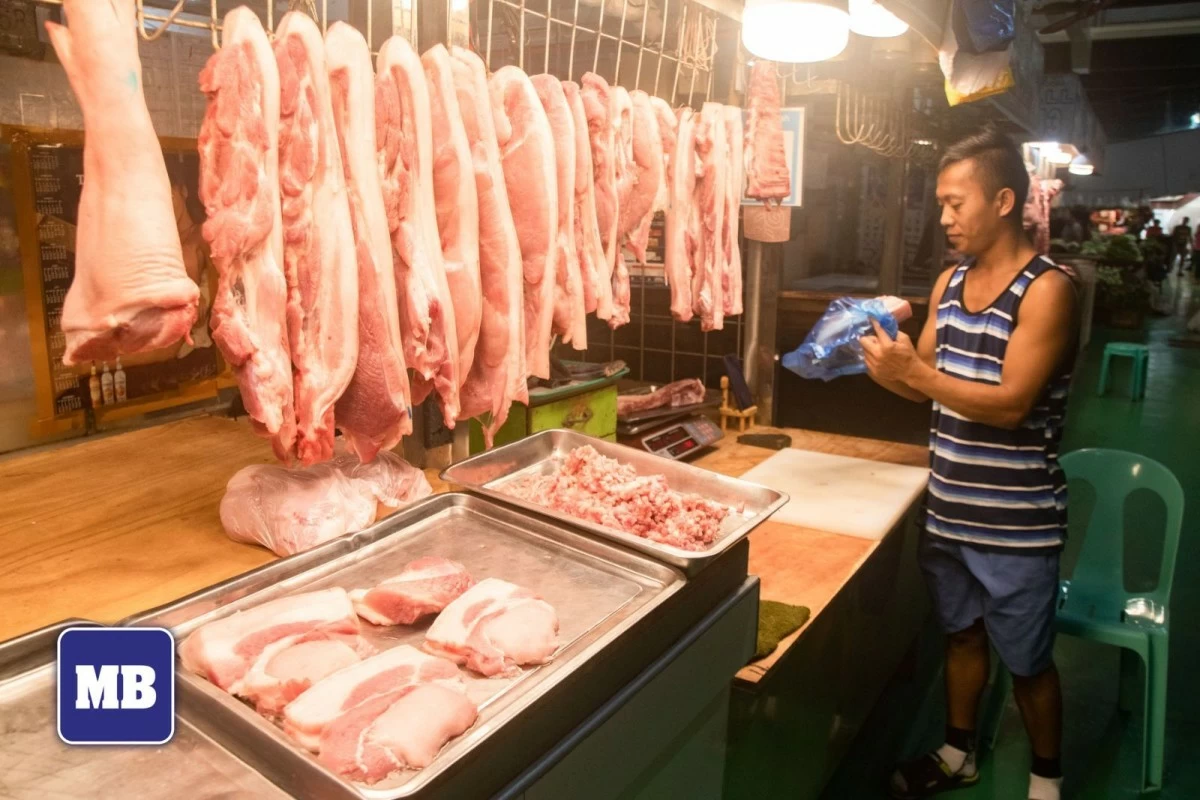
The Department of Agriculture sets a minimum farmgate price for live hogs to help local raisers recover from an influx of cheaper imports.
Local hog producers warned that the government’s plan to enforce a price ceiling on liempo or pork belly could further strain domestic production at a time when farmgate prices are already depressed while input costs are at their highest.
Pork Producers Federation of the Philippines Inc. (ProPork) said in a statement that it is against the implementation of a retail price cap, as farmgate prices for pork are now well below the average breakeven level of ₱185 per kilo.
Despite this, ProPork noted that retail prices in markets across the country remain high, which the group said “demonstrates that the pricing issue does not rest with the producers alone.”
The group said that elevated retail prices are influenced largely by factors down the supply chain, including rising transportation and logistics costs on the back of higher petroleum prices.
"Policies meant to address high retail prices should not unintentionally place the burden solely on producers who are already facing increasing costs and continuing recovery challenges," said ProPork.
The Department of Agriculture (DA) earlier said that it is studying the imposition of a price cap of ₱380 per kilo for liempo in a bid to temper upward adjustments in prices of the commodity.
Based on the DA’s market monitoring, the prevailing retail price for local liempo in Metro Manila markets stood at ₱402.89 per kilo as of May 21.
If the government moves to implement the price cap, ProPork asserted that the policy could discourage farmers from restocking, weakening local pork supply and overall food security in the process.
The group also warned that it could lead to an increase in unregulated trading and make the country more dependent on imported pork products.
Instead of imposing a ceiling on retail prices, the hog producers said the government should consider placing a cap on essential farm inputs, such as animal feed, veterinary medicines, and vaccines.
ProPork also urged the government to closely monitor intermediary and retail markups, on top of providing direct production support to local hog raisers to encourage stable local production.
"We urge policymakers to consider sustainable measures that protect consumers without sacrificing the survival and sustainability of the local hog industry,” it said.
Earlier, farmers’ group Samahang Industriya ng Agrikultura (SINAG) said it is in support of the proposed ₱380 per kilo price cap on local liempo to ensure that consumers benefit from low farmgate prices.
SINAG emphasized that government intervention is necessary to protect consumers and shield local hog producers from the “unprecedented surge in pork imports.”
Data from the Bureau of Animal Industry (BAI) showed that pork imports increased by nearly 23 percent to 151,788 metric tons from January to February, up from 124,047 MT in the same period last year.