






 Business
Trade & Industry
BOC targets 2,000 top importers for new elite customs office
Business
Trade & Industry
BOC targets 2,000 top importers for new elite customs office
BOC targets 2,000 top importers for new elite customs office
By Derco Rosal


At A Glance
- As the Bureau of Customs (BOC) targets the rollout of the top importers office (TIO) by the third quarter of the year, Manila Bulletin has learned that the agency is eyeing up to 2,000 major importers that account for nearly three-fourths of the bureau's annual revenues.
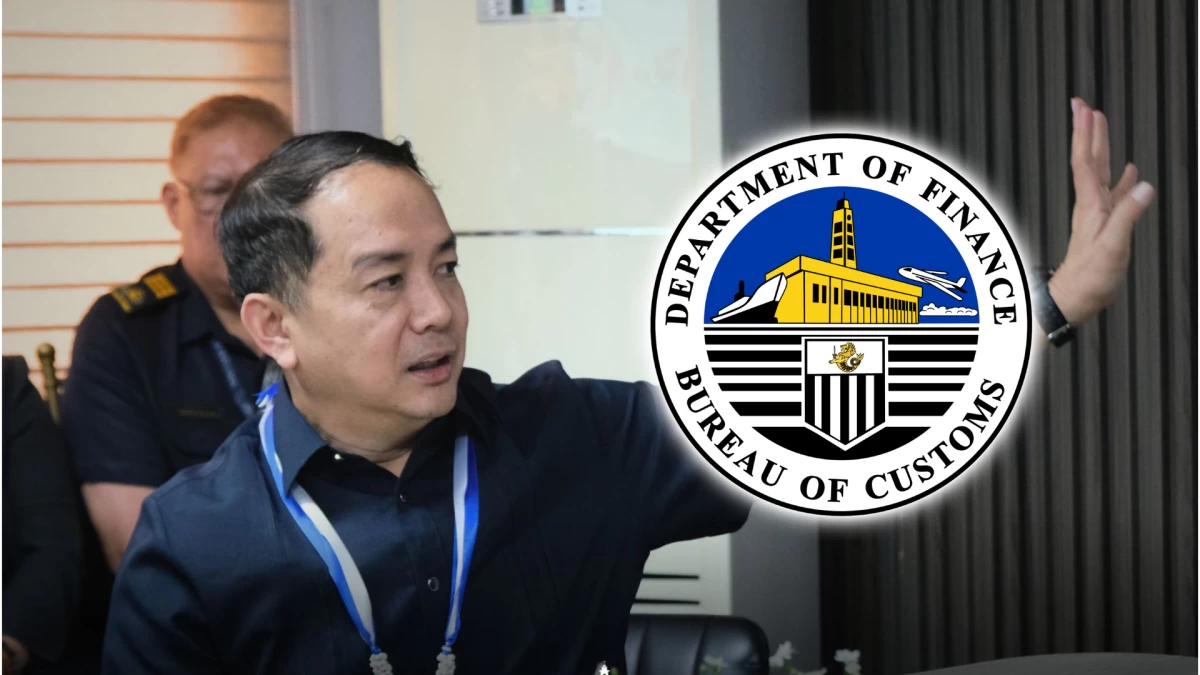
As the Bureau of Customs (BOC) targets the rollout of a new top importers office (TIO) by the third quarter of 2026, Manila Bulletin has learned that the bureau is eyeing up to 2,000 major importers that account for nearly three-fourths of annual revenues of the country’s second largest tax-collection agency.
Customs Commissioner Ariel F. Nepomuceno told Manila Bulletin last Friday, May 15, that the BOC is consolidating companies that meet criteria such as tax contributions, transaction volume, and overall compliance history as part of the rollout of the BOC-led elite group.
“We will consider the historical value of imports and compliance records,” Nepomuceno said. “We are targeting to implement this in the third quarter so our large importers will receive the needed support and ease in doing business, allowing them to continue expanding.”
This initiative, formalized under Customs Memorandum Order (CMO) No. 6-2026 issued by Nepomuceno last May 11, pursues a shift to specialized trade management, particularly streamlining the movement of goods for the country’s largest economic contributors.
In the CMO, the BOC stated that the creation of TIO aims “to serve as the bureau’s dedicated facilitation office for top importers and the registered third parties essential to their customs operations.”
As for the firm size criteria, Nepomuceno said the BOC will determine the threshold in June and secure the Department of Finance’s (DOF) approval of the gauge.
Based on the BOC’s estimate, the size of the unit could reach approximately 1,500 to 2,000 importers. “These companies actually contribute around 70 percent of our overall collections,” Nepomuceno told Manila Bulletin.
This suggests that the country’s top importers contributed around ₱650 billion of the BOC’s overall collections last year of ₱934.4 billion. This year, these firms are expected to contribute around ₱700 billion as the BOC pursues its first ₱1 trillion in full-year revenue.
It bears noting that the selection process for this elite roster is rigorous. For one, “top importers” are defined as those “whose import activities represent a significant contribution to customs revenue, import value or volume, and national trade flows.”
According to the BOC, the search for members will be conducted using objective, risk-based metrics, specifically evaluating “duties and taxes paid, transaction frequency, compliance record, and economic significance.”
This group will also include subsidiaries, affiliates, and participants in existing premium programs like super green lane (SGL).
Nepomuceno said that the economic value these entities offer the country “must be reciprocated and supported with the needed ease and efficiency that the BOC can provide.”
In particular, TIO will act as a “central coordinating authority and primary point of contact for top importers, exporters, and third parties.”
Centralizing these interactions would help ease doing business by reducing bureaucratic red tape, simplifying customs procedures, and lowering transaction costs, according to the BOC.
Meanwhile, a caveat remains, as the privileges of the elite group come with strict accountability.
It is within the BOC’s power to “periodically review the roster of top importers and may suspend or remove an importer from the roster upon determination of violations of customs laws” or a “deterioration of compliance record.”
To ensure high-level oversight, TIO shall report to Nepomuceno, who will exercise immediate supervision over the office in line with its mandate.