







Can an ICE compete with an EV's overall practicality?
Suzuki S-Presso AGS vs EVs
Published May 14, 2026 01:28 am


At A Glance
- Compare the Suzuki S-Presso to electric vehicles in a similar price bracket, with around a 170-kilometer range. The S-Presso AGS can drive further than that with one full tank.
- The S-Presso doesn't promise to change the world. What it does offer is straightforward, no-nonsense mobility at a time when the only certainty is rising fuel costs.
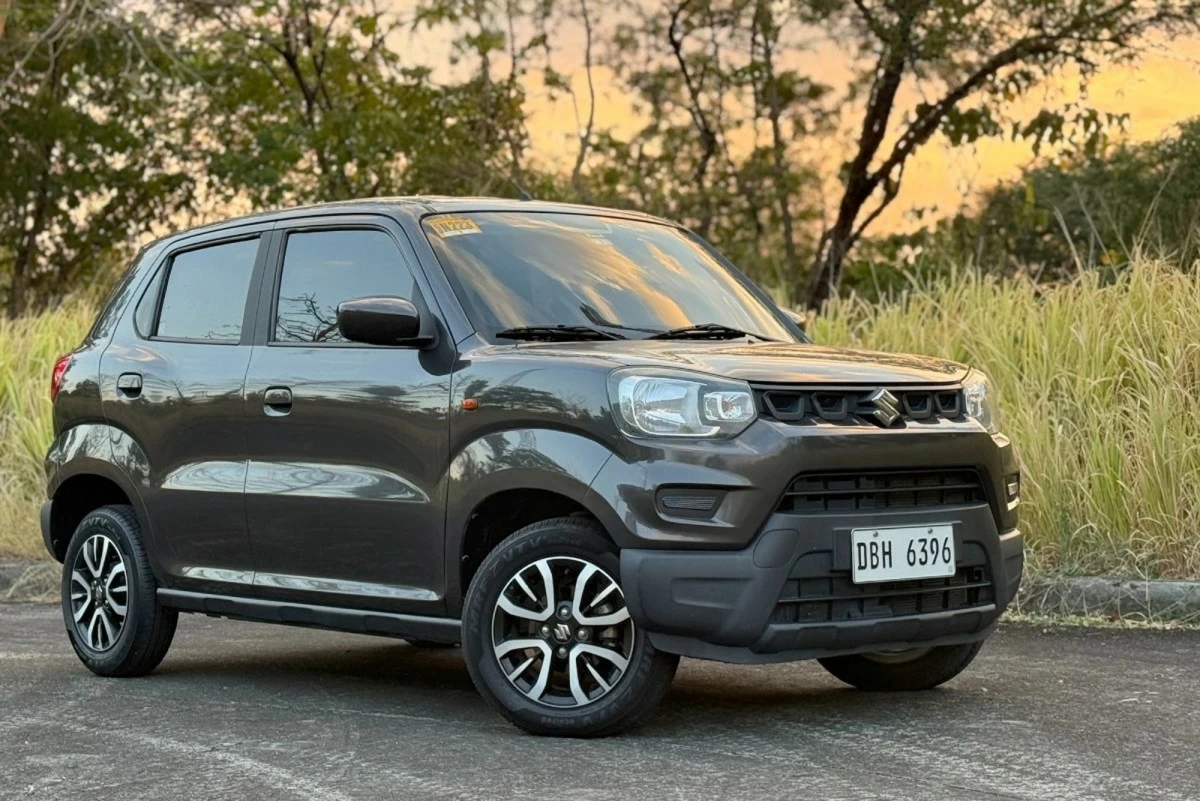
In a world that’s rapidly electrifying, the idea of choosing a small gasoline-powered hatchback over an electric vehicle feels almost rebellious. After all, EVs are the future, cleaner, quieter, and increasingly accessible. But step into the Philippine reality, charging infrastructure is still catching up and fuel prices continue their unpredictable climb.
Simplicity and serviceability
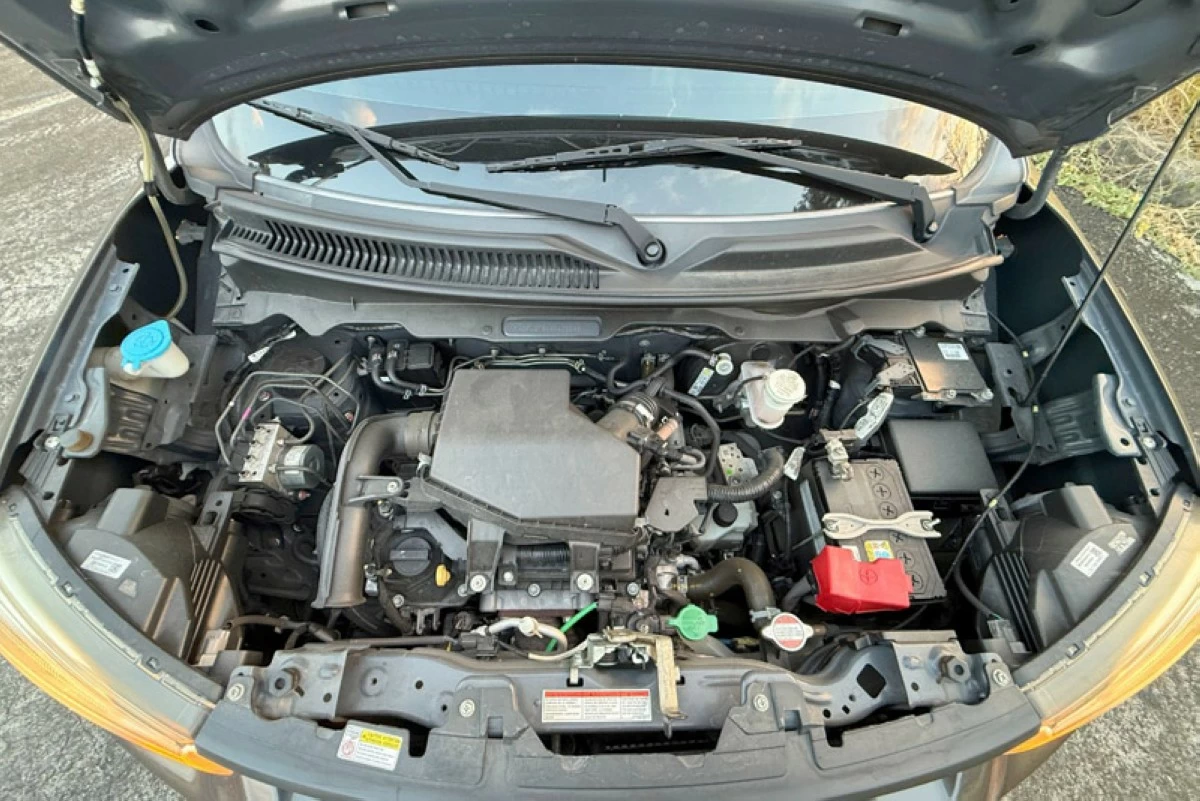
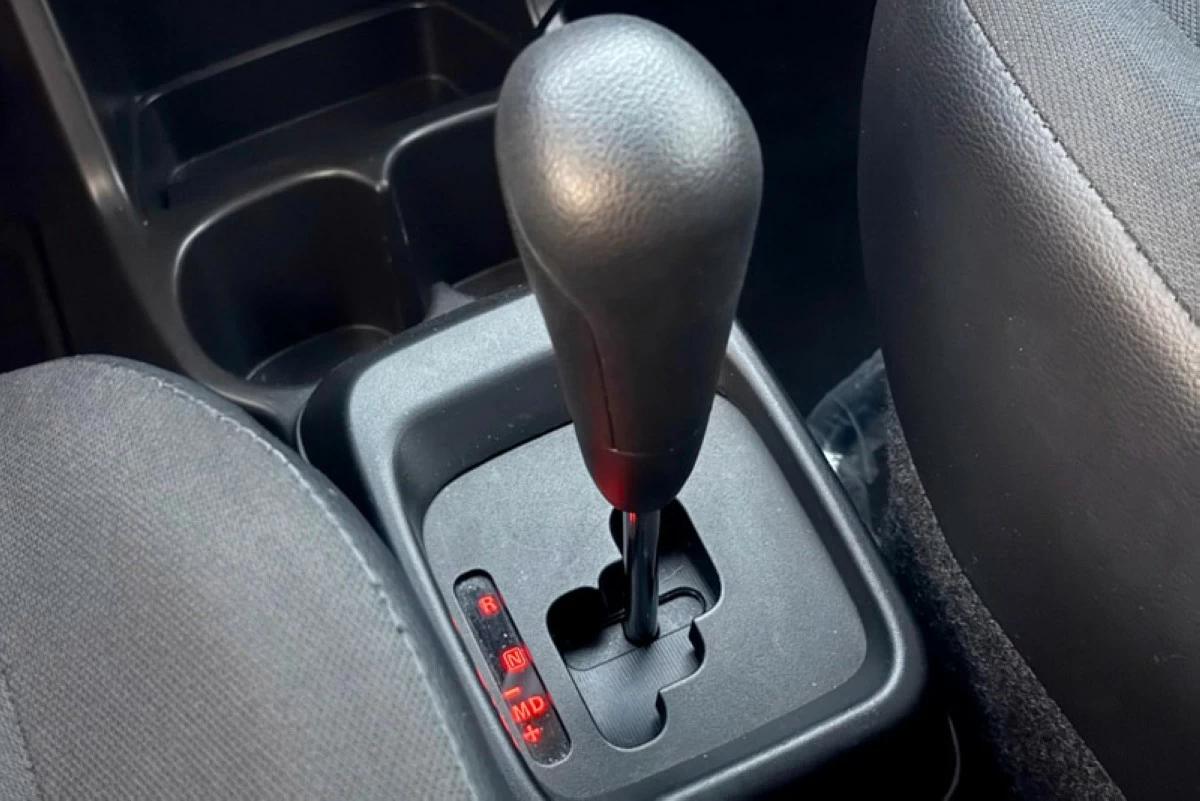
Sometimes, the smartest choice isn’t the newest one. Take the Suzuki S-Presso AGS. On paper, it’s about as simple as cars come: a boxy design with a small 1.0-liter, three-cylinder engine that puts out 66-hp max power at 5,000 rpm with 89-Nm at 3,500 rpm, mated to a five-speed manual transmission with Auto Gear Shift (AGS). AGS is an automated manual transmission that prioritizes efficiency over outright smoothness. In today’s context, that simplicity is its edge.
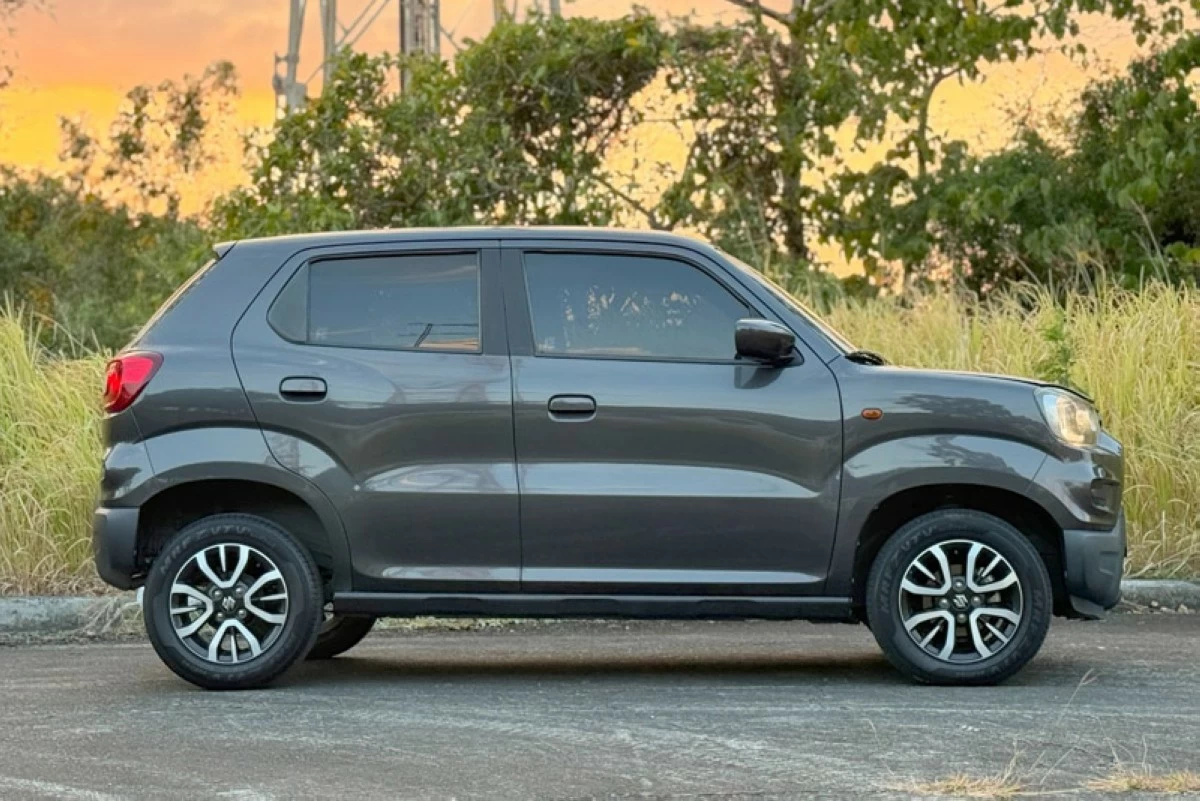
Let’s start with the most obvious factor, price. The S-Presso AGS sits comfortably below the million-peso mark, at P674K, that makes it one of the most accessible brand-new cars you can buy in the Philippines. Compare that to electric vehicles in a similar price bracket, with around a 170-kilometer range. The S-Presso AGS can drive further than that with one full tank. In fact, when we drove it up to Baguio after it launched, we used up about half of its 27-liter gas tank.
It also benefits from something far less flashy but gives it value, familiarity. Suzuki has been in the country for decades. Parts are easy to find, mechanics know how to fix it, and ownership doesn’t come with a learning curve. In a market where after-sales support can make or break the experience, service matters more than most people admit.
Quick refueling
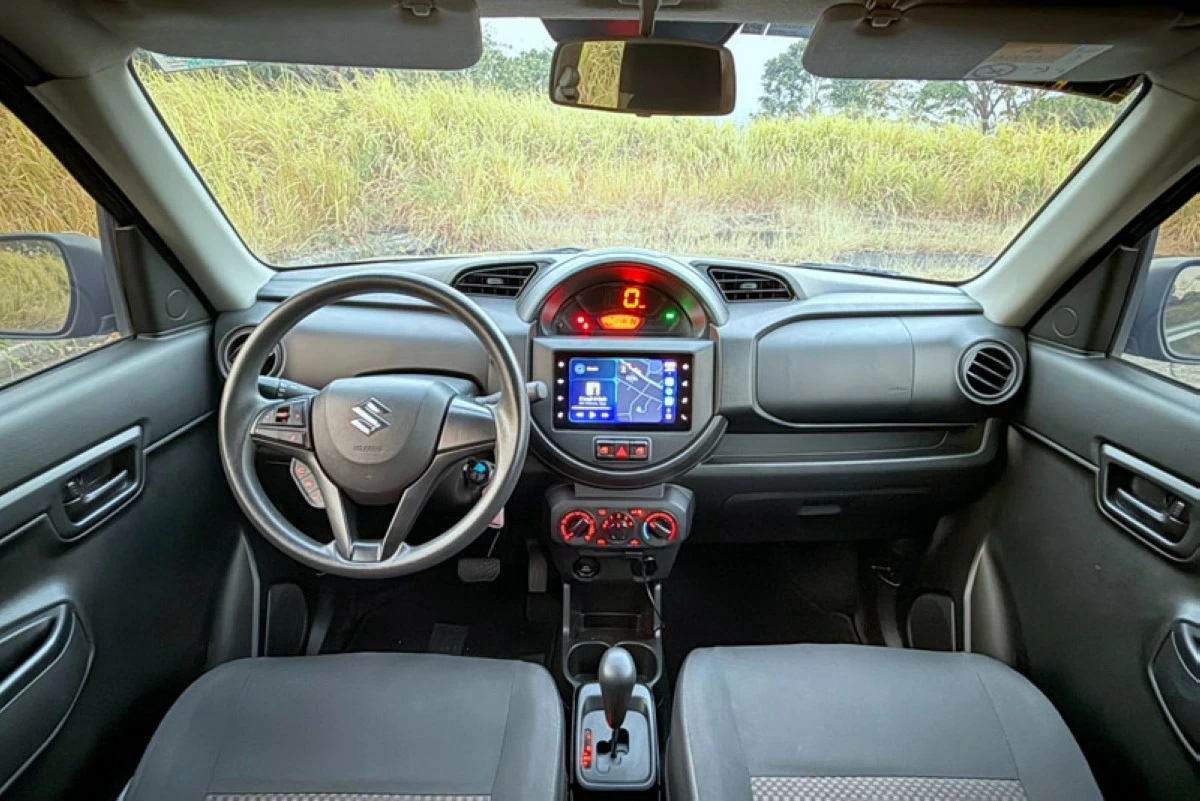
Now let’s talk about fuel, or more specifically, how little of it the S-Presso actually uses. With real-world fuel economy figures hovering around 20 to 22 km/L, our drive up to Baguio had us consume roughly 18.08-kms/liter from Taguig, which was pretty good, as we were absolutely gunning it on Marcos Highway on the way up.
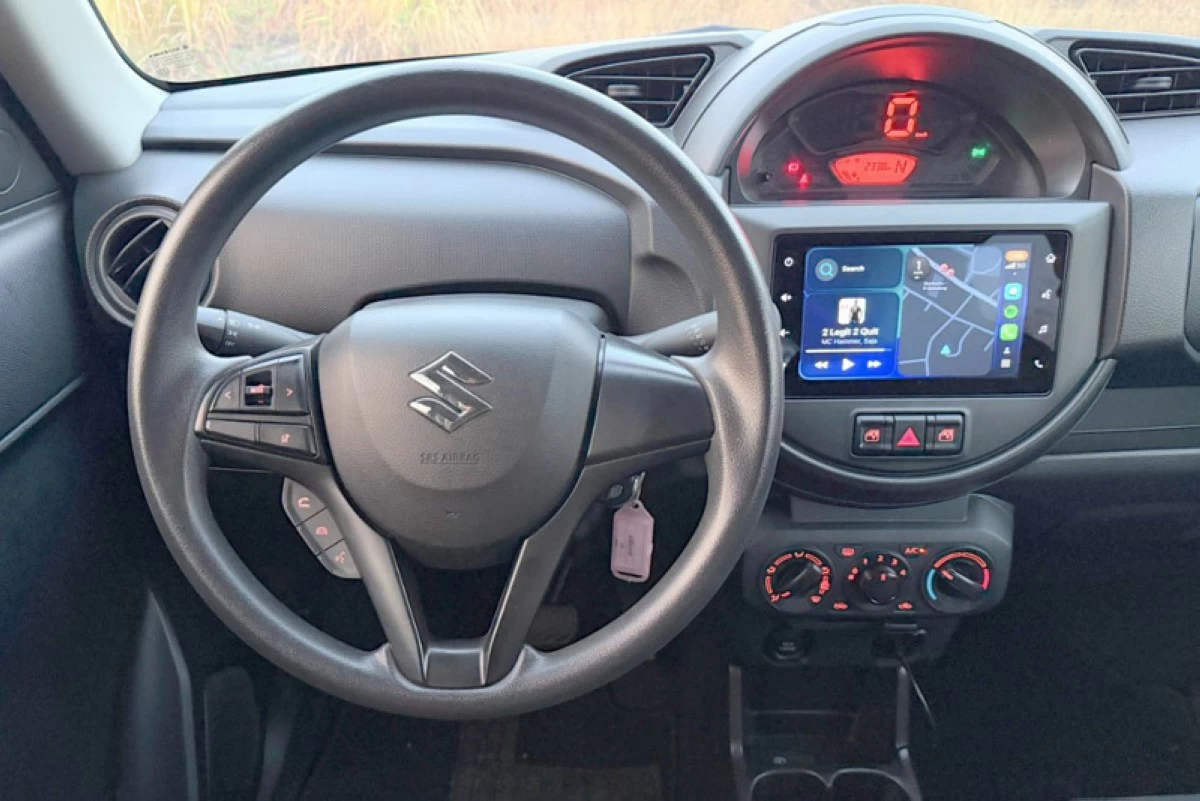
It’s true, the S-Presso sips fuel in a way that makes rising pump prices a little less painful. It’s not immune to fuel hikes, of course, but it’s far less affected than larger, thirstier vehicles. And unlike EVs, which rely on electricity rates that are admittedly still cheaper per kilometer, what the S-Presso does give you is flexibility. You can refuel anywhere, anytime, in minutes.
That last point is crucial. Charging infrastructure in the Philippines is improving, but it’s still far from widespread. Outside major urban centers, charging stations can be few and far between. Even in cities, availability isn’t always guaranteed. Owning an EV often means planning your routes around where you can charge, and more importantly, how long it will take.
The S-Presso eliminates that entirely. A quick stop at any gas station, and you’re back on the road in under five minutes. No apps, no waiting, no second-guessing whether the next charging station is operational.
Then there’s the matter of usage. For most Filipinos, a car is not just for commuting, it’s for everything. Weekend trips out of town, sudden errands, family obligations that may require a long drive at a moment’s notice. EVs in the budget range often come with limited range, which can introduce a layer of hesitation. You start thinking twice about spontaneous trips with friends to Subic or Batangas, calculating distances, how to conserve battery on the drive and where to charge.
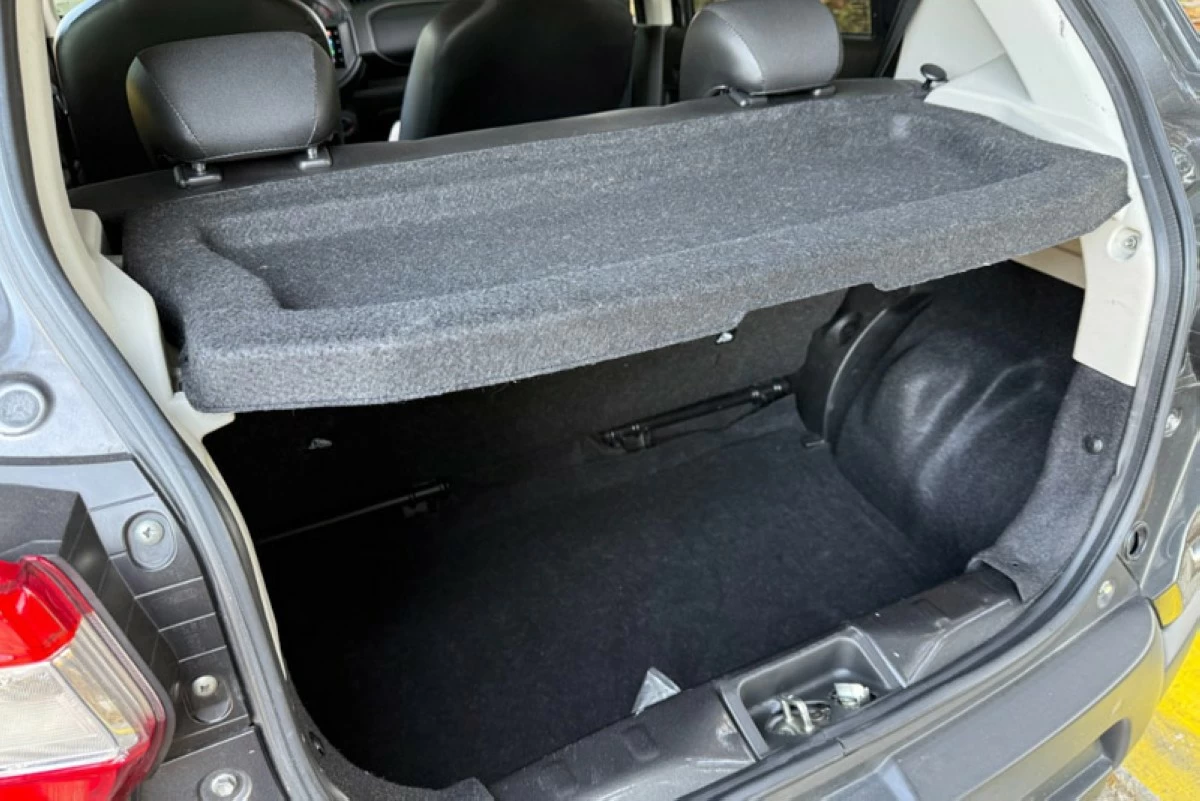
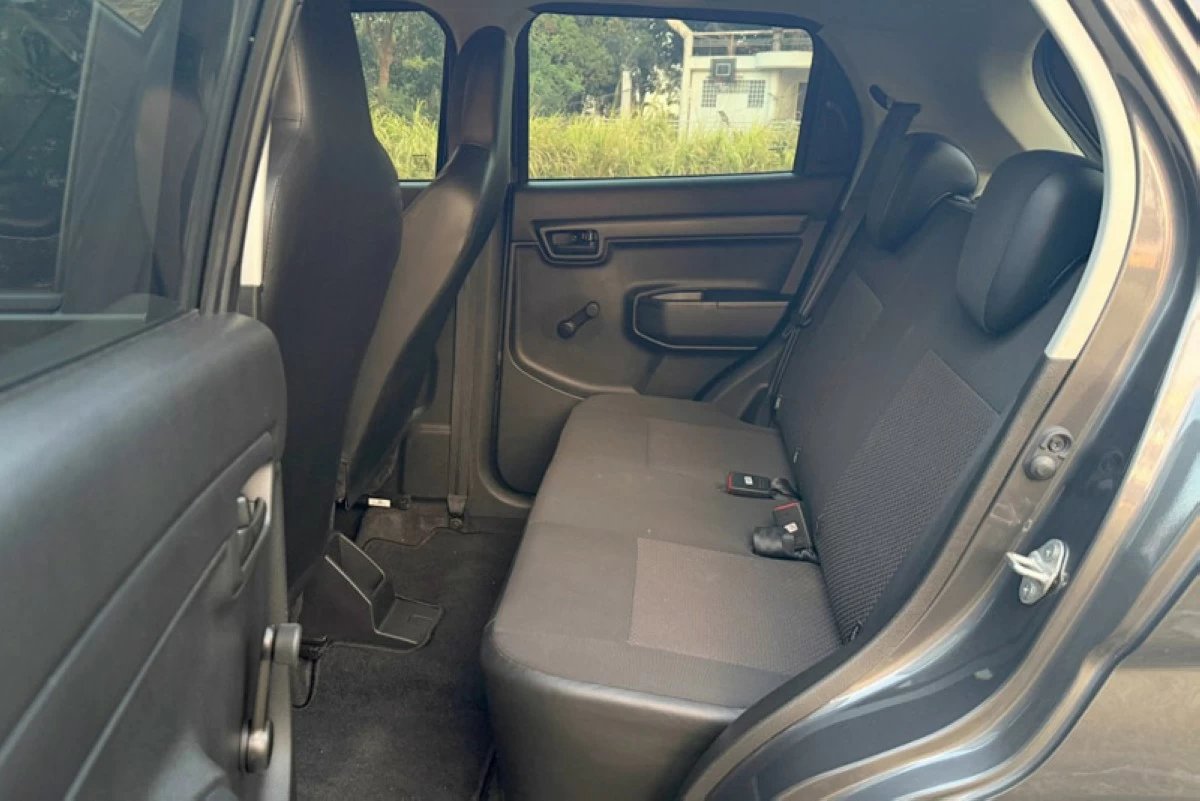
With the S-Presso, you just go. It’s a fundamentally different paradigm. Of course, EVs have their advantages. Lower running costs per kilometer, fewer moving parts, and the undeniable appeal of zero tailpipe emissions. But at this price point, those advantages often come bundled with trade-offs: smaller cabins, limited range, and the need to charge at home.
Small but smart
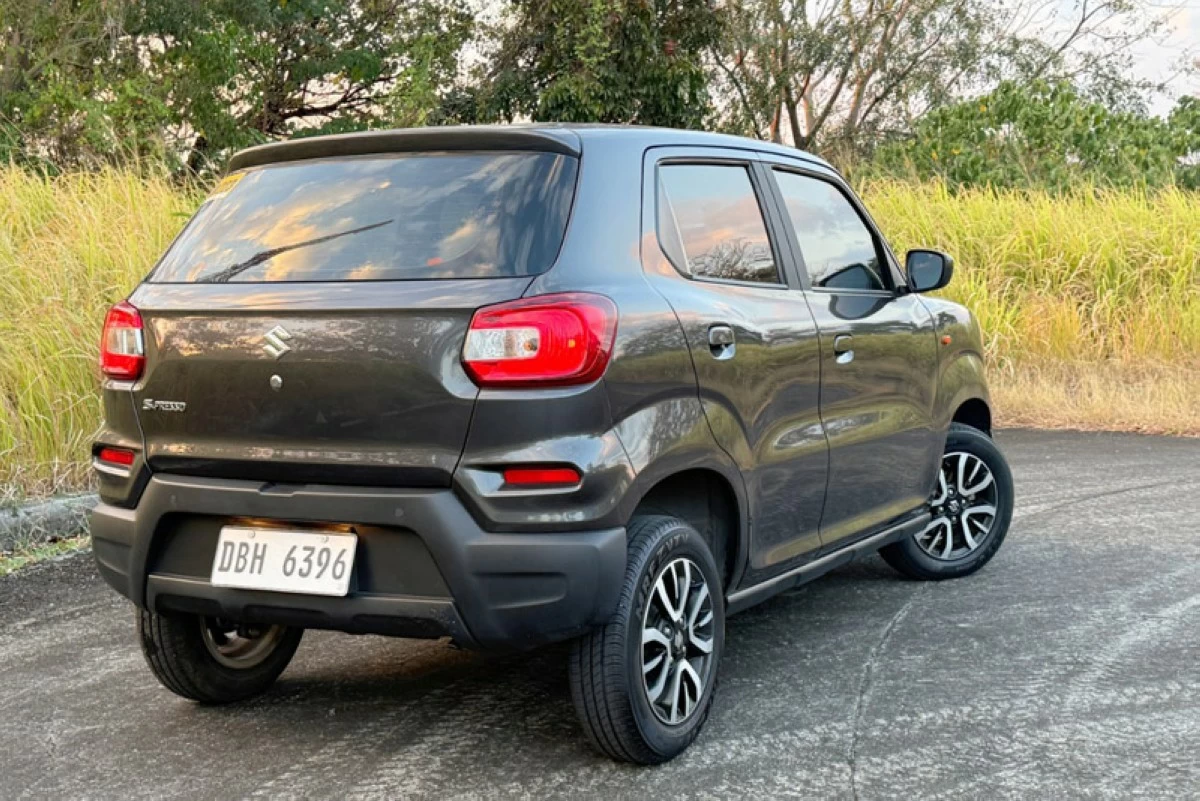
That’s where the S-Presso quietly makes its case. It may not be electric, but it’s efficient enough to keep fuel costs manageable. It may not be high-tech, but it’s dependable in a way that suits the Philippine situation. Narrow streets, tight parking spaces, unpredictable road conditions; the S-Presso thrives in exactly these scenarios. Its compact size and high ground clearance make it surprisingly capable, whether you’re navigating city traffic or on winding provincial roads.
There’s also an honesty to it. The S-Presso doesn’t promise to change the world. It doesn’t position itself as a technological breakthrough. What it does offer is straightforward, no-nonsense mobility at a time when the only certainty is rising fuel costs.
Is it “better” than an electric vehicle? In absolute terms, no. EVs are still the direction the industry is heading. But in the specific context of the Philippines, practicality reigns supreme, the S-Presso AGS makes a compelling argument.
Its not a rejection of the future, but sometimes, the present situation demands simpler solutions. And for Filipinos, that’s more than enough reason to consider it.