






Manila Bulletin
 Philippines
National
'Harmful, ineffective': Experts, advocates call for overhaul of Philippines' drug policy
Philippines
National
'Harmful, ineffective': Experts, advocates call for overhaul of Philippines' drug policy
Philippines
National
'Harmful, ineffective': Experts, advocates call for overhaul of Philippines' drug policy
'Harmful, ineffective': Experts, advocates call for overhaul of Philippines' drug policy
Experts say RA 9165 has fueled stigma and violence instead of promoting care and rehabilitation
By Jel Santos
Published Oct 25, 2025 05:28 pm


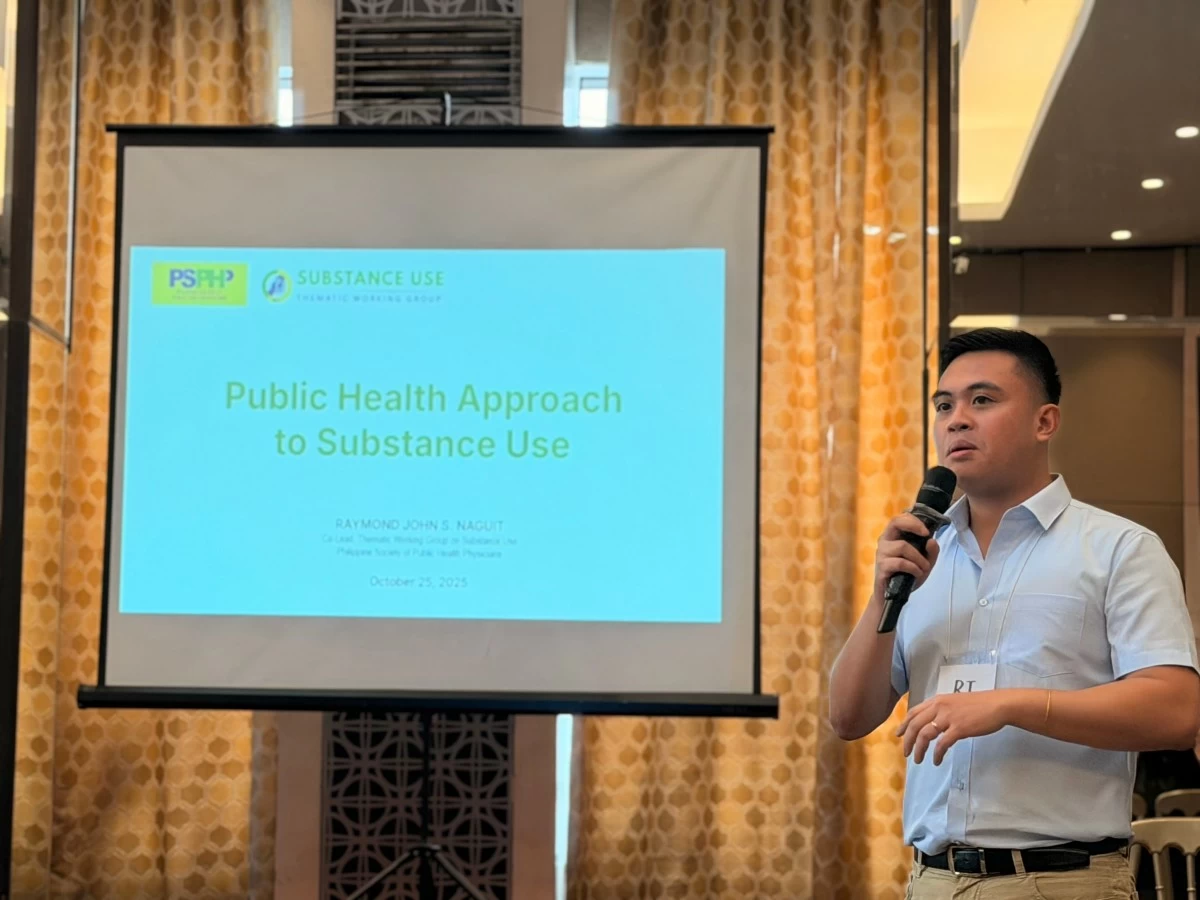
Dr. RJ Naguit (JEL SANTOS/MB PHOTO)
Calling the Republic Act (RA) 9165 or the Comprehensive Dangerous Drugs Act “outdated,” experts and advocates have urged the government to overhaul the law, saying it has done more harm than good to Filipinos.
According to harm reduction advocates and medical professionals, the Philippines’ “war on drugs” strategy under Republic Act No. 9165, now more than 20 years old, has perpetuated punishment for the poor and vulnerable while failing to ensure access to treatment and recovery
“Harm reduction is caring for everyone in the community by meeting people where they’re at,” Arline Santos, executive director of the Institute for Politics and Governance, said at a dialogue in Quezon City on Saturday, Oct. 25
She pointed out that the country has spent years criminalizing drug use, yet the outcome has only been “fear, stigma, and increased violence.”
“It’s time to start seeing people whose lives happen to include drugs as members of our communities, too,” said Santos.
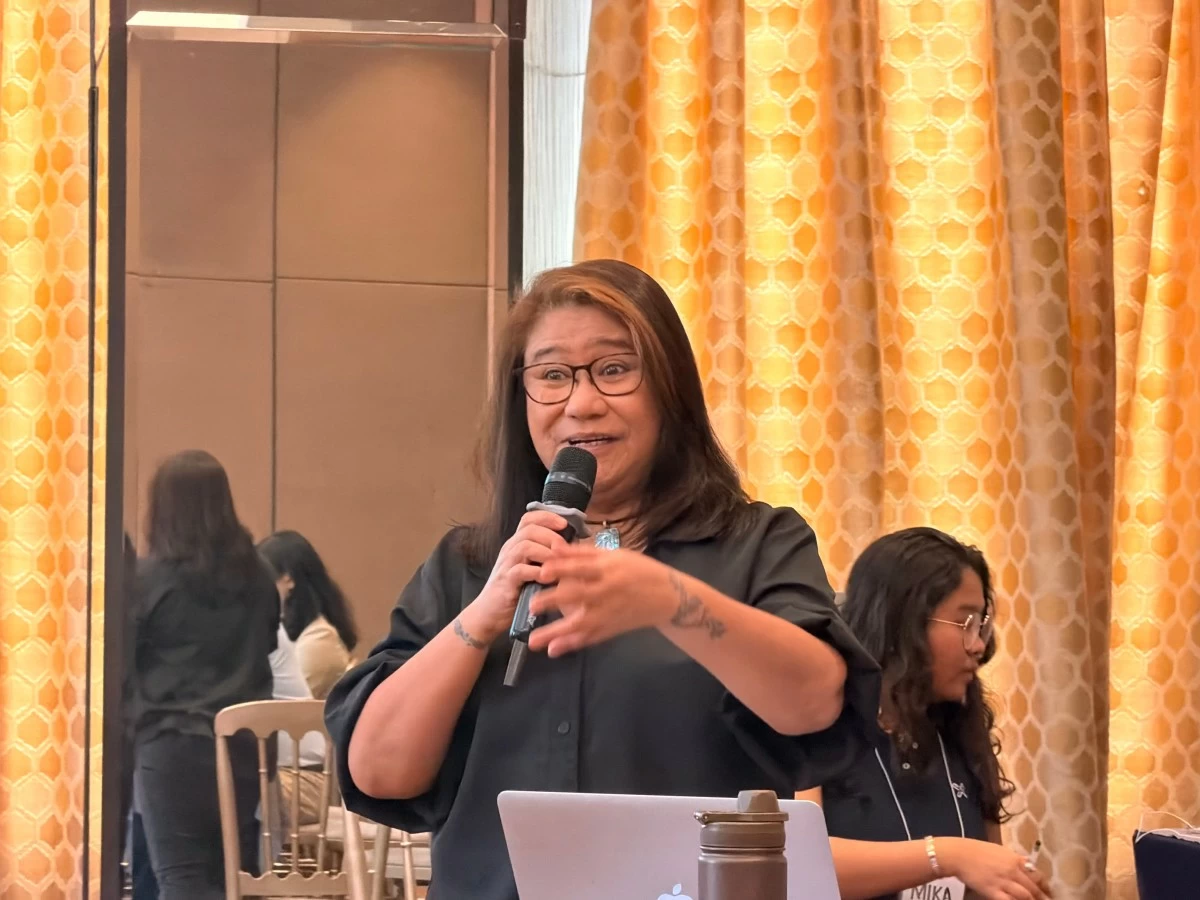
Arline Santos (JEL SANTOS/MB PHOTO)
Dr. RJ Naguit, a public health expert and member of the Philippine Society of Public Health Physicians (PSPHP), cited the Dangerous Drugs Board’s National Household Survey, which reported a national drug use prevalence of 2.05 percent, notably lower than the global average of 5.6 percent recorded by the United Nations Office on Drugs and Crime (UNODC).
“The government’s own data show that the Philippines’ rate of drug use has been below the global average since 2019, yet our response has been disproportionately violent,” he stressed.
He explained that the narrative surrounding the nation’s drug issue has often been overstated to support violent policies, adding that resources should instead be directed toward compassionate, science-backed strategies focused on saving lives.
For her part, Atty. Tetay Mendoza, the convenor of the Drug Policy Reform Initiative, said that people who use drugs continue to be among the most stigmatized and dehumanized groups in Philippine society.
“When our drug laws immediately reduce people to violent criminals rather than citizens, they strip away basic human dignity,” she pointed out.
The current laws, she said, equate drug use with moral failure, and in doing so, “they fail to uphold the rights and dignity of Filipinos. “
“Harm reduction means creating policies that care rather than punish,” she said.
Mendoza underscored that there should be a paradigm shift from punishment to public health, and from exclusion to empathy.
In line with this, House Bill No. 11004, or the proposed Public Health Approach to Drug Use Act of 2024, seeks to institutionalize a public health lens in addressing drug use. The bill proposes to ban arbitrary and unlawful interference with privacy, torture, corporal punishment, and the misrepresentation of information, marking a shift toward rights-based and evidence-driven drug policy reform.