






Manila Bulletin
 Business
The Economy
World Bank, social enterprise groups urge Philippines to boost support for women entrepreneurs in Mindanao
Business
The Economy
World Bank, social enterprise groups urge Philippines to boost support for women entrepreneurs in Mindanao
Business
The Economy
World Bank, social enterprise groups urge Philippines to boost support for women entrepreneurs in Mindanao
World Bank, social enterprise groups urge Philippines to boost support for women entrepreneurs in Mindanao
Published Oct 17, 2025 02:02 pm


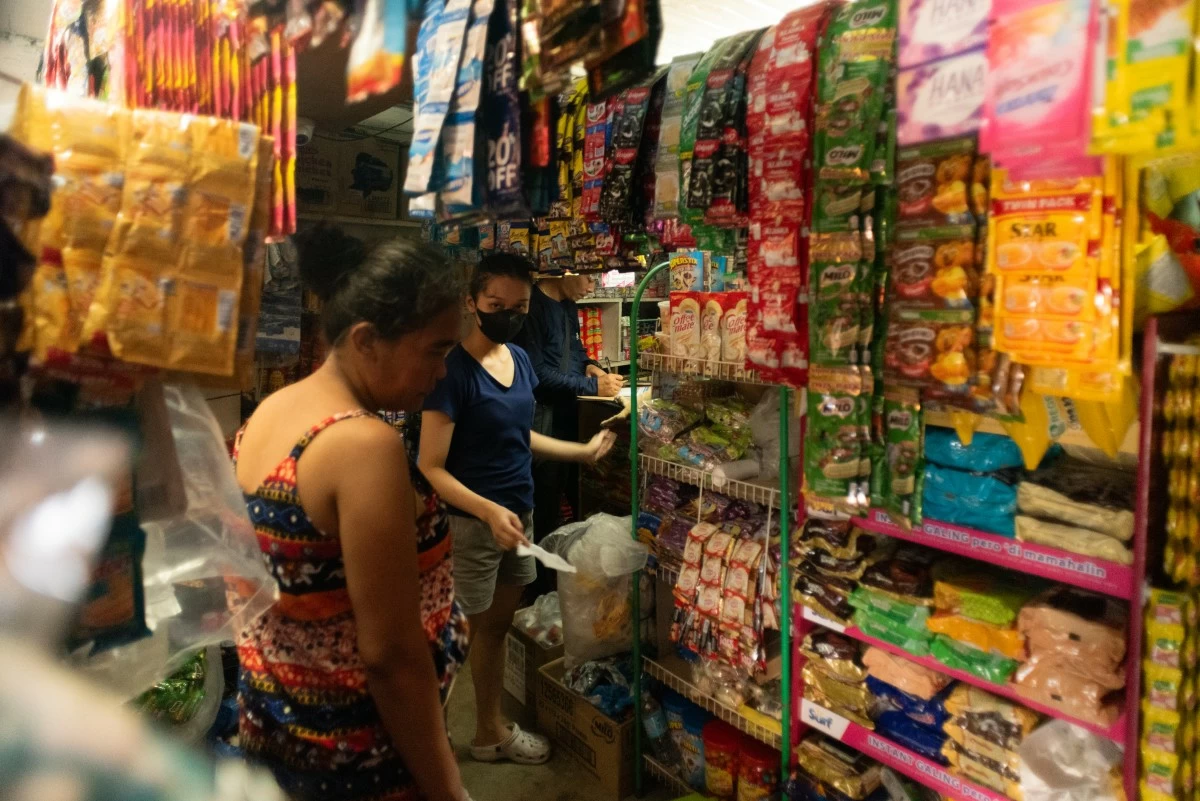
(Packworks photo)
The World Bank (WB) and social enterprise institutions have called on the Philippine government to strengthen social protection, disaster preparedness, and digital and financial inclusion for women nano-entrepreneurs in Mindanao, citing their heightened vulnerability to external shocks such as natural disasters and economic crises.
In a report titled “Resilience of Women Entrepreneurs in Mindanao and the Impact of Access to Finance and Digital Technologies,” published on Oct. 1, the WB, Ateneo Center for Social Entrepreneurship (ACSEnt), and Social Enterprise Development Partnerships Inc. (SEDPI) outlined targeted recommendations to help women-led nano-enterprises build long-term resilience and sustainability.
“By implementing these policy recommendations, the resilience and economic empowerment of women nano-entrepreneurs in Mindanao can be significantly enhanced, ensuring they have the tools and resources necessary to thrive in the face of external shocks,” the report said.
Nano-enterprises are very small-scale businesses, typically even smaller than micro-enterprises. They usually operate with minimal capital, few or no employees, and often rely on family labor. Examples of nano-entrepreneurs include street vendors, home-based food sellers, sari-sari store owners, and online resellers.
The report underscored the crucial role of implementing sectors—such as local government units (LGUs) and microfinance institutions (MFIs)—in enhancing the capacity of women nano-entrepreneurs to withstand external shocks like natural disasters and economic downturns.
“To support and enhance the successful efforts of Filipino women, government programs need to ensure that women are not disproportionately burdened by both economic and household responsibilities,” the report added.
For LGUs, the report highlighted the need to improve early childhood support by ensuring that public daycare centers are adequately staffed with trained personnel, noting that this would allow mothers to leave their children in trusted care, freeing up significant time for them to focus on their businesses and other pursuits.
The report added that enhanced coordination and cooperation are required among the various planning and implementing institutions involved in safety net programs, which are currently fragmented and often overlapping.
The report said the government should make public social insurance programs—such as the state-run Social Security System (SSS), Philippine Health Insurance Corp. (PhilHealth), and Home Development Mutual Fund (HDMF) or Pag-IBIG Fund—more accessible by easing enrollment requirements, simplifying application processes, offering affordable contribution options, and strengthening outreach and education efforts.
This is because the report found that “despite familiarity with SSS, PhilHealth, and Pag-IBIG programs, actual usage remains low due to barriers such as high contribution costs, lack of identity documents, and age eligibility.”
“To enhance the effectiveness of government social insurance, it is essential to expand coverage to explicitly include disasters as insurable events within the government social insurance framework,” it added.
The report further stated that “streamlining and expediting the process for government aid distribution is another crucial step,” emphasizing the need for the government to collect pre-disaster baseline data, conduct disaster preparedness training and information campaigns (IECs), simplify the application process for social safety net claims, and enhance transparency and accountability in aid distribution.
The report added the need for long-term micro-housing loans with zero-percent interest rates and higher loan amounts to help vulnerable groups rebuild their homes after a disaster, ensuring safe and secure shelter.
The report stressed that, together with LGUs, MFIs should support the development of local online marketplaces to give women nano-entrepreneurs access to a broader customer base and new sales channels. This initiative would help facilitate their transition into the digital economy.
Meanwhile, the report recommended that MFIs develop comprehensive digital literacy programs tailored specifically for women nano-entrepreneurs, with a focus on e-commerce and digital marketing skills.
The programs should encourage younger, tech-savvy family members to assist older entrepreneurs who are less familiar with digital technology. Additionally, the report called for a broad information campaign to raise awareness about the importance of savings and insurance—both commercial and traditional—as well as the responsible use of loans.
The report also highlighted that MFIs should develop more comprehensive insurance coverage, such as death, sickness, and disaster protection, with affordable single-premium options.
“This approach would ensure that a broader range of risks are covered, providing greater security for vulnerable populations,” the report said.
The report added that MFIs can be used as conduits for livelihood funds such as grants and non-interest-bearing loans to support economic recovery after disasters.
The report also emphasized that wealthier nations have a responsibility to subsidize or support insurance schemes, recognizing their larger role in global emissions.
Finally, the report noted that “savings have been identified as the fastest and most accessible means for nano-enterprises to cope with disasters.” It recommended that MFIs offer improved savings products that prioritize saving over borrowing, implement flexible withdrawal policies during emergencies, and maintain easy access to savings for clients.
(Ricardo M. Austria)