







Floods and microfinance: What financial inclusion really means
Published Sep 29, 2025 12:05 am
|
Updated Sep 28, 2025 03:48 pm


FROM THE MARGINS
When Typhoons Nando and Opong battered the Philippines in recent weeks, they left behind not only wrecked homes and lost livelihoods, but also the painful reminder that the poorest of the poor pay the highest price. Year after year, billions are allocated for flood control projects, yet systemic corruption drains these funds long before they reach the communities that need them. Levees crumble, drainage remains clogged, and informal settlers living along waterways are left to face the fury of swollen rivers. For these families, rebuilding after disaster is not only about salvaging what is left of their homes —it is about finding the resilience to recover their lives.
After spending decades working in poverty eradication, I have seen one truth borne out time and again: when people are given access to financial tools — credit, savings, training, insurance and community support — they can recover faster. They may not control the weather, nor the corruption in high offices, but with financial inclusion, they gain at least a fighting chance.
Take the story of Gerole De Guzman, who serves as a microfinance unit manager in Pampanga. This unplanned career path began with a church invitation from a friend, a simple call for “direction in life.” That direction eventually led him to Kabalikat Para Sa Maunlad na Buhay, Inc. (KMBI), where he started as a program officer in 2011. At first, he struggled to meet targets – securing 30 clients a month was daunting for a newcomer — but he sought advice and learned to temper difficult client encounters with patience. Fourteen years later, he continues to faithfully serve his clients, who express their appreciation of the opportunities given them by maintaining a 100 percent loan repayment rate.
His story is echoed in the life of Marissa Bermido, who rose through the ranks from program assistant in 2009 to now branch manager in Antipolo, Rizal. She knows what it means to face storms literally: trudging through heavy rains to meet clients, because postponing a meeting could mean delaying a woman’s small store from restocking. She also knows what it means to face storms figuratively: one of her earliest tests came when a center’s collection was stolen in transit. Rather than crumble, Marissa leaned on the trust she had built with her members. Within a week, they managed to repay the full amount, honoring their commitment.
Her sacrifices go beyond duty. When budgets fall short for community events like mass weddings, she quietly covers expenses from her own pocket. Yet, she insists that the true reward comes not from recognition but from seeing smiles of mothers who have found renewed hope. For her, the best legacy is empowering the community and training the next generation who will impact more lives.
Then there is 29-year old Mico Montes, who worked abroad briefly and returned to the Philippines just before the pandemic. He works in the field as a Program Officer — collecting payments, conducting center meetings, and helping clients access loans – in Valenzuela City. At first, he was ignored as he distributed flyers, searching for members. But perseverance paid off and he now has a good relationship with many clients.
Despite some setbacks – like when a client refuses to repay a loan – he remains true to his mission. Inspired by his family, he embraced the deeper call of microfinance: to provide not just financial services, but also community support and training. “Makita lang po namin na umuunlad ang pamumuhay at negosyo ng mga kliyente ay isang katagumpayan para po sa amin,” he says.
From Gerole’s quiet perseverance, to Marissa’s sacrificial leadership, to Mico’s youthful resilience, I see in them what financial inclusion truly means. It is not just about loans, or numbers, or hitting monthly targets. It is about presence during storms — literal and figurative. It is about offering tools to mothers who sell vegetables, fathers who drive tricycles, or young entrepreneurs who dream of something more.
Corruption is a betrayal of the people. But the quiet, everyday integrity of microfinance workers and their clients is a rebuttal. While others siphon billions for themselves, community workers safeguard hundreds of pesos, week by week, to ensure vulnerable families stand on firmer ground. Across the Philippines, thousands of microfinance workers and institutions labor each day to give poor and marginalized people a fair chance at dignity and recovery.
As someone who has walked this path for decades, I believe that financial inclusion is not charity -- it is a basic human right. It is about giving people the means to rebuild their lives, even when the waters rise and the systems fail them. If only our leaders could learn from the dedication of people like Gerole, Marissa, Mico, and others like them, perhaps our nation would weather storms not only with resilience, but with true and lasting strength.
* * *
“Corruption is paid by the poor.” – Pope Francis
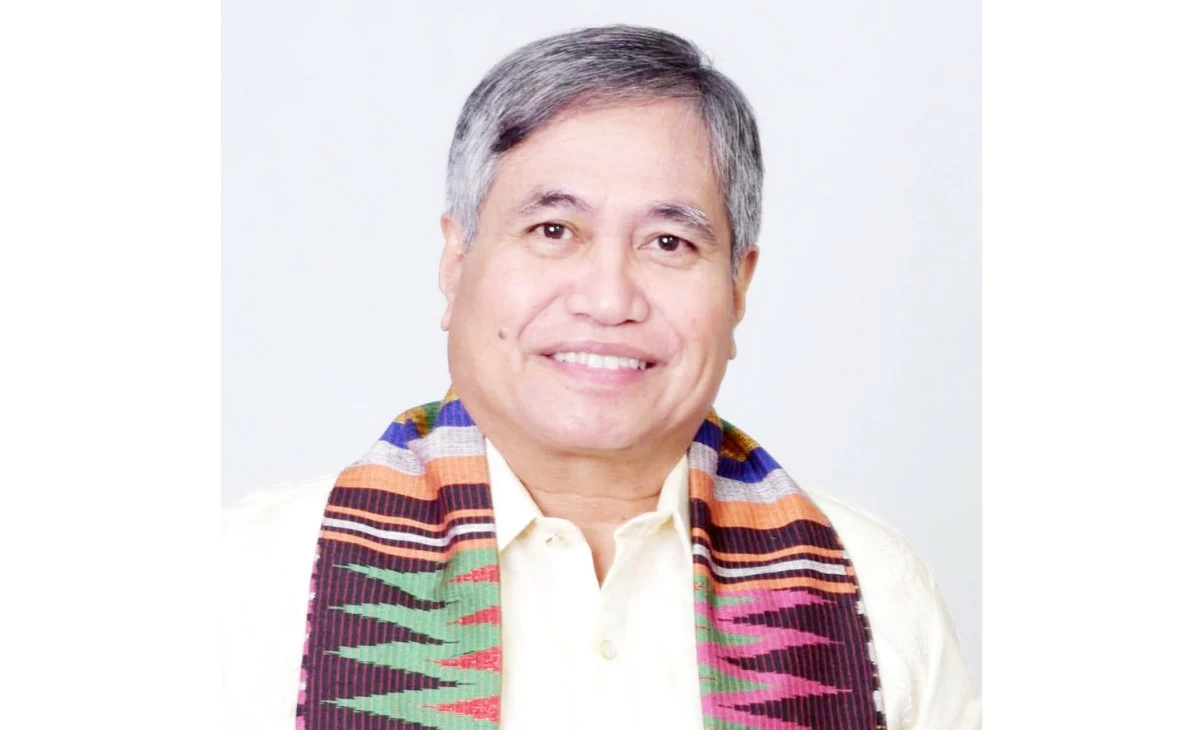
(Dr. Jaime Aristotle B. Alip is a poverty eradication advocate. He is the founder of the Center for Agriculture and Rural Development Mutually-Reinforcing Institutions (CARD MRI), a group of 23 organizations that provide social development services to eight million economically-disadvantaged Filipinos and insure more than 27 million nationwide.)