

ADVERTISEMENT

TikTok's upgraded Family Pairing puts parents in charge

Published Mar 25, 2025 01:26 pm

TikTok has enhanced its Family Pairing feature to address growing concerns about the digital well-being and online safety of teens. These updates provide parents with more options to control and tailor their teens' accounts, helping them to develop balanced digital habits.

Introduced in 2020, the Family Pairing feature allows parents and guardians to link their TikTok account to their teen's. Parents can then customize safety settings according to their preferences. This set of parental controls is designed to help parents and guardians effectively manage their teens' TikTok experience.

Family Pairing includes features such as Screen Time Management, Content and Privacy Controls, among others. These tools are designed to promote healthy digital habits, improve communication between parents and teens, and protect young users from inappropriate content. These features also enable parents to stay connected to their teens' online world without being overbearing, creating a safer and more balanced digital environment for teens.

Since its launch, Tiktok has continuously added new features to Family Pairing. This year's update includes the following enhancements:

1. Time Away Feature - Parents and guardians can use this feature to set screen-free periods, such as during school hours, dinner time, or family gatherings. TikTok understands that sometimes plans can change, so teens have the option to request extra time; however, parents have the final say.

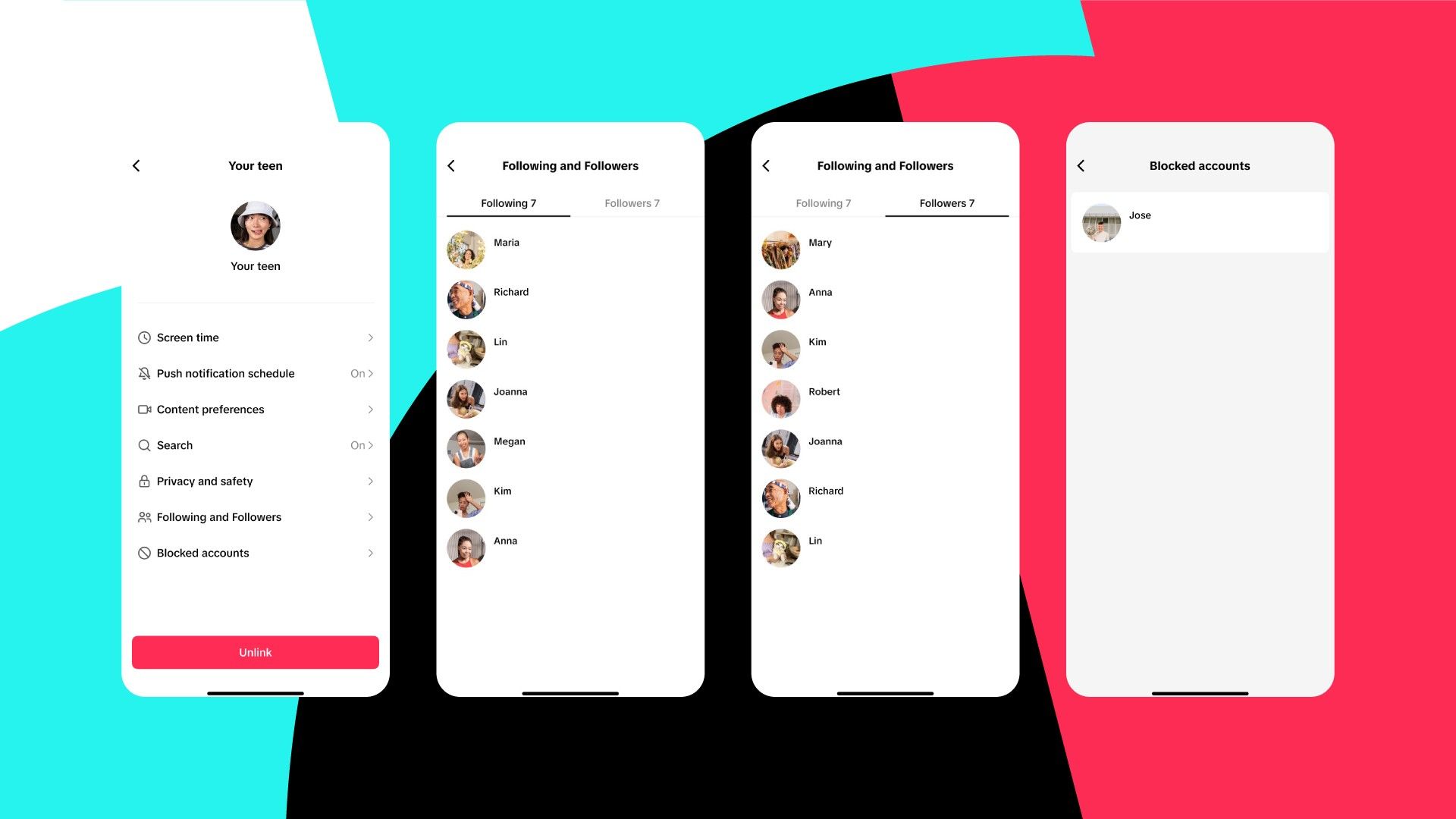
2. Visibility on Followers - This feature fosters open discussions about online interactions. It allows parents to see who their child follows and who follows them. Parents can also view accounts their child has blocked.
TikTok4_KV2.jpg

3. Report Alerts - Teens can notify their parent, caregiver or a trusted adult if they think a video violates TikTok's guidelines. Teens can also notify another trusted adult even if they are not using the Family Pairing feature.

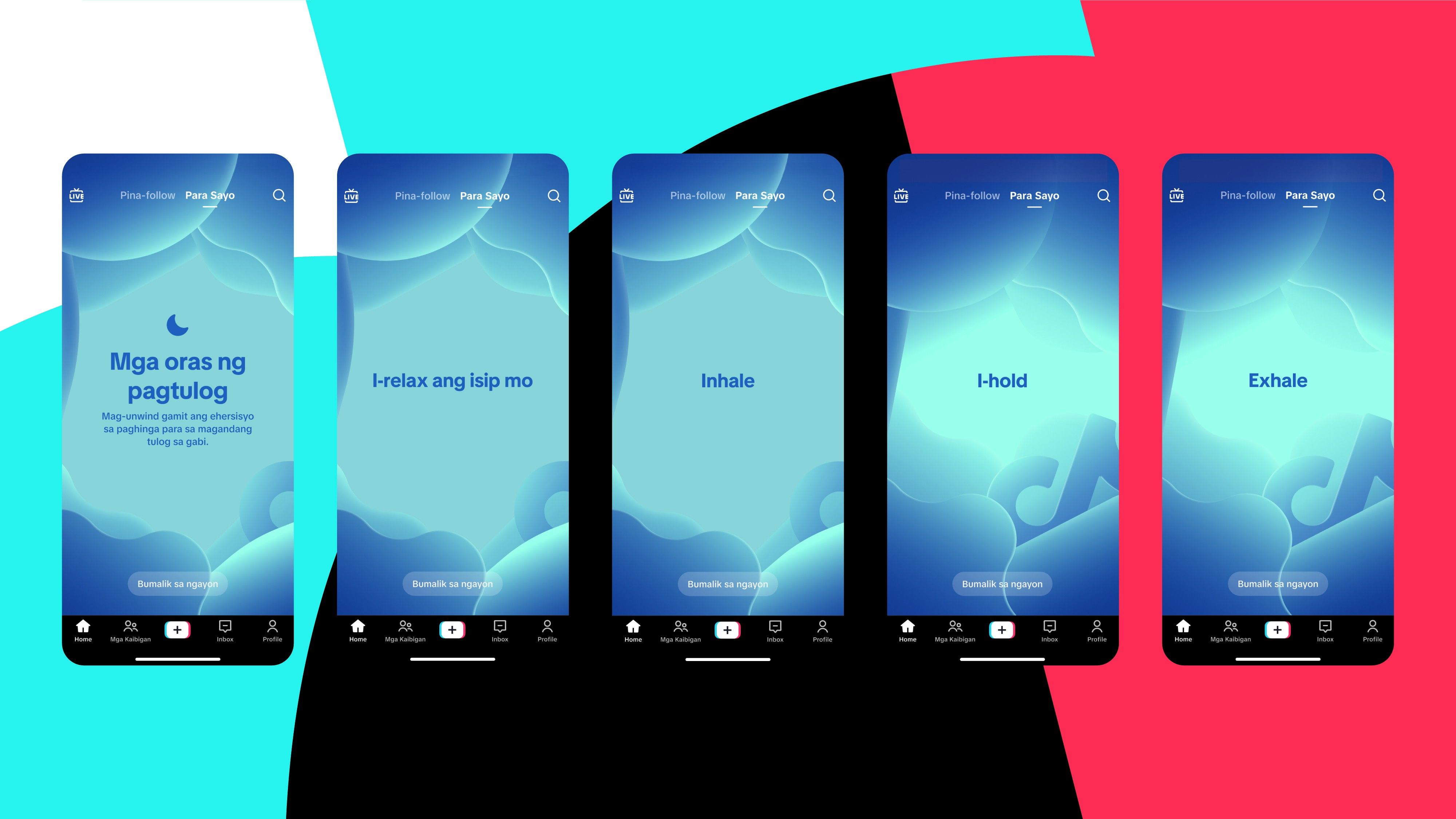
4. Wind Down Feature - TikTok now includes full-screen reminders with accompanied by calming music to remind teens that it is time to switch off at night. This feature helps teens relax and be mindful of the time, encouraging them, especially those under 16 years of age, to log off if they are still on TikTok after 10 PM.
TikTok4_KV3.jpg

5. STEM Feed - Available in over 100 countries, this feature can now be viewed and adjusted by parents if their teens have turned it off. It is a dedicated feed for science, technology, engineering, and mathematics designed to promote educational engagement.

These updates to TikTok's Family Pairing feature provide valuable benefits for parents, enabling them to monitor and manage their teens' content consumption and social interactions. By offering tools to protect teens from inappropriate content, the feature gives parents peace of mind.

Additionally, parents can use these updates to help their teens develop better screen time habits, reducing the risk of overexposure. These features also encourage meaningful conversations between parents and teens about online safety, digital boundaries, and other important topics, fostering trust and understanding.

Related Tags

TikTok
ADVERTISEMENT
.most-popular .layout-ratio{ padding-bottom: 79.13%; } @media (min-width: 768px) and (max-width: 1024px) { .widget-title { font-size: 15px !important; } }

{{ articles_filter_1561_widget.title }}

.most-popular .layout-ratio{ padding-bottom: 79.13%; } @media (min-width: 768px) and (max-width: 1024px) { .widget-title { font-size: 15px !important; } }

{{ articles_filter_1562_widget.title }}

.most-popular .layout-ratio{ padding-bottom: 79.13%; } @media (min-width: 768px) and (max-width: 1024px) { .widget-title { font-size: 15px !important; } }

{{ articles_filter_1563_widget.title }}

{{ articles_filter_1564_widget.title }}

.mb-article-details { position: relative; } .mb-article-details .article-body-preview, .mb-article-details .article-body-summary{ font-size: 17px; line-height: 30px; font-family: "Libre Caslon Text", serif; color: #000; } .mb-article-details .article-body-preview iframe , .mb-article-details .article-body-summary iframe{ width: 100%; margin: auto; } .read-more-background { background: linear-gradient(180deg, color(display-p3 1.000 1.000 1.000 / 0) 13.75%, color(display-p3 1.000 1.000 1.000 / 0.8) 30.79%, color(display-p3 1.000 1.000 1.000) 72.5%); position: absolute; height: 200px; width: 100%; bottom: 0; display: flex; justify-content: center; align-items: center; padding: 0; } .read-more-background a{ color: #000; } .read-more-btn { padding: 17px 45px; font-family: Inter; font-weight: 700; font-size: 18px; line-height: 16px; text-align: center; vertical-align: middle; border: 1px solid black; background-color: white; } .hidden { display: none; }
function initializeAllSwipers() { // Get all hidden inputs with cms_article_id document.querySelectorAll('[id^="cms_article_id_"]').forEach(function (input) { const cmsArticleId = input.value; const articleSelector = '#article-' + cmsArticleId + ' .body_images'; const swiperElement = document.querySelector(articleSelector); if (swiperElement && !swiperElement.classList.contains('swiper-initialized')) { new Swiper(articleSelector, { loop: true, pagination: false, navigation: { nextEl: '#article-' + cmsArticleId + ' .swiper-button-next', prevEl: '#article-' + cmsArticleId + ' .swiper-button-prev', }, }); } }); } setTimeout(initializeAllSwipers, 3000); const intersectionObserver = new IntersectionObserver( (entries) => { entries.forEach((entry) => { if (entry.isIntersecting) { const newUrl = entry.target.getAttribute("data-url"); if (newUrl) { history.pushState(null, null, newUrl); let article = entry.target; // Extract metadata const author = article.querySelector('.author-section').textContent.replace('By', '').trim(); const section = article.querySelector('.section-info ').textContent.replace(' ', ' '); const title = article.querySelector('.article-title h1').textContent; // Parse URL for Chartbeat path format const parsedUrl = new URL(newUrl, window.location.origin); const cleanUrl = parsedUrl.host + parsedUrl.pathname; // Update Chartbeat configuration if (typeof window._sf_async_config !== 'undefined') { window._sf_async_config.path = cleanUrl; window._sf_async_config.sections = section; window._sf_async_config.authors = author; } // Track virtual page view with Chartbeat if (typeof pSUPERFLY !== 'undefined' && typeof pSUPERFLY.virtualPage === 'function') { try { pSUPERFLY.virtualPage({ path: cleanUrl, title: title, sections: section, authors: author }); } catch (error) { console.error('ping error', error); } } // Optional: Update document title if (title && title !== document.title) { document.title = title; } } } }); }, { threshold: 0.1 } ); function showArticleBody(button) { const article = button.closest("article"); const summary = article.querySelector(".article-body-summary"); const body = article.querySelector(".article-body-preview"); const readMoreSection = article.querySelector(".read-more-background"); // Hide summary and read-more section summary.style.display = "none"; readMoreSection.style.display = "none"; // Show the full article body body.classList.remove("hidden"); } document.addEventListener("DOMContentLoaded", () => { let loadCount = 0; // Track how many times articles are loaded const offset = [1, 2, 3, 4, 5, 6, 7, 8, 9, 10]; // Offset values const currentUrl = window.location.pathname.substring(1); let isLoading = false; // Prevent multiple calls if (!currentUrl) { console.log("Current URL is invalid."); return; } const sentinel = document.getElementById("load-more-sentinel"); if (!sentinel) { console.log("Sentinel element not found."); return; } function isSentinelVisible() { const rect = sentinel.getBoundingClientRect(); return ( rect.top < window.innerHeight && rect.bottom >= 0 ); } function onScroll() { if (isLoading) return; if (isSentinelVisible()) { if (loadCount >= offset.length) { console.log("Maximum load attempts reached."); window.removeEventListener("scroll", onScroll); return; } isLoading = true; const currentOffset = offset[loadCount]; window.loadMoreItems().then(() => { let article = document.querySelector('#widget_1690 > div:nth-last-of-type(2) article'); intersectionObserver.observe(article) loadCount++; }).catch(error => { console.error("Error loading more items:", error); }).finally(() => { isLoading = false; }); } } window.addEventListener("scroll", onScroll); });

Sign up by email to receive news.