

ADVERTISEMENT

How to be strong in your older years

Know what it takes to become a healthy elderly

Published Sep 29, 2024 08:14 am

At A Glance

  • If you are still young and reading this article and you wish to be healthy during your senior years, you shouldn't wait until you retire.
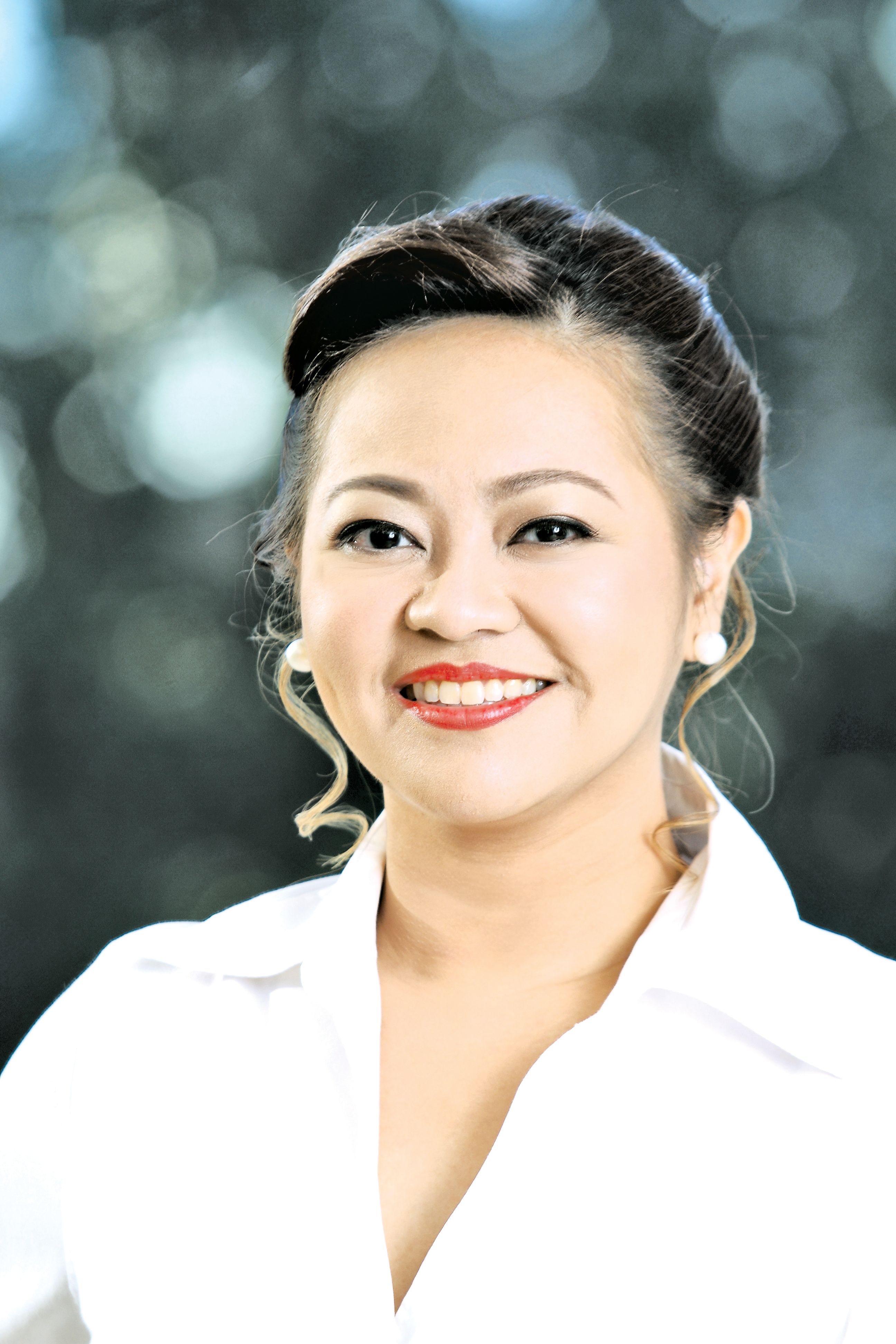
IMG_4337.JPG

“You will go to the grave at a ripe old age, like a sheaf of grain harvested at the proper time!” – Job 5:26


The body ages every second. Aging is something that is inevitable. It precedes death. I don’t know about you but I prefer to be able to walk, have a sharp mind, and feel well until my very last breath if God wills it to be. 


Just like what was written in the Bible, I would like to be harvested at the proper time in my ripe old age. Ripe – fully grown, developed, and mature. We may not be in control of our future but the risk of premature death due to chronic illnesses can be prevented. 


You can also live a quality life in your senior years. My grandmother passed away shortly after she turned 97 in her sleep surrounded by her loved ones. She had a sharp mind and was even able to go to the market and shoot some hoops until she was 96. She had no known chronic illness for almost a century. 


While there may be age related health issues including  the need for reading glasses, some gray hair, and wrinkles, you can have optimum health and look younger than your actual age if you take care of your mental, emotional, spiritual, and physical wellbeing. 


It is ingrained in our culture as Filipinos to respect and take care of our elderly. That is why former president Fidel V. Ramos proclaimed the first week of October to be the Elderly Filipino Week. Proclamation No. 470 was issued on Sept. 26, 1994, to support the wellbeing of the elderly population in the country. To help them live productive and happy lives. 


There are important points to remember when it comes to optimizing health during the older years. 


Don’t neglect your dental appointment.

Nutrition plays a major role in one’s health regardless of age. However, the older adults have a higher risk of malnutrition as a result of dental problems. Loss of teeth, gum disease and painful chewing lead to loss of appetite and inability to get proper nutrition. Malnutrition renders them vulnerable to infection, development of chronic illnesses and weakness. When one is weak, one can no longer be physically active. This is a domino effect that could make the elderly end up confined to his or her bed awaiting the day when it’s time to go home to heaven.


Regularly visit your eye doctor.

Wouldn’t you want to clearly see your loved ones and read your favorite books in your golden years? It’s not just about reading glasses. You need to make sure you don’t develop age-related macular degeneration, cataract and other eye problems. Your vision is important to ensure that you don’t get into any accident that may cause fractures and render you handicapped for the rest of your remaining years. Furthermore, being able to read, write, create, and appreciate art with clear vision will help keep your brain strong. 


Don’t scrimp on physical therapy and strength training.

Aches and pains may arise. That is why you need to seek professional help to relieve you of the pain and inflammation. Physical therapy will help you live a painless life. On the other hand, our muscle mass and bone health declines as we age. We can prevent this by having proper nutrition in combination with strength training exercises at least two times a week. Strength training involves the use of weights and functional training exercises to build muscle mass, strengthen bones and your core (spine). This is the reason why we see senior individuals who can still stand up with their heads held high and their backs straight. Don’t accept the lie that you will be bent as you get older. Only those who have weak bones and core suffer from kyphosis or hunched back. 


Nurture your spiritual health.

Just like getting proper nourishment for the body is important to live a quality life, the soul needs to be fed with God’s word, the Bible. It may get lonely as loved ones leave for eternity. My grandmother cried saying most of her friends are gone. Spend time listening to worship songs, go to church, be with family or support groups that will help you in your spiritual journey. Depression prematurely kills so many people and the elderly are at risk of being depressed. Faith gives hope and direction. It gives meaning to life. We can touch lives at any age if we know our purpose. You are not useless.


Eat life-giving food.

Only plant food sources contain the plant chemicals or phytonutrients that can delay aging and neutralize oxidative stress. Oxidative stress is a process that causes premature aging, accelerated aging process, and development of diseases. While you can have occasional treats, the staples in your diet must be whole food and minimally processed from vegetables including legumes, fruits, and whole grains like oats, rice, and quinoa. In addition, the elderly must be well-hydrated throughout the day. Don’t wait until you are thirsty because the sense of thirst may diminish as we age. Be intentional in drinking water.


If you are still young and reading this article and you wish to be healthy during your senior years, you shouldn’t wait until you retire. Begin to take care of your health now by having a healthy diet, managing stress, nurturing your faith and being physically active.


[email protected]

Related Tags

Lifestyle Health and Wellbeing Cheshire Que
ADVERTISEMENT
.most-popular .layout-ratio{ padding-bottom: 79.13%; } @media (min-width: 768px) and (max-width: 1024px) { .widget-title { font-size: 15px !important; } }

{{ articles_filter_1561_widget.title }}

.most-popular .layout-ratio{ padding-bottom: 79.13%; } @media (min-width: 768px) and (max-width: 1024px) { .widget-title { font-size: 15px !important; } }

{{ articles_filter_1562_widget.title }}

.most-popular .layout-ratio{ padding-bottom: 79.13%; } @media (min-width: 768px) and (max-width: 1024px) { .widget-title { font-size: 15px !important; } }

{{ articles_filter_1563_widget.title }}

{{ articles_filter_1564_widget.title }}

.mb-article-details { position: relative; } .mb-article-details .article-body-preview, .mb-article-details .article-body-summary{ font-size: 17px; line-height: 30px; font-family: "Libre Caslon Text", serif; color: #000; } .mb-article-details .article-body-preview iframe , .mb-article-details .article-body-summary iframe{ width: 100%; margin: auto; } .read-more-background { background: linear-gradient(180deg, color(display-p3 1.000 1.000 1.000 / 0) 13.75%, color(display-p3 1.000 1.000 1.000 / 0.8) 30.79%, color(display-p3 1.000 1.000 1.000) 72.5%); position: absolute; height: 200px; width: 100%; bottom: 0; display: flex; justify-content: center; align-items: center; padding: 0; } .read-more-background a{ color: #000; } .read-more-btn { padding: 17px 45px; font-family: Inter; font-weight: 700; font-size: 18px; line-height: 16px; text-align: center; vertical-align: middle; border: 1px solid black; background-color: white; } .hidden { display: none; }
function initializeAllSwipers() { // Get all hidden inputs with cms_article_id document.querySelectorAll('[id^="cms_article_id_"]').forEach(function (input) { const cmsArticleId = input.value; const articleSelector = '#article-' + cmsArticleId + ' .body_images'; const swiperElement = document.querySelector(articleSelector); if (swiperElement && !swiperElement.classList.contains('swiper-initialized')) { new Swiper(articleSelector, { loop: true, pagination: false, navigation: { nextEl: '#article-' + cmsArticleId + ' .swiper-button-next', prevEl: '#article-' + cmsArticleId + ' .swiper-button-prev', }, }); } }); } setTimeout(initializeAllSwipers, 3000); const intersectionObserver = new IntersectionObserver( (entries) => { entries.forEach((entry) => { if (entry.isIntersecting) { const newUrl = entry.target.getAttribute("data-url"); if (newUrl) { history.pushState(null, null, newUrl); let article = entry.target; // Extract metadata const author = article.querySelector('.author-section').textContent.replace('By', '').trim(); const section = article.querySelector('.section-info ').textContent.replace(' ', ' '); const title = article.querySelector('.article-title h1').textContent; // Parse URL for Chartbeat path format const parsedUrl = new URL(newUrl, window.location.origin); const cleanUrl = parsedUrl.host + parsedUrl.pathname; // Update Chartbeat configuration if (typeof window._sf_async_config !== 'undefined') { window._sf_async_config.path = cleanUrl; window._sf_async_config.sections = section; window._sf_async_config.authors = author; } // Track virtual page view with Chartbeat if (typeof pSUPERFLY !== 'undefined' && typeof pSUPERFLY.virtualPage === 'function') { try { pSUPERFLY.virtualPage({ path: cleanUrl, title: title, sections: section, authors: author }); } catch (error) { console.error('ping error', error); } } // Optional: Update document title if (title && title !== document.title) { document.title = title; } } } }); }, { threshold: 0.1 } ); function showArticleBody(button) { const article = button.closest("article"); const summary = article.querySelector(".article-body-summary"); const body = article.querySelector(".article-body-preview"); const readMoreSection = article.querySelector(".read-more-background"); // Hide summary and read-more section summary.style.display = "none"; readMoreSection.style.display = "none"; // Show the full article body body.classList.remove("hidden"); } document.addEventListener("DOMContentLoaded", () => { let loadCount = 0; // Track how many times articles are loaded const offset = [1, 2, 3, 4, 5, 6, 7, 8, 9, 10]; // Offset values const currentUrl = window.location.pathname.substring(1); let isLoading = false; // Prevent multiple calls if (!currentUrl) { console.log("Current URL is invalid."); return; } const sentinel = document.getElementById("load-more-sentinel"); if (!sentinel) { console.log("Sentinel element not found."); return; } function isSentinelVisible() { const rect = sentinel.getBoundingClientRect(); return ( rect.top < window.innerHeight && rect.bottom >= 0 ); } function onScroll() { if (isLoading) return; if (isSentinelVisible()) { if (loadCount >= offset.length) { console.log("Maximum load attempts reached."); window.removeEventListener("scroll", onScroll); return; } isLoading = true; const currentOffset = offset[loadCount]; window.loadMoreItems().then(() => { let article = document.querySelector('#widget_1690 > div:nth-last-of-type(2) article'); intersectionObserver.observe(article) loadCount++; }).catch(error => { console.error("Error loading more items:", error); }).finally(() => { isLoading = false; }); } } window.addEventListener("scroll", onScroll); });

Sign up by email to receive news.