







Foodies: A son inherits more than a restaurant
While surrounded by his family's passion for food when growing up, his own aspirations initially leaned towards other pursuits


At A Glance
- Photos by Kevin Davis
- Art Direction by Angelo Manalo
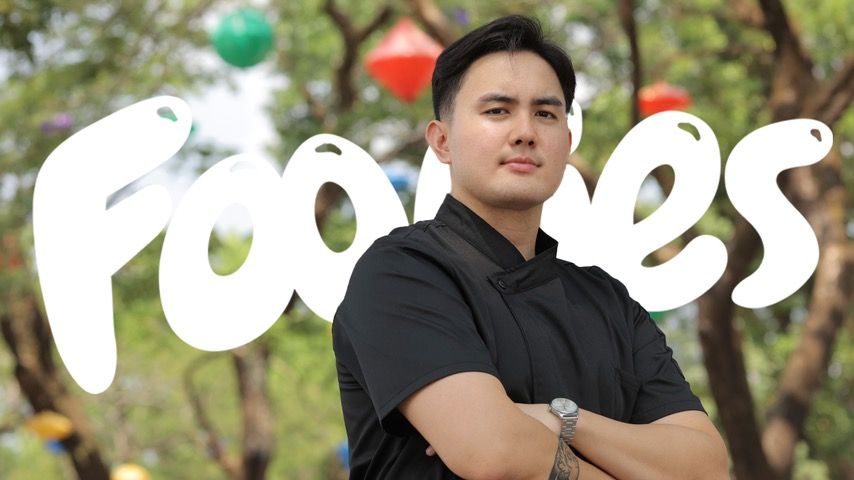
A young chef's journey isn't one born in a prestigious culinary school, but rather amidst the clatter of dishes and the sizzle of grills in a family-run Japanese restaurant.
While chatting with 25-year-old Chef Yoshi Otsuka of Hanakazu, amidst the hustle and bustle of the construction site of their second branch in Pampanga, he takes us back to how his journey began.
He didn’t initially believe he would dedicate his life to the culinary arts, unlike his father, the late Chef Hiroaki Otsuka, who founded Hanakazu in Parañaque City (it's now located at The Bellevue Manila in Muntinlupa City). The restaurant was named after Yoshi’s older sisters – Hana and Kazu. "Now you know who were the favorites," quipped Yoshi. Hanakazu, beloved by families south of Manila, has been serving authentic Japanese cuisine for nearly 20 years.
While surrounded by his family's passion for food when growing up, his own aspirations initially leaned towards other pursuits. "In my early teens, I was more into sports and gaming, like a normal guy. I think I really wanted to go into business management or multimedia arts. I really like art. I love drawing, anime, manga, and comics," shared Chef Yoshi.
The demanding life of a chef, a reality he witnessed in his strict and traditional sushi chef father, held little appeal to him initially. Yoshi continued, “I didn't want to cook because of the lifestyle of a chef. It's all about working long hours, smoking, and drinking. You don't often get to see your family because, yeah, my dad overworked, and I didn't want to become a chef. But now I'm seeing the beauty in it.”
When his father passed away seven years ago, he left behind not just a legacy, but a tangible symbol of it - his knives. This unexpected inheritance became a turning point for Yoshi.
“It was seven years ago on my dad's deathbed that he gave me his knife. And he told me and my sister ‘do what you want to do.’ Because he was the one who started Hazakazu, and he was okay with letting it go. But now, ever since I took up culinary arts in Benilde, I pursued it. I wanted to give it a shot and I ended up loving it. My mom said it came naturally to me.”
Travels and learnings from Japan
The young chef embarked on a culinary odyssey during the last years of his college life. He spent two years in Japan, his father’s homeland, immersing himself in the language and intricacies of Japanese cuisine. Despite the language barrier, he persevered, driven by a newfound passion and the desire to honor his father's legacy.
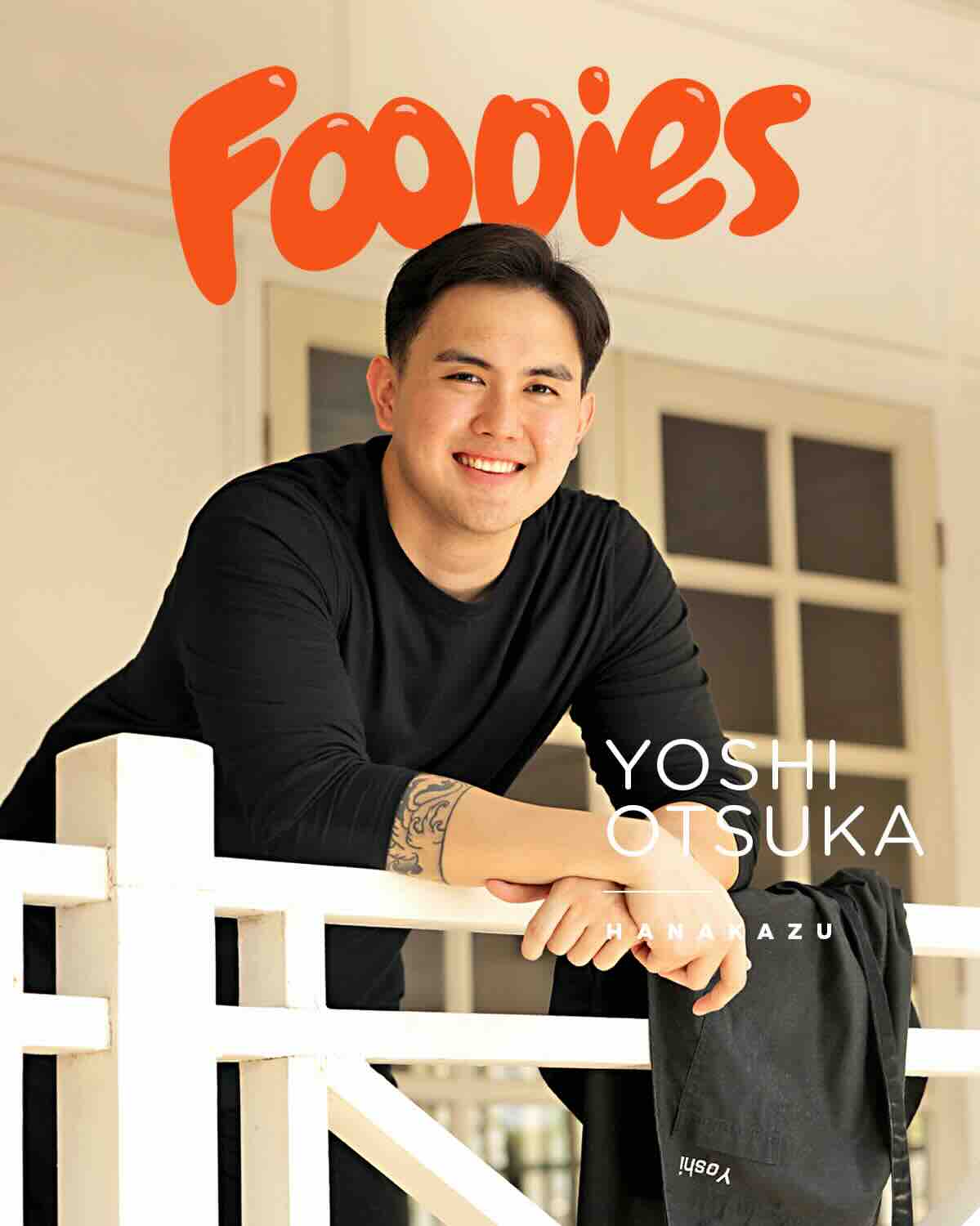
His own father, Hiroaki, embarked on his own odyssey in the early 80’s, when he decided to start a new life in the Philippines. His father grew up in a traditional Japanese family and, according to Yoshi, was a sort of “gangster” during his high school years. His father then skipped college and moved to the Philippines, following the trend in the ‘70s and ‘80s of Japanese people coming and working here in the country.
“He would tell us he ran away from Japan,” Yoshi told us fondly about his father. “We would ask him why he ran away, and he would joke that he ran away from his girlfriend.”
A friend of his father told him about an available job as a chef in a Japanese restaurant in Makati named Kaide. Hiroaki went and accepted the job. After his stint in Kaide, he worked at Tsukiji, a well-known posh Japanese restaurant along Jupiter Street, also in Makati. He was the head chef there for 14 years before starting his own restaurant, Hanakazu, in 2005.
Back to Yoshi, who, in his own odyssey, a sort of homage to his father’s own, went back to his Japanese roots to ignite his culinary exploration.
"The heart of cooking, and especially grilling, which I always wanted to learn more about, really came through my travels in Japan," Yoshi said.
New Hankazu in the north
Back home in the Philippines, he now leads the family restaurant. His approach emphasizes respect for tradition, focusing on fresh ingredients and authentic dishes. While innovation plays a role, staying true to the roots of Japanese cuisine remains paramount.
Most of the Japanese restaurants in the Philippines, according to Yoshi, are either izakayas, where people gather to drink and eat small dishes, or specialize in ramen or katsu, like Yabu and Katsu Sora.
Some restaurants focus solely on yakitori. Only a few, such as Kazunori and the new Tsumura, are truly authentic and serve food across the spectrum of Japanese cuisine. These high-end restaurants are similar to their Hanakazu, but they lower prices significantly, showing that quality Japanese cuisine can be more affordable.
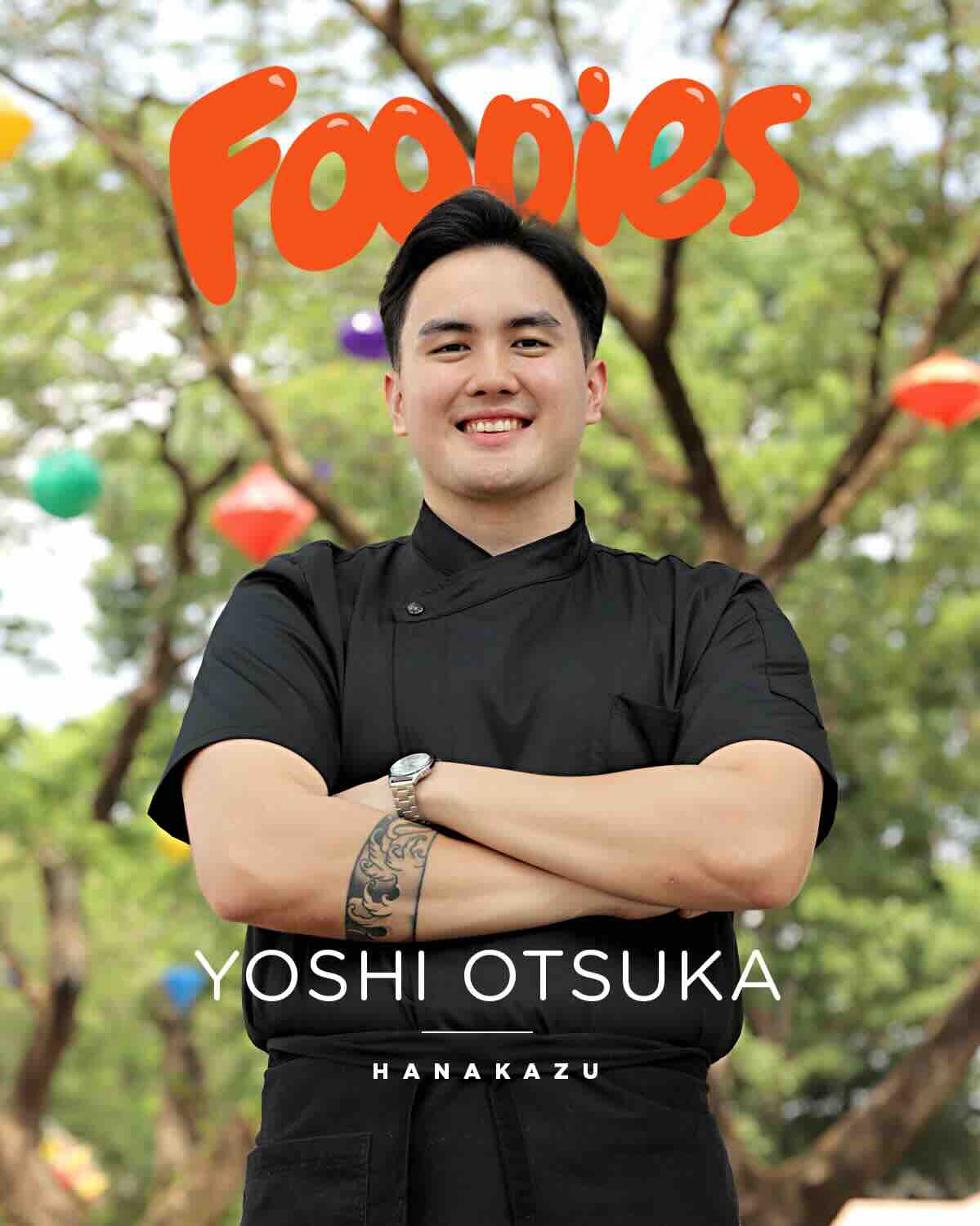
“We're not casual. We're not fine dining. We're in between and more. We're a Japanese family restaurant where the owners are always present, to foster client relationships and make sure the food is good and the service is great,” Yoshi said.
His vision extends beyond the current restaurant. Chef Yoshi is excited to open a new establishment featuring an Omakase-style sushi counter, offering a more interactive and personalized dining experience. The first Hanakazu in Clark, Pampanga, will also have dining spaces in its alfresco courtyard area and a Japanese Zen garden.
Most importantly, he aims to create a welcoming space that embodies the warmth and spirit of a family gathering, just like the one he grew up in at the original Hanakazu.