

ADVERTISEMENT

The way we ate

How this fried chicken restaurant won the hearts of Filipinos

Published May 24, 2024 01:36 am

At A Glance

  • Our choices were very limited. There was only one place for fried chicken, another for foot-long hotdogs, and a fun joint for pizza.

Dining out was a big adventure i n t h e ’6 0 s , long before fast food joints flooded the metropolis. People did not go out to bond. We went out to eat.

Our choices were very limited. There was only one place for fried chicken, another for foot-long hotdogs, and a fun joint for pizza. The fried chicken house proved to be one of the most successful home-grown ventures, thanks to its unique and delicious product which has become part of every Pinoy’s life.
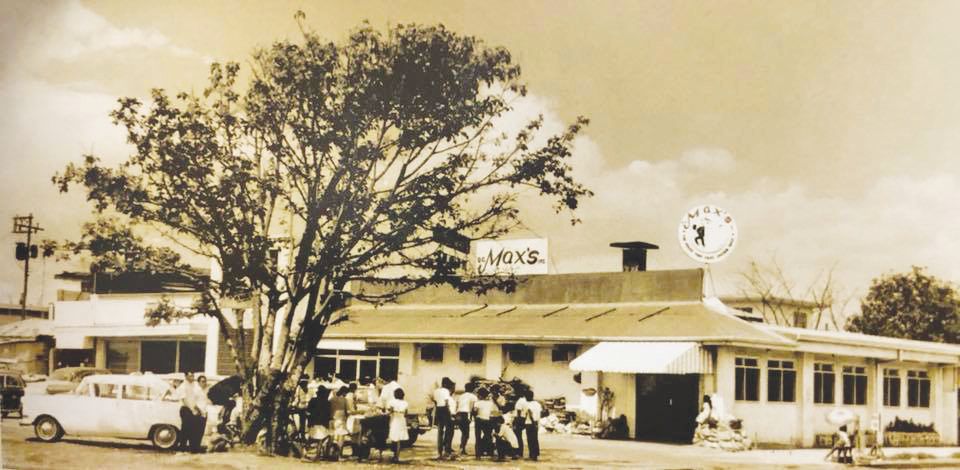
max3.jpg
SIMPLER TIMES Max's Restaurant started operations in 1945 after World War II

Wedding feast

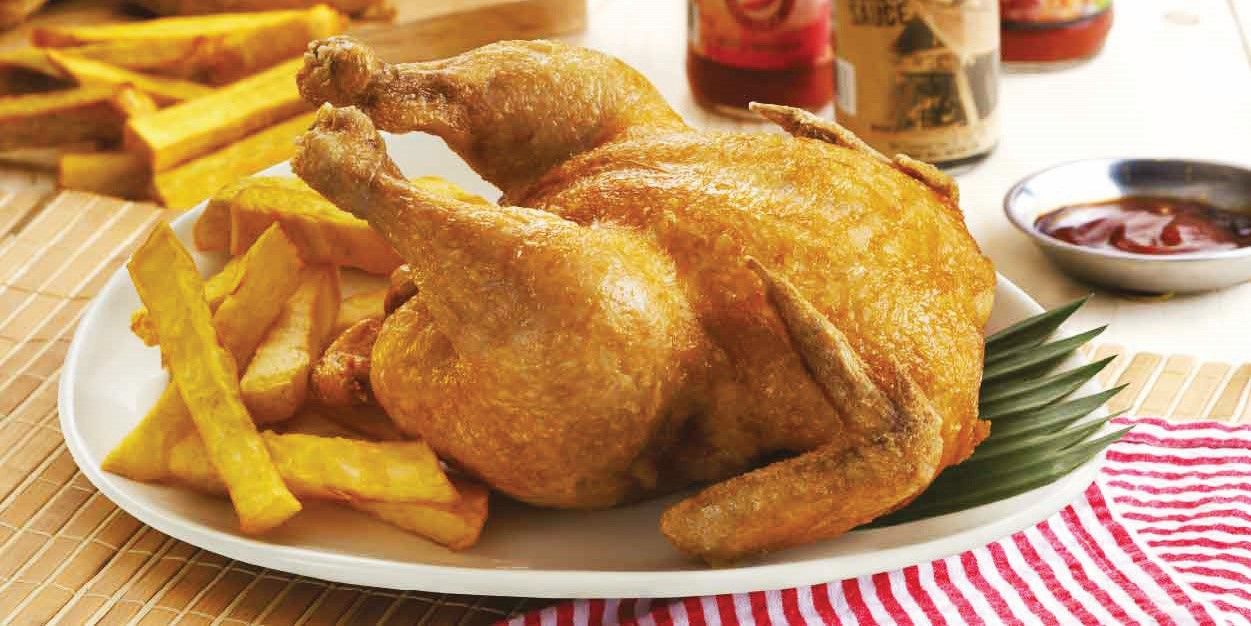
The grandest wedding our barrio saw in the 1950s involved a UST-trained public school teacher and a businessman from Pampanga. They exchanged vows at the Our Lady of Sorrows Church in Pasay City, a popular wedding venue for movie stars and celebrities. E v e r y o n e in our village was invited to the reception at the only restaurant famous for fried chicken: Max’s on Dewey Boulevard beside the Baclaran Redemptorist Church. Each guest was given a whole fried spring chicken. Most of the villagers never had a whole chicken for themselves, so it was really a very big deal. No one finished his chicken; we all asked for doggy bags and took home half.
Page 5.jpg

Tender to the bone

The Max’s fried chicken style has been a favorite of Filipinos, who love the “to the bone” tender, juicy and flavorful chicken with crispy, nonbattered skin. So different from the fast food variety, which sometimes seems to be more flour than chicken.

Secret recipe

A never-ending debate among chicken lovers is the recipe for fried chicken a la Max’s. Many guess a short simmer in 7-Up. Others use Coke. Fry, cool, then deep-fry once more to crisp the skin and cook the meat and bones thoroughly. Blood around the bones is so yucky and unhealthy.
max3333.jpg

kare.jpg
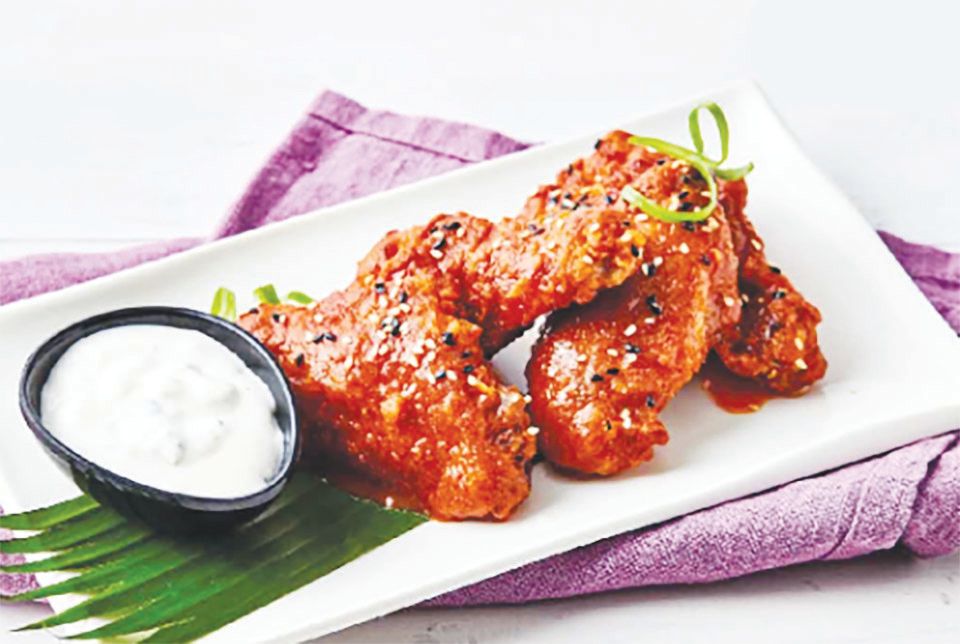
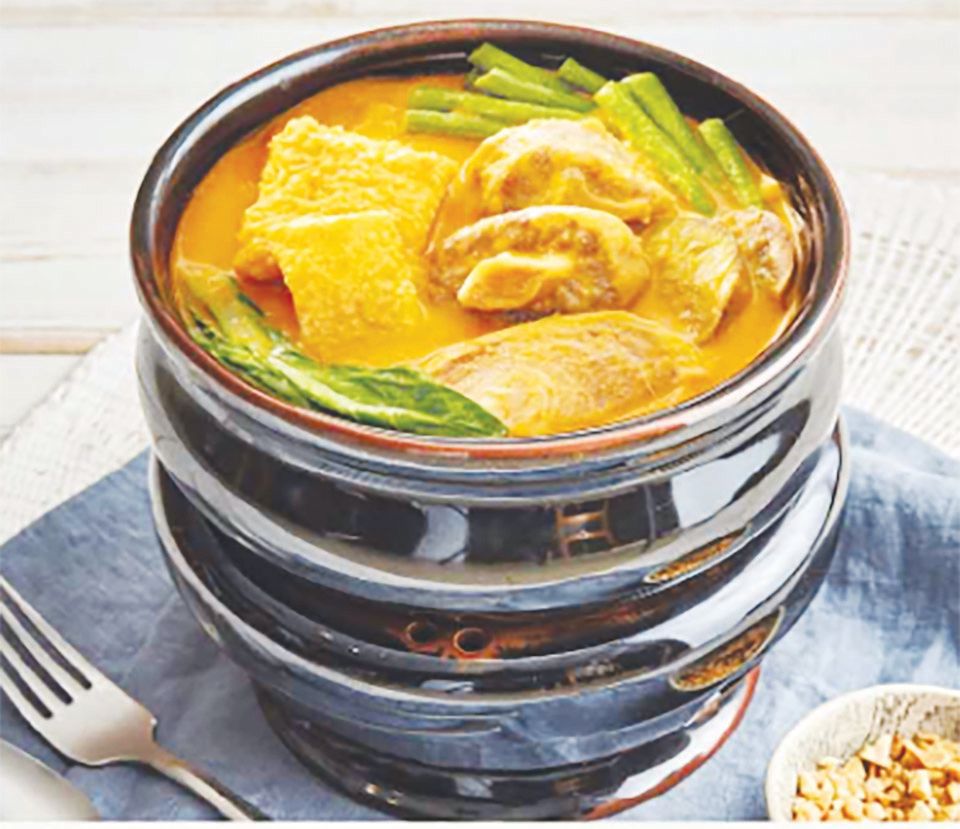
MENU STAPLES Spicy Chicken Wings and Kare-Kare

Big brother

Legend has it that the founder’s wife had some American friends for dinner shortly after World War II who praised her own version of the American classic. Because she used native chicken and not imported US chicken, she marinated and tenderized by steaming them before finally frying them twice. Commercially-raised chicken soon became available, perfect in size and tenderness to produce the fried chicken we now know and love.

Perfect match

Fried chicken and catsup is the American way. It is, too, the Pinoy way but with a difference: we prefer thick, red and sometimes lumpy banana catsup.

Related Tags

Sol Vanzi MB Lifestyle Online
ADVERTISEMENT
.most-popular .layout-ratio{ padding-bottom: 79.13%; } @media (min-width: 768px) and (max-width: 1024px) { .widget-title { font-size: 15px !important; } }

{{ articles_filter_1561_widget.title }}

.most-popular .layout-ratio{ padding-bottom: 79.13%; } @media (min-width: 768px) and (max-width: 1024px) { .widget-title { font-size: 15px !important; } }

{{ articles_filter_1562_widget.title }}

.most-popular .layout-ratio{ padding-bottom: 79.13%; } @media (min-width: 768px) and (max-width: 1024px) { .widget-title { font-size: 15px !important; } }

{{ articles_filter_1563_widget.title }}

{{ articles_filter_1564_widget.title }}

.mb-article-details { position: relative; } .mb-article-details .article-body-preview, .mb-article-details .article-body-summary{ font-size: 17px; line-height: 30px; font-family: "Libre Caslon Text", serif; color: #000; } .mb-article-details .article-body-preview iframe , .mb-article-details .article-body-summary iframe{ width: 100%; margin: auto; } .read-more-background { background: linear-gradient(180deg, color(display-p3 1.000 1.000 1.000 / 0) 13.75%, color(display-p3 1.000 1.000 1.000 / 0.8) 30.79%, color(display-p3 1.000 1.000 1.000) 72.5%); position: absolute; height: 200px; width: 100%; bottom: 0; display: flex; justify-content: center; align-items: center; padding: 0; } .read-more-background a{ color: #000; } .read-more-btn { padding: 17px 45px; font-family: Inter; font-weight: 700; font-size: 18px; line-height: 16px; text-align: center; vertical-align: middle; border: 1px solid black; background-color: white; } .hidden { display: none; }
function initializeAllSwipers() { // Get all hidden inputs with cms_article_id document.querySelectorAll('[id^="cms_article_id_"]').forEach(function (input) { const cmsArticleId = input.value; const articleSelector = '#article-' + cmsArticleId + ' .body_images'; const swiperElement = document.querySelector(articleSelector); if (swiperElement && !swiperElement.classList.contains('swiper-initialized')) { new Swiper(articleSelector, { loop: true, pagination: false, navigation: { nextEl: '#article-' + cmsArticleId + ' .swiper-button-next', prevEl: '#article-' + cmsArticleId + ' .swiper-button-prev', }, }); } }); } setTimeout(initializeAllSwipers, 3000); const intersectionObserver = new IntersectionObserver( (entries) => { entries.forEach((entry) => { if (entry.isIntersecting) { const newUrl = entry.target.getAttribute("data-url"); if (newUrl) { history.pushState(null, null, newUrl); let article = entry.target; // Extract metadata const author = article.querySelector('.author-section').textContent.replace('By', '').trim(); const section = article.querySelector('.section-info ').textContent.replace(' ', ' '); const title = article.querySelector('.article-title h1').textContent; // Parse URL for Chartbeat path format const parsedUrl = new URL(newUrl, window.location.origin); const cleanUrl = parsedUrl.host + parsedUrl.pathname; // Update Chartbeat configuration if (typeof window._sf_async_config !== 'undefined') { window._sf_async_config.path = cleanUrl; window._sf_async_config.sections = section; window._sf_async_config.authors = author; } // Track virtual page view with Chartbeat if (typeof pSUPERFLY !== 'undefined' && typeof pSUPERFLY.virtualPage === 'function') { try { pSUPERFLY.virtualPage({ path: cleanUrl, title: title, sections: section, authors: author }); } catch (error) { console.error('ping error', error); } } // Optional: Update document title if (title && title !== document.title) { document.title = title; } } } }); }, { threshold: 0.1 } ); function showArticleBody(button) { const article = button.closest("article"); const summary = article.querySelector(".article-body-summary"); const body = article.querySelector(".article-body-preview"); const readMoreSection = article.querySelector(".read-more-background"); // Hide summary and read-more section summary.style.display = "none"; readMoreSection.style.display = "none"; // Show the full article body body.classList.remove("hidden"); } document.addEventListener("DOMContentLoaded", () => { let loadCount = 0; // Track how many times articles are loaded const offset = [1, 2, 3, 4, 5, 6, 7, 8, 9, 10]; // Offset values const currentUrl = window.location.pathname.substring(1); let isLoading = false; // Prevent multiple calls if (!currentUrl) { console.log("Current URL is invalid."); return; } const sentinel = document.getElementById("load-more-sentinel"); if (!sentinel) { console.log("Sentinel element not found."); return; } function isSentinelVisible() { const rect = sentinel.getBoundingClientRect(); return ( rect.top < window.innerHeight && rect.bottom >= 0 ); } function onScroll() { if (isLoading) return; if (isSentinelVisible()) { if (loadCount >= offset.length) { console.log("Maximum load attempts reached."); window.removeEventListener("scroll", onScroll); return; } isLoading = true; const currentOffset = offset[loadCount]; window.loadMoreItems().then(() => { let article = document.querySelector('#widget_1690 > div:nth-last-of-type(2) article'); intersectionObserver.observe(article) loadCount++; }).catch(error => { console.error("Error loading more items:", error); }).finally(() => { isLoading = false; }); } } window.addEventListener("scroll", onScroll); });

Sign up by email to receive news.