ADVERTISEMENT

A warm place that knows our name

Published Dec 10, 2024 04:19 pm

OFF THE BEATEN PATH

GOYO.jpg

Dear every Filipino traveler:

We have officially reached the month of homecomings. As you plan your journey home, by air, land, sea or waves of memory for the known limits of reality, may every road be safe and heartwarming. It is bittersweet enough that the demands of modern life often confine us to scheduled visits and distant greetings.


Distance, as they say, speaks a language of its own. With many traveling throughout the whole year, from some who spend months away from their family, to others who live with their family, but who are effectively detached from their family, because of the demands of work, spending almost all the time of their waking hours commuting to work, working in the office, and spending a considerable time heading back for home. A daily routine that prevents them from spending quality time with their family.


For Filipinos who haven’t been able to spend as much time with their families, this is the time to set aside precious days and plan to make up for lost time. While others will choose to travel, either locally or to other countries, others, will simply choose to stay home. I believe, it’s not really where you end up spending the holiday, but rather, who you spend it with.


Friedrich Engels, in his seminal work “The Origin of the Family, Private Property and he State,” posited that the modern family, characterized by patriarchal monogamy, emerged as a mechanism to ensure the inheritance of property. This perspective challenges the romanticized notion of family as a harmonious unit, revealing its complex and often oppressive nature. What are your thoughts on this? Consider the societal context of the late 19th century.


Another thing, have we noticed — at least based on our limited observation — that the size of Filipino families are decreasing? This significant demographic shift in the country is confirmed by a recent study from the Commission on Population and Development (POPCOM) revealing that the average number of children per Filipino family has dipped below two. A phenomenon that’s not only happening in the Philippines, but other countries in Asia as well.


Coming from a perspective of someone who grew up with families having several children, one must wonder if the choice to have fewer children now is because of a more complicated life we have today, as from just over a couple of decades ago. From a time where many families had one parent working, to a time where most families have both parents working, sometimes juggling several jobs and businesses at a time. We have shifted to a new view as to what a family looks like.


Despite its historical and sociological complexities, the family endures as an indispensable force in shaping individual lives and societies. It is within the family that we internalize cultural norms and form behaviors. Plainly stated, the early relationships introduced to us in this basic unit of society form our concepts of love and trust. Never forget that the privilege of belonging to a nurturing family is not a given for all individuals. Some only cling to memories; others never had the ideal kind and strive to create the conditions for one. Bound by no season and needless of any occasion, it is only fitting to reflect on the multifaceted nature of family and its enduring significance. Speaking at least for some members of my generation, it can simply start with an old-fashioned call.


As citizens exercising our right to self-determination, it helps to realize that whatever communal and national capacities we develop are in fundamental ways determined by the warm place that knows our name.

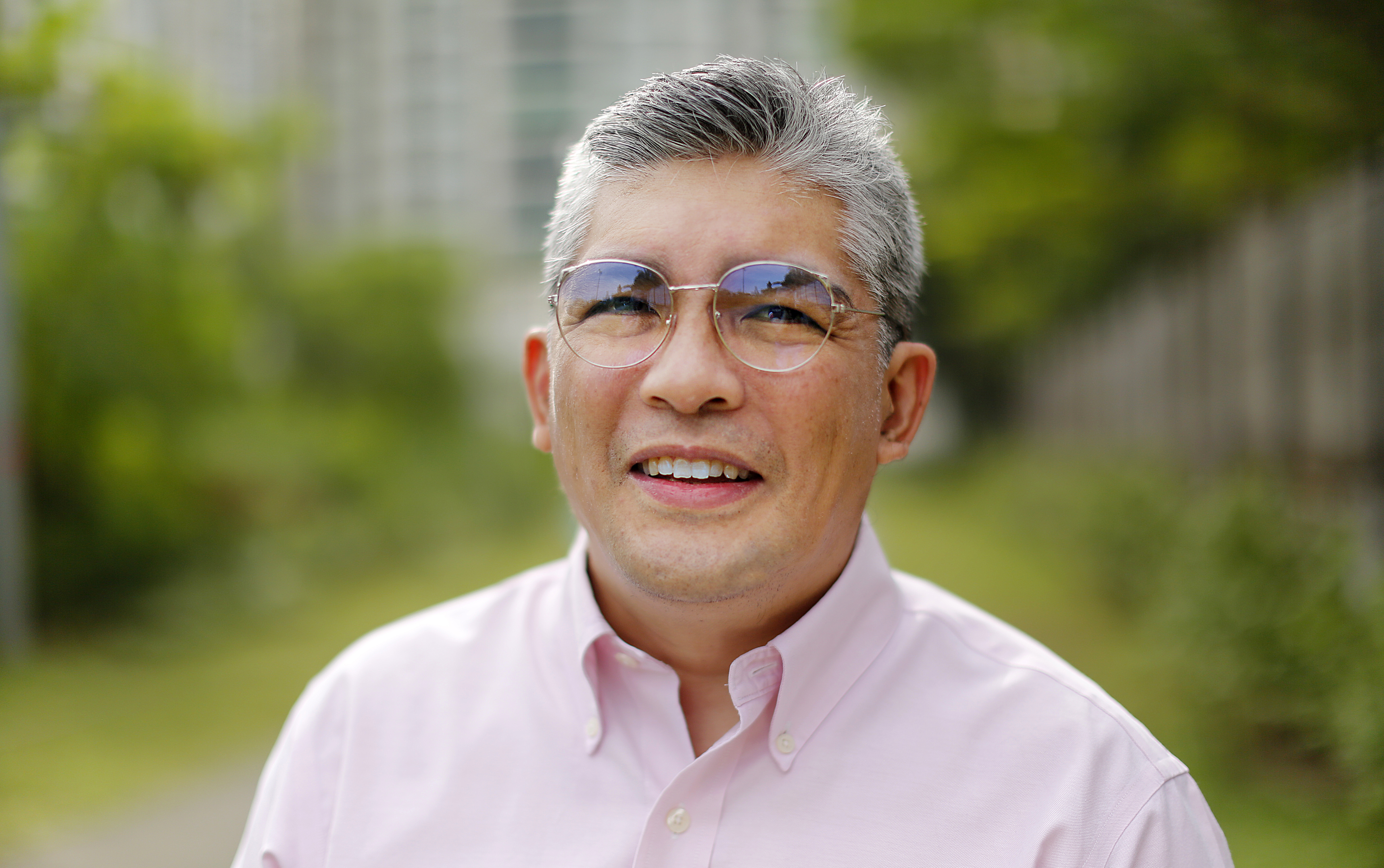
(The author is a former Comelec commissioner. He is a pioneer of automated elections being a member of the Commission that successfully modernized Philippine elections in 2010. He remains involved in public service as an election lawyer. Email: [email protected])

Related Tags

Atty. Gregorio Y. Larrazabal OFF THE BEATEN PATH
ADVERTISEMENT
.most-popular .layout-ratio{ padding-bottom: 79.13%; } @media (min-width: 768px) and (max-width: 1024px) { .widget-title { font-size: 15px !important; } }

{{ articles_filter_1561_widget.title }}

.most-popular .layout-ratio{ padding-bottom: 79.13%; } @media (min-width: 768px) and (max-width: 1024px) { .widget-title { font-size: 15px !important; } }

{{ articles_filter_1562_widget.title }}

.most-popular .layout-ratio{ padding-bottom: 79.13%; } @media (min-width: 768px) and (max-width: 1024px) { .widget-title { font-size: 15px !important; } }

{{ articles_filter_1563_widget.title }}

{{ articles_filter_1564_widget.title }}

.mb-article-details { position: relative; } .mb-article-details .article-body-preview, .mb-article-details .article-body-summary{ font-size: 17px; line-height: 30px; font-family: "Libre Caslon Text", serif; color: #000; } .mb-article-details .article-body-preview iframe , .mb-article-details .article-body-summary iframe{ width: 100%; margin: auto; } .read-more-background { background: linear-gradient(180deg, color(display-p3 1.000 1.000 1.000 / 0) 13.75%, color(display-p3 1.000 1.000 1.000 / 0.8) 30.79%, color(display-p3 1.000 1.000 1.000) 72.5%); position: absolute; height: 200px; width: 100%; bottom: 0; display: flex; justify-content: center; align-items: center; padding: 0; } .read-more-background a{ color: #000; } .read-more-btn { padding: 17px 45px; font-family: Inter; font-weight: 700; font-size: 18px; line-height: 16px; text-align: center; vertical-align: middle; border: 1px solid black; background-color: white; } .hidden { display: none; }
function initializeAllSwipers() { // Get all hidden inputs with cms_article_id document.querySelectorAll('[id^="cms_article_id_"]').forEach(function (input) { const cmsArticleId = input.value; const articleSelector = '#article-' + cmsArticleId + ' .body_images'; const swiperElement = document.querySelector(articleSelector); if (swiperElement && !swiperElement.classList.contains('swiper-initialized')) { new Swiper(articleSelector, { loop: true, pagination: false, navigation: { nextEl: '#article-' + cmsArticleId + ' .swiper-button-next', prevEl: '#article-' + cmsArticleId + ' .swiper-button-prev', }, }); } }); } setTimeout(initializeAllSwipers, 3000); const intersectionObserver = new IntersectionObserver( (entries) => { entries.forEach((entry) => { if (entry.isIntersecting) { const newUrl = entry.target.getAttribute("data-url"); if (newUrl) { history.pushState(null, null, newUrl); let article = entry.target; // Extract metadata const author = article.querySelector('.author-section').textContent.replace('By', '').trim(); const section = article.querySelector('.section-info ').textContent.replace(' ', ' '); const title = article.querySelector('.article-title h1').textContent; // Parse URL for Chartbeat path format const parsedUrl = new URL(newUrl, window.location.origin); const cleanUrl = parsedUrl.host + parsedUrl.pathname; // Update Chartbeat configuration if (typeof window._sf_async_config !== 'undefined') { window._sf_async_config.path = cleanUrl; window._sf_async_config.sections = section; window._sf_async_config.authors = author; } // Track virtual page view with Chartbeat if (typeof pSUPERFLY !== 'undefined' && typeof pSUPERFLY.virtualPage === 'function') { try { pSUPERFLY.virtualPage({ path: cleanUrl, title: title, sections: section, authors: author }); } catch (error) { console.error('ping error', error); } } // Optional: Update document title if (title && title !== document.title) { document.title = title; } } } }); }, { threshold: 0.1 } ); function showArticleBody(button) { const article = button.closest("article"); const summary = article.querySelector(".article-body-summary"); const body = article.querySelector(".article-body-preview"); const readMoreSection = article.querySelector(".read-more-background"); // Hide summary and read-more section summary.style.display = "none"; readMoreSection.style.display = "none"; // Show the full article body body.classList.remove("hidden"); } document.addEventListener("DOMContentLoaded", () => { let loadCount = 0; // Track how many times articles are loaded const offset = [1, 2, 3, 4, 5, 6, 7, 8, 9, 10]; // Offset values const currentUrl = window.location.pathname.substring(1); let isLoading = false; // Prevent multiple calls if (!currentUrl) { console.log("Current URL is invalid."); return; } const sentinel = document.getElementById("load-more-sentinel"); if (!sentinel) { console.log("Sentinel element not found."); return; } function isSentinelVisible() { const rect = sentinel.getBoundingClientRect(); return ( rect.top < window.innerHeight && rect.bottom >= 0 ); } function onScroll() { if (isLoading) return; if (isSentinelVisible()) { if (loadCount >= offset.length) { console.log("Maximum load attempts reached."); window.removeEventListener("scroll", onScroll); return; } isLoading = true; const currentOffset = offset[loadCount]; window.loadMoreItems().then(() => { let article = document.querySelector('#widget_1690 > div:nth-last-of-type(2) article'); intersectionObserver.observe(article) loadCount++; }).catch(error => { console.error("Error loading more items:", error); }).finally(() => { isLoading = false; }); } } window.addEventListener("scroll", onScroll); });

Sign up by email to receive news.