ADVERTISEMENT

Spotify announces K-pop girl group Babymonster as its new Radar Korea artist

Published Oct 24, 2024 12:24 pm

Leading audio streaming platform Spotify announced K-pop girl group Babymonster as its new RADAR KOREA artist. 

Spotify’s RADAR program is a global initiative created to support emerging artists on their journeys to superstardom. 

By providing tailored resources, RADAR helps artists at every stage of their development, while strengthening their connections with fans and new listeners. 
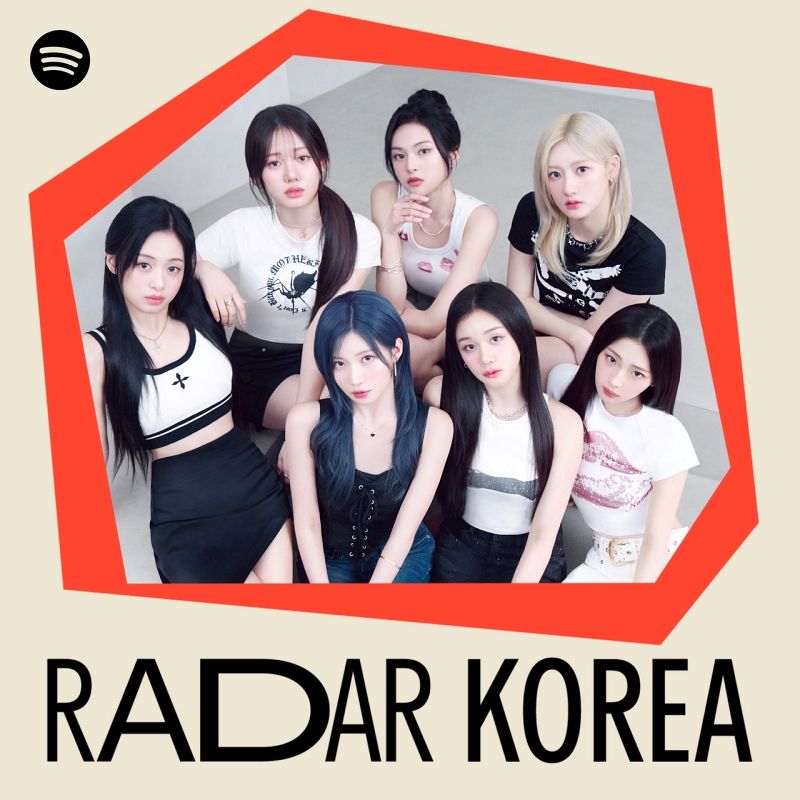
Spotify welcomes ‘BABYMONSTER’ as its newest RADAR KOREA artist.jpg

Babymonster1.jpeg

Babymonster (Spotify, X)

Since its start in 2020, RADAR has spotlighted over 900 rising talents worldwide, including now international sensations such as The Kid LAROILauvTyla, and Lil Baby. In Asia, the program has elevated artists in South Korea like NMIXX, Huh, LE SSERAFIM, Zior Park, RIIZE, and Filipino artists such as BINI, Maki, and Hev Abi.

Globally, RADAR artists have thrived under the program. They have been featured on more than 5,000 Spotify editorial playlists, and have, on average, seen a 40 percent increase in monthly listeners and a 30 percent growth in streams six months after becoming RADAR artists.

Babymonster quickly captured attention with their powerful performances and unique edgy sounds, as seen with their hit songs like “BATTER UP” and “SHEESH.”

For their entry into RADAR, Spotify will support BABYMONSTER with its best-in-class editorial support and a bespoke campaign aimed at further broadcasting their talent and colors in the global music scene. 

In addition to fueling the discovery of the group’s music on playlists such as RADAR KOREA, Spotify will also release a host of exclusive content on its K-Pop ON! Spotify YouTube channel. 

In November, fans can also look forward to catching Babymonster at RADAR LIVE. An initiative under the RADAR program, RADAR LIVE was conceptualized to broadcast RADAR Korea artists to a broader audience through interactive experiences. 

RADAR LIVE is set to be held in Seoul, and will be live streamed for fans and listeners around the world. Listeners can stay tuned to @SpotifyKR on Instagram for updates and more details on BABYMONSTER’s RADAR campaign. 

As of October this year, Babymonster has over seven million monthly listeners and 2.6 million followers on Spotify, amassing fans from around the world in their rookie year. 

Following their debut, Babymonster’s “Sheesh” ranked No. 5 on Spotify’s Global Impact List for South Korea, which recognizes the tracks by local artists that made the most global impact in the first half of 2024. 

The track is their most-streamed song on Spotify to date, followed by “Batter Up” and “Like That.” 

“The Radar Korea program bolsters Spotify’s mission of helping artists break through to global audiences by connecting them with new listeners worldwide,” said Jungjoo Park, Spotify’s head of Music, Korea. “We are excited to welcome Babymonster into Radar, and can’t wait to see them continue to captivate even more fans with their incredible talent and charisma.”

“We are honored to be part of Spotify’s RADAR KOREA program and thrilled for the opportunity to reach more listeners across the globe,” said Babymonster. “This is just the beginning of our journey, and we can’t wait to share more of our music with the world.”

Related Tags

Spotify BabyMonster
ADVERTISEMENT
.most-popular .layout-ratio{ padding-bottom: 79.13%; } @media (min-width: 768px) and (max-width: 1024px) { .widget-title { font-size: 15px !important; } }

{{ articles_filter_1561_widget.title }}

.most-popular .layout-ratio{ padding-bottom: 79.13%; } @media (min-width: 768px) and (max-width: 1024px) { .widget-title { font-size: 15px !important; } }

{{ articles_filter_1562_widget.title }}

.most-popular .layout-ratio{ padding-bottom: 79.13%; } @media (min-width: 768px) and (max-width: 1024px) { .widget-title { font-size: 15px !important; } }

{{ articles_filter_1563_widget.title }}

{{ articles_filter_1564_widget.title }}

.mb-article-details { position: relative; } .mb-article-details .article-body-preview, .mb-article-details .article-body-summary{ font-size: 17px; line-height: 30px; font-family: "Libre Caslon Text", serif; color: #000; } .mb-article-details .article-body-preview iframe , .mb-article-details .article-body-summary iframe{ width: 100%; margin: auto; } .read-more-background { background: linear-gradient(180deg, color(display-p3 1.000 1.000 1.000 / 0) 13.75%, color(display-p3 1.000 1.000 1.000 / 0.8) 30.79%, color(display-p3 1.000 1.000 1.000) 72.5%); position: absolute; height: 200px; width: 100%; bottom: 0; display: flex; justify-content: center; align-items: center; padding: 0; } .read-more-background a{ color: #000; } .read-more-btn { padding: 17px 45px; font-family: Inter; font-weight: 700; font-size: 18px; line-height: 16px; text-align: center; vertical-align: middle; border: 1px solid black; background-color: white; } .hidden { display: none; }
function initializeAllSwipers() { // Get all hidden inputs with cms_article_id document.querySelectorAll('[id^="cms_article_id_"]').forEach(function (input) { const cmsArticleId = input.value; const articleSelector = '#article-' + cmsArticleId + ' .body_images'; const swiperElement = document.querySelector(articleSelector); if (swiperElement && !swiperElement.classList.contains('swiper-initialized')) { new Swiper(articleSelector, { loop: true, pagination: false, navigation: { nextEl: '#article-' + cmsArticleId + ' .swiper-button-next', prevEl: '#article-' + cmsArticleId + ' .swiper-button-prev', }, }); } }); } setTimeout(initializeAllSwipers, 3000); const intersectionObserver = new IntersectionObserver( (entries) => { entries.forEach((entry) => { if (entry.isIntersecting) { const newUrl = entry.target.getAttribute("data-url"); if (newUrl) { history.pushState(null, null, newUrl); let article = entry.target; // Extract metadata const author = article.querySelector('.author-section').textContent.replace('By', '').trim(); const section = article.querySelector('.section-info ').textContent.replace(' ', ' '); const title = article.querySelector('.article-title h1').textContent; // Parse URL for Chartbeat path format const parsedUrl = new URL(newUrl, window.location.origin); const cleanUrl = parsedUrl.host + parsedUrl.pathname; // Update Chartbeat configuration if (typeof window._sf_async_config !== 'undefined') { window._sf_async_config.path = cleanUrl; window._sf_async_config.sections = section; window._sf_async_config.authors = author; } // Track virtual page view with Chartbeat if (typeof pSUPERFLY !== 'undefined' && typeof pSUPERFLY.virtualPage === 'function') { try { pSUPERFLY.virtualPage({ path: cleanUrl, title: title, sections: section, authors: author }); } catch (error) { console.error('ping error', error); } } // Optional: Update document title if (title && title !== document.title) { document.title = title; } } } }); }, { threshold: 0.1 } ); function showArticleBody(button) { const article = button.closest("article"); const summary = article.querySelector(".article-body-summary"); const body = article.querySelector(".article-body-preview"); const readMoreSection = article.querySelector(".read-more-background"); // Hide summary and read-more section summary.style.display = "none"; readMoreSection.style.display = "none"; // Show the full article body body.classList.remove("hidden"); } document.addEventListener("DOMContentLoaded", () => { let loadCount = 0; // Track how many times articles are loaded const offset = [1, 2, 3, 4, 5, 6, 7, 8, 9, 10]; // Offset values const currentUrl = window.location.pathname.substring(1); let isLoading = false; // Prevent multiple calls if (!currentUrl) { console.log("Current URL is invalid."); return; } const sentinel = document.getElementById("load-more-sentinel"); if (!sentinel) { console.log("Sentinel element not found."); return; } function isSentinelVisible() { const rect = sentinel.getBoundingClientRect(); return ( rect.top < window.innerHeight && rect.bottom >= 0 ); } function onScroll() { if (isLoading) return; if (isSentinelVisible()) { if (loadCount >= offset.length) { console.log("Maximum load attempts reached."); window.removeEventListener("scroll", onScroll); return; } isLoading = true; const currentOffset = offset[loadCount]; window.loadMoreItems().then(() => { let article = document.querySelector('#widget_1690 > div:nth-last-of-type(2) article'); intersectionObserver.observe(article) loadCount++; }).catch(error => { console.error("Error loading more items:", error); }).finally(() => { isLoading = false; }); } } window.addEventListener("scroll", onScroll); });

Sign up by email to receive news.