ADVERTISEMENT

Five benefits of developing the bee industry in the Philippines

Published Aug 31, 2023 05:09 am
9.jpg
Guadaleva Ballogan Coteng is the owner of Purest Heart Apiary in Itogon, Benguet. (Purest Heart Apiary)

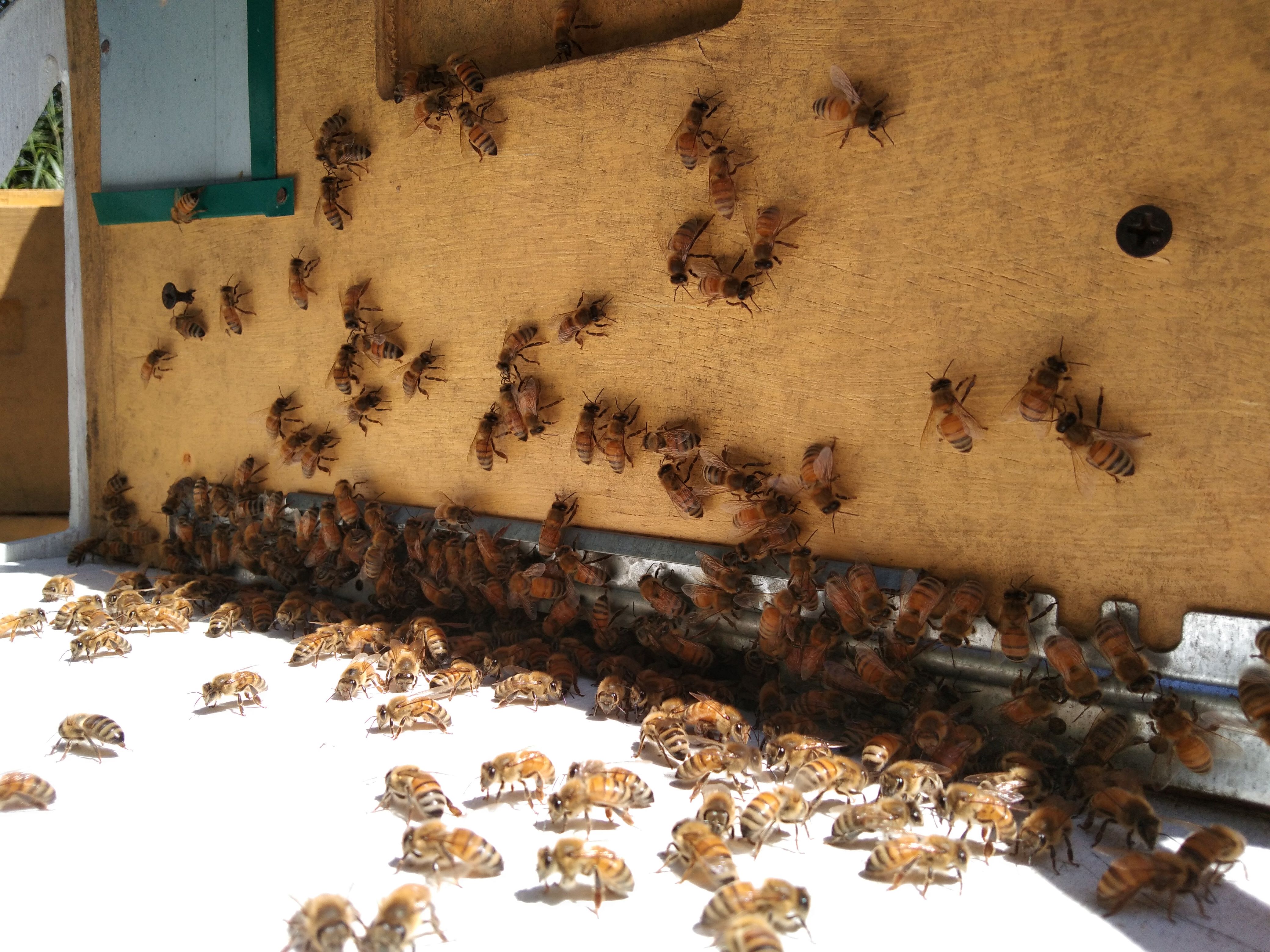
Guadaleva Ballogan Coteng, owner of the Purest Heart Apiary, is a passionate beekeeper in Itogon, Benguet. As she addresses the pressing issue of inadequate local honey supply, her efforts align with the benefits of developing the bee industry. By encouraging sustainable practices and inspiring more farmers to engage in beekeeping, Guadaleva's work contributes to economic growth, environmental conservation, and improved agricultural practices. Her story resonates with the greater narrative of the advantages that a thriving bee industry can bring to the Philippines. Here are some contributions of the beekeeping industry in the country.

READ: From mines to hives: Benguet beekeeper advocates honey bee's positive impact on the community, farmers, and environment

Pollination

Pollination is a fundamental ecological process that allows plants to reproduce. Bees are exceptional pollinators due to their foraging habits and specialized body structures. They transfer pollen from the male parts of flowers to the female parts, enabling fertilization and fruit development. By expanding the bee industry, the Philippines can significantly increase crop yields and enhance the quality of fruits and vegetables.

Honey and its health benefits

Honey is a natural sweetener and has been used for its medicinal properties for centuries. Its antibacterial and antiseptic properties make it effective in wound healing and preventing infections. Rich in antioxidants, honey can help combat oxidative stress and inflammation, supporting overall immune function. It has been utilized as a soothing remedy for sore throats and coughs, and its natural sweetness makes it a healthier alternative to refined sugars. Moreover, honey's prebiotic properties can contribute to a healthy gut microbiome, aiding digestion.

Economic empowerment through apiculture

Beekeeping can generate a diverse range of products beyond honey, including beeswax, propolis, royal jelly, and bee pollen. These products have various commercial applications in industries such as cosmetics, pharmaceuticals, and food processing. Individuals and communities can tap into a lucrative market, creating job opportunities and bolstering economic growth in both rural and urban areas.

Safeguarding food security

There is a connection between pollinators and food security. A decline in pollinator populations can lead to reduced crop yields and potential food shortages. With an established bee industry, the Philippines can ensure reliable pollination services, leading to better crop productivity and enhanced food security.

Global collaboration and trade

Bee products, such as honey and beeswax, have a global market demand. By producing high-quality bee products, the Philippines can engage in international trade, fostering economic partnerships and enhancing the country's reputation as a sustainable and responsible producer.

The bee industry in the Philippines confronts critical challenges including pests, diseases, and habitat loss. Addressing these hurdles demands scientific research, meticulous hive management, and sustainable agricultural approaches. Effective solutions can be achieved through collaboration among beekeepers, researchers, and policymakers.

To foster the bee industry's progress, government support is imperative. Policies encouraging beekeeping, encompassing financial aid for startups, training initiatives, resource allocation for research and development, and the establishment of regulations and quality benchmarks, can catalyze thriving beekeeping endeavors. Moreover, facilitating market entry and international trade agreements can bolster the industry's economic influence. Combatting honey fraud with transparent practices ensures consumers access to genuine, high-quality honey. Thus, government-backed strategies are vital for the robust development of the bee industry.

Developing the bee industry in the Philippines holds vast potential for environmental, economic, and social benefits. From fostering ecological resilience and food security to empowering communities and contributing to global sustainability goals, beekeeping stands as a promising avenue for the country's growth.

Photo courtesy of Purest Heart Apiary

Read more about farming and gardening at agriculture.com.ph

Related Tags

agriculture online beekeeping James Tababa Agriculture
ADVERTISEMENT
.most-popular .layout-ratio{ padding-bottom: 79.13%; } @media (min-width: 768px) and (max-width: 1024px) { .widget-title { font-size: 15px !important; } }

{{ articles_filter_1561_widget.title }}

.most-popular .layout-ratio{ padding-bottom: 79.13%; } @media (min-width: 768px) and (max-width: 1024px) { .widget-title { font-size: 15px !important; } }

{{ articles_filter_1562_widget.title }}

.most-popular .layout-ratio{ padding-bottom: 79.13%; } @media (min-width: 768px) and (max-width: 1024px) { .widget-title { font-size: 15px !important; } }

{{ articles_filter_1563_widget.title }}

{{ articles_filter_1564_widget.title }}

.mb-article-details { position: relative; } .mb-article-details .article-body-preview, .mb-article-details .article-body-summary{ font-size: 17px; line-height: 30px; font-family: "Libre Caslon Text", serif; color: #000; } .mb-article-details .article-body-preview iframe , .mb-article-details .article-body-summary iframe{ width: 100%; margin: auto; } .read-more-background { background: linear-gradient(180deg, color(display-p3 1.000 1.000 1.000 / 0) 13.75%, color(display-p3 1.000 1.000 1.000 / 0.8) 30.79%, color(display-p3 1.000 1.000 1.000) 72.5%); position: absolute; height: 200px; width: 100%; bottom: 0; display: flex; justify-content: center; align-items: center; padding: 0; } .read-more-background a{ color: #000; } .read-more-btn { padding: 17px 45px; font-family: Inter; font-weight: 700; font-size: 18px; line-height: 16px; text-align: center; vertical-align: middle; border: 1px solid black; background-color: white; } .hidden { display: none; }
function initializeAllSwipers() { // Get all hidden inputs with cms_article_id document.querySelectorAll('[id^="cms_article_id_"]').forEach(function (input) { const cmsArticleId = input.value; const articleSelector = '#article-' + cmsArticleId + ' .body_images'; const swiperElement = document.querySelector(articleSelector); if (swiperElement && !swiperElement.classList.contains('swiper-initialized')) { new Swiper(articleSelector, { loop: true, pagination: false, navigation: { nextEl: '#article-' + cmsArticleId + ' .swiper-button-next', prevEl: '#article-' + cmsArticleId + ' .swiper-button-prev', }, }); } }); } setTimeout(initializeAllSwipers, 3000); const intersectionObserver = new IntersectionObserver( (entries) => { entries.forEach((entry) => { if (entry.isIntersecting) { const newUrl = entry.target.getAttribute("data-url"); if (newUrl) { history.pushState(null, null, newUrl); let article = entry.target; // Extract metadata const author = article.querySelector('.author-section').textContent.replace('By', '').trim(); const section = article.querySelector('.section-info ').textContent.replace(' ', ' '); const title = article.querySelector('.article-title h1').textContent; // Parse URL for Chartbeat path format const parsedUrl = new URL(newUrl, window.location.origin); const cleanUrl = parsedUrl.host + parsedUrl.pathname; // Update Chartbeat configuration if (typeof window._sf_async_config !== 'undefined') { window._sf_async_config.path = cleanUrl; window._sf_async_config.sections = section; window._sf_async_config.authors = author; } // Track virtual page view with Chartbeat if (typeof pSUPERFLY !== 'undefined' && typeof pSUPERFLY.virtualPage === 'function') { try { pSUPERFLY.virtualPage({ path: cleanUrl, title: title, sections: section, authors: author }); } catch (error) { console.error('ping error', error); } } // Optional: Update document title if (title && title !== document.title) { document.title = title; } } } }); }, { threshold: 0.1 } ); function showArticleBody(button) { const article = button.closest("article"); const summary = article.querySelector(".article-body-summary"); const body = article.querySelector(".article-body-preview"); const readMoreSection = article.querySelector(".read-more-background"); // Hide summary and read-more section summary.style.display = "none"; readMoreSection.style.display = "none"; // Show the full article body body.classList.remove("hidden"); } document.addEventListener("DOMContentLoaded", () => { let loadCount = 0; // Track how many times articles are loaded const offset = [1, 2, 3, 4, 5, 6, 7, 8, 9, 10]; // Offset values const currentUrl = window.location.pathname.substring(1); let isLoading = false; // Prevent multiple calls if (!currentUrl) { console.log("Current URL is invalid."); return; } const sentinel = document.getElementById("load-more-sentinel"); if (!sentinel) { console.log("Sentinel element not found."); return; } function isSentinelVisible() { const rect = sentinel.getBoundingClientRect(); return ( rect.top < window.innerHeight && rect.bottom >= 0 ); } function onScroll() { if (isLoading) return; if (isSentinelVisible()) { if (loadCount >= offset.length) { console.log("Maximum load attempts reached."); window.removeEventListener("scroll", onScroll); return; } isLoading = true; const currentOffset = offset[loadCount]; window.loadMoreItems().then(() => { let article = document.querySelector('#widget_1690 > div:nth-last-of-type(2) article'); intersectionObserver.observe(article) loadCount++; }).catch(error => { console.error("Error loading more items:", error); }).finally(() => { isLoading = false; }); } } window.addEventListener("scroll", onScroll); });

Sign up by email to receive news.