ADVERTISEMENT

DENR pushes for circular economy to fight plastic pollution crisis in PH

Published Jan 23, 2025 08:47 am


IMG_9098.jpeg
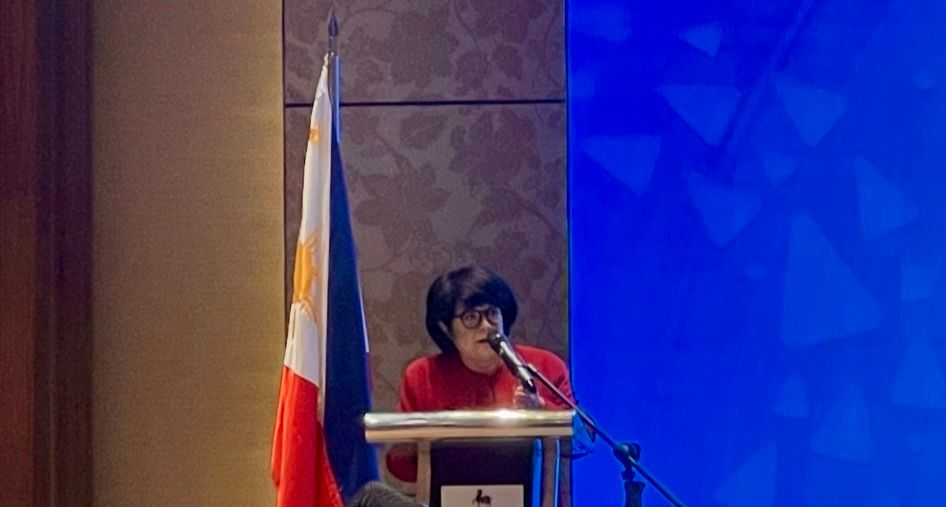
DENR Secretary Maria Antonia ‘Toni’ Yulo-Loyzaga (JEL SANTOS/ MB PHOTO)

To combat the country’s alarming plastic pollution problem, the Department of Environment and Natural Resources (DENR) launched the National Plastic Action Partnership (NPAP) Philippines, emphasizing the urgency of sustainable solutions through a circular economy approach.


DENR Secretary Maria Antonia “Toni” Yulo-Loyzaga said the Philippines generates 2.7 million metric tons of plastic waste annually, with a significant portion polluting the oceans.


“This places us among the top contributors to marine plastic pollution globally,” she said during the launch in Pasig on Thursday, Jan. 23.


Loyzaga highlighted that the environmental and socio-economic impacts of the crisis cannot be ignored. 


“The cost of inaction is staggering, as vulnerable coastal communities bear the brunt of this crisis,” she stressed.


The NPAP aims to transform waste management by promoting a circular economy, which prioritizes reusing, recycling, and minimizing resources instead of the traditional linear model of producing, using, and discarding.


“This is a collective effort to address one of the most critical environmental challenges of our time: plastic pollution,” Loyzaga added, calling for multi-sectoral collaboration to tackle the issue effectively.


The event gathered representatives from international organizations, including the United Nations Development Programme (UNDP), the World Economic Forum (WEF), and the embassies of the United Kingdom, Canada, and the European Union (EU).


Circular economy 


From the linear economy, the NPAP aims to shift the country toward a circular economy, where waste is viewed as a resource rather than an environmental burden. 


According to Loyzaga, adopting this approach could reduce environmental pressures while boosting economic and social well-being.


“This platform will catalyze the transition to a circular economy, transforming waste into opportunities for innovation in science, engineering, and technology,” she said.


The initiative supports key policies such as the Extended Producer Responsibility (EPR) Act, the Philippine Action Plan for Sustainable Consumption and Production (PAP4SCP), and global commitments like the Paris Agreement and the Sustainable Development Goals.


Multi-sectoral approach


The DENR stated that NPAP will be overseen by a Steering Board composed of leaders from government, business, and civil society to ensure transparency and alignment with its goals. 


“We hope this platform will resonate down to the community level and create meaningful change,” said Loyzaga.


The DENR said it is taking the lead in enforcing the EPR law, advancing waste management technology investments, and addressing the challenges posed by plastic, hazardous, electronic, and industrial waste.


“This crisis is not just about environmental stewardship; it’s a question of equity, resilience, and sustainable development,” Loyzaga emphasized.


As part of the Global Plastic Action Partnership (GPAP), an initiative of the WEF, the Philippines is positioning itself as a leader in addressing plastic pollution through systemic change and sustainability.


Act now


Loyzaga called on stakeholders to act with urgency and purpose. 


“Together, we have the capacity to mitigate the devastating impacts of plastic pollution and foster a legacy of sustainability for future generations,” she said.


The launch of the NPAP, she added, marks the beginning of a “new chapter in the race to resilience through environmental resource management.”

ADVERTISEMENT
.most-popular .layout-ratio{ padding-bottom: 79.13%; } @media (min-width: 768px) and (max-width: 1024px) { .widget-title { font-size: 15px !important; } }

{{ articles_filter_1561_widget.title }}

.most-popular .layout-ratio{ padding-bottom: 79.13%; } @media (min-width: 768px) and (max-width: 1024px) { .widget-title { font-size: 15px !important; } }

{{ articles_filter_1562_widget.title }}

.most-popular .layout-ratio{ padding-bottom: 79.13%; } @media (min-width: 768px) and (max-width: 1024px) { .widget-title { font-size: 15px !important; } }

{{ articles_filter_1563_widget.title }}

{{ articles_filter_1564_widget.title }}

.mb-article-details { position: relative; } .mb-article-details .article-body-preview, .mb-article-details .article-body-summary{ font-size: 17px; line-height: 30px; font-family: "Libre Caslon Text", serif; color: #000; } .mb-article-details .article-body-preview iframe , .mb-article-details .article-body-summary iframe{ width: 100%; margin: auto; } .read-more-background { background: linear-gradient(180deg, color(display-p3 1.000 1.000 1.000 / 0) 13.75%, color(display-p3 1.000 1.000 1.000 / 0.8) 30.79%, color(display-p3 1.000 1.000 1.000) 72.5%); position: absolute; height: 200px; width: 100%; bottom: 0; display: flex; justify-content: center; align-items: center; padding: 0; } .read-more-background a{ color: #000; } .read-more-btn { padding: 17px 45px; font-family: Inter; font-weight: 700; font-size: 18px; line-height: 16px; text-align: center; vertical-align: middle; border: 1px solid black; background-color: white; } .hidden { display: none; }
function initializeAllSwipers() { // Get all hidden inputs with cms_article_id document.querySelectorAll('[id^="cms_article_id_"]').forEach(function (input) { const cmsArticleId = input.value; const articleSelector = '#article-' + cmsArticleId + ' .body_images'; const swiperElement = document.querySelector(articleSelector); if (swiperElement && !swiperElement.classList.contains('swiper-initialized')) { new Swiper(articleSelector, { loop: true, pagination: false, navigation: { nextEl: '#article-' + cmsArticleId + ' .swiper-button-next', prevEl: '#article-' + cmsArticleId + ' .swiper-button-prev', }, }); } }); } setTimeout(initializeAllSwipers, 3000); const intersectionObserver = new IntersectionObserver( (entries) => { entries.forEach((entry) => { if (entry.isIntersecting) { const newUrl = entry.target.getAttribute("data-url"); if (newUrl) { history.pushState(null, null, newUrl); let article = entry.target; // Extract metadata const author = article.querySelector('.author-section').textContent.replace('By', '').trim(); const section = article.querySelector('.section-info ').textContent.replace(' ', ' '); const title = article.querySelector('.article-title h1').textContent; // Parse URL for Chartbeat path format const parsedUrl = new URL(newUrl, window.location.origin); const cleanUrl = parsedUrl.host + parsedUrl.pathname; // Update Chartbeat configuration if (typeof window._sf_async_config !== 'undefined') { window._sf_async_config.path = cleanUrl; window._sf_async_config.sections = section; window._sf_async_config.authors = author; } // Track virtual page view with Chartbeat if (typeof pSUPERFLY !== 'undefined' && typeof pSUPERFLY.virtualPage === 'function') { try { pSUPERFLY.virtualPage({ path: cleanUrl, title: title, sections: section, authors: author }); } catch (error) { console.error('ping error', error); } } // Optional: Update document title if (title && title !== document.title) { document.title = title; } } } }); }, { threshold: 0.1 } ); function showArticleBody(button) { const article = button.closest("article"); const summary = article.querySelector(".article-body-summary"); const body = article.querySelector(".article-body-preview"); const readMoreSection = article.querySelector(".read-more-background"); // Hide summary and read-more section summary.style.display = "none"; readMoreSection.style.display = "none"; // Show the full article body body.classList.remove("hidden"); } document.addEventListener("DOMContentLoaded", () => { let loadCount = 0; // Track how many times articles are loaded const offset = [1, 2, 3, 4, 5, 6, 7, 8, 9, 10]; // Offset values const currentUrl = window.location.pathname.substring(1); let isLoading = false; // Prevent multiple calls if (!currentUrl) { console.log("Current URL is invalid."); return; } const sentinel = document.getElementById("load-more-sentinel"); if (!sentinel) { console.log("Sentinel element not found."); return; } function isSentinelVisible() { const rect = sentinel.getBoundingClientRect(); return ( rect.top < window.innerHeight && rect.bottom >= 0 ); } function onScroll() { if (isLoading) return; if (isSentinelVisible()) { if (loadCount >= offset.length) { console.log("Maximum load attempts reached."); window.removeEventListener("scroll", onScroll); return; } isLoading = true; const currentOffset = offset[loadCount]; window.loadMoreItems().then(() => { let article = document.querySelector('#widget_1690 > div:nth-last-of-type(2) article'); intersectionObserver.observe(article) loadCount++; }).catch(error => { console.error("Error loading more items:", error); }).finally(() => { isLoading = false; }); } } window.addEventListener("scroll", onScroll); });

Sign up by email to receive news.