

ADVERTISEMENT

DSWD: Almost 5 million near-poor Filipinos benefit from AKAP in 2024

Published Jan 2, 2025 09:25 am

The Department of Social Welfare and Development (DSWD) announced on Thursday, Jan. 2, that nearly five million near-poor Filipinos benefited from the “Ayuda para sa Kapos ang Kita Program” (AKAP) during its first year of implementation, from January to December 2024.
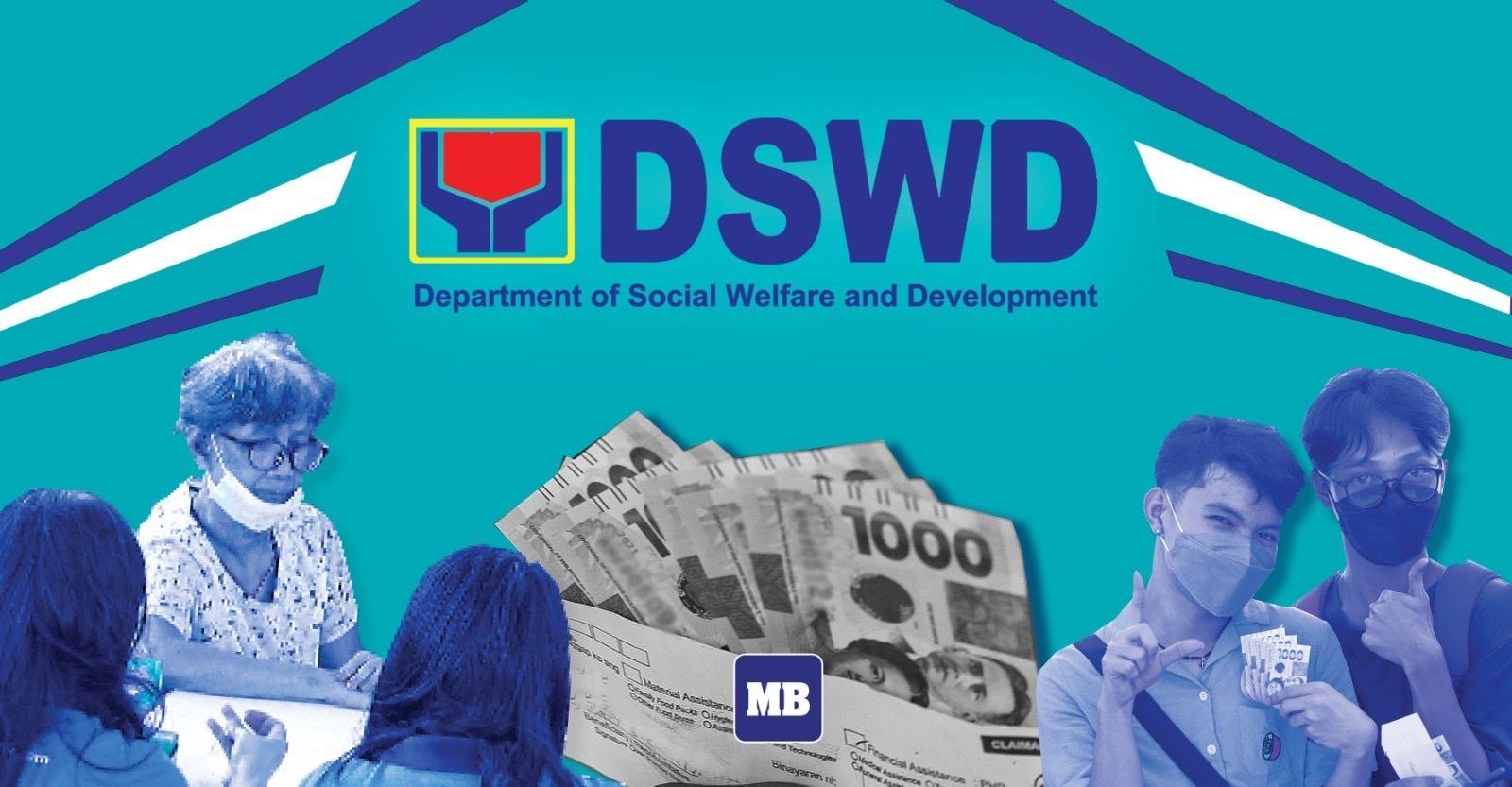
IMG_0287.jpeg
(DSWD / MB Visual Content Group)

“The AKAP program has demonstrated a strong impact with P26.157 billion in funds utilized, achieving a 99.31 percent utilization rate from the total P26.7 billion budget allocation for 2024,” said DSWD Assistant Secretary Irene Dumlao.

The DSWD noted that AKAP funds were allocated nationwide, with almost all regions achieving over 99 percent in fund obligations.

Notably, Cagayan Valley (Region 2), Davao Region (Region 11), and Caraga (Region 13) posted a 100 percent utilization rate.

The AKAP program provides cash assistance of Php5,000 to eligible beneficiaries.

“To qualify, families must have incomes below the poverty threshold and must not be receiving assistance from other government programs,” the DSWD explained.

The program offers a menu of assistance, including medical, funeral, food, and cash relief, provided directly through the DSWD’s Crisis Intervention Units/Sections (CIU/S) at Central and Field Offices, as well as through Social Welfare and Development (SWAD) and Satellite Offices nationwide.

With the signing of the General Appropriations Act (GAA) for 2025, the DSWD estimates that around five million minimum wage earners and Filipinos living near the poverty threshold will benefit from the AKAP.

In line with President Marcos's directive, DSWD, the Department of Labor and Employment (DOLE), and the National Economic and Development Authority (NEDA) secretaries are set to meet on Jan. 3 to finalize guidelines for AKAP’s release by the Department of Budget and Management (DBM).

Meanwhile, DSWD Secretary Rex Gatchalian assured the public that AKAP, one of the agency’s key social protection programs, will remain insulated from politics amid concerns about its P26 billion budget potentially being used for the 2025 midterm elections.

“The DSWD will not be used by anyone for political gain—not next year, not ever,” Gatchalian emphasized, dismissing allegations that AKAP is being used for political purposes, including vote-buying.

He explained that DSWD social workers apply stringent verification and validation processes for clients seeking financial assistance, regardless of referrals from legislators or local government unit (LGU) officials.

“Our social workers, not politicians, determine the beneficiaries. They also process AKAP applications and determine the assistance amount for qualified beneficiaries,” Gatchalian said.

He further stressed that the agency’s licensed social workers ensure no overlapping occurs with other DSWD social protection programs.

Additionally, Gatchalian noted that DSWD Field Offices actively coordinate with LGU officials during payout activities but only for logistical support.

He clarified that funding for AKAP comes directly from the DSWD’s budget, as provided under the General Appropriations Act signed on Dec. 30.

“There is no GAA line item entitling any congressional district or LGU to an allocation through the DSWD to benefit their constituents,” Gatchalian said. “Referrals from legislators and local executives are entertained under existing DSWD guidelines,” he added.

Related Tags

DSWD AKAP DSWD BENEFICIARIES
ADVERTISEMENT
.most-popular .layout-ratio{ padding-bottom: 79.13%; } @media (min-width: 768px) and (max-width: 1024px) { .widget-title { font-size: 15px !important; } }

{{ articles_filter_1561_widget.title }}

.most-popular .layout-ratio{ padding-bottom: 79.13%; } @media (min-width: 768px) and (max-width: 1024px) { .widget-title { font-size: 15px !important; } }

{{ articles_filter_1562_widget.title }}

.most-popular .layout-ratio{ padding-bottom: 79.13%; } @media (min-width: 768px) and (max-width: 1024px) { .widget-title { font-size: 15px !important; } }

{{ articles_filter_1563_widget.title }}

{{ articles_filter_1564_widget.title }}

.mb-article-details { position: relative; } .mb-article-details .article-body-preview, .mb-article-details .article-body-summary{ font-size: 17px; line-height: 30px; font-family: "Libre Caslon Text", serif; color: #000; } .mb-article-details .article-body-preview iframe , .mb-article-details .article-body-summary iframe{ width: 100%; margin: auto; } .read-more-background { background: linear-gradient(180deg, color(display-p3 1.000 1.000 1.000 / 0) 13.75%, color(display-p3 1.000 1.000 1.000 / 0.8) 30.79%, color(display-p3 1.000 1.000 1.000) 72.5%); position: absolute; height: 200px; width: 100%; bottom: 0; display: flex; justify-content: center; align-items: center; padding: 0; } .read-more-background a{ color: #000; } .read-more-btn { padding: 17px 45px; font-family: Inter; font-weight: 700; font-size: 18px; line-height: 16px; text-align: center; vertical-align: middle; border: 1px solid black; background-color: white; } .hidden { display: none; }
function initializeAllSwipers() { // Get all hidden inputs with cms_article_id document.querySelectorAll('[id^="cms_article_id_"]').forEach(function (input) { const cmsArticleId = input.value; const articleSelector = '#article-' + cmsArticleId + ' .body_images'; const swiperElement = document.querySelector(articleSelector); if (swiperElement && !swiperElement.classList.contains('swiper-initialized')) { new Swiper(articleSelector, { loop: true, pagination: false, navigation: { nextEl: '#article-' + cmsArticleId + ' .swiper-button-next', prevEl: '#article-' + cmsArticleId + ' .swiper-button-prev', }, }); } }); } setTimeout(initializeAllSwipers, 3000); const intersectionObserver = new IntersectionObserver( (entries) => { entries.forEach((entry) => { if (entry.isIntersecting) { const newUrl = entry.target.getAttribute("data-url"); if (newUrl) { history.pushState(null, null, newUrl); let article = entry.target; // Extract metadata const author = article.querySelector('.author-section').textContent.replace('By', '').trim(); const section = article.querySelector('.section-info ').textContent.replace(' ', ' '); const title = article.querySelector('.article-title h1').textContent; // Parse URL for Chartbeat path format const parsedUrl = new URL(newUrl, window.location.origin); const cleanUrl = parsedUrl.host + parsedUrl.pathname; // Update Chartbeat configuration if (typeof window._sf_async_config !== 'undefined') { window._sf_async_config.path = cleanUrl; window._sf_async_config.sections = section; window._sf_async_config.authors = author; } // Track virtual page view with Chartbeat if (typeof pSUPERFLY !== 'undefined' && typeof pSUPERFLY.virtualPage === 'function') { try { pSUPERFLY.virtualPage({ path: cleanUrl, title: title, sections: section, authors: author }); } catch (error) { console.error('ping error', error); } } // Optional: Update document title if (title && title !== document.title) { document.title = title; } } } }); }, { threshold: 0.1 } ); function showArticleBody(button) { const article = button.closest("article"); const summary = article.querySelector(".article-body-summary"); const body = article.querySelector(".article-body-preview"); const readMoreSection = article.querySelector(".read-more-background"); // Hide summary and read-more section summary.style.display = "none"; readMoreSection.style.display = "none"; // Show the full article body body.classList.remove("hidden"); } document.addEventListener("DOMContentLoaded", () => { let loadCount = 0; // Track how many times articles are loaded const offset = [1, 2, 3, 4, 5, 6, 7, 8, 9, 10]; // Offset values const currentUrl = window.location.pathname.substring(1); let isLoading = false; // Prevent multiple calls if (!currentUrl) { console.log("Current URL is invalid."); return; } const sentinel = document.getElementById("load-more-sentinel"); if (!sentinel) { console.log("Sentinel element not found."); return; } function isSentinelVisible() { const rect = sentinel.getBoundingClientRect(); return ( rect.top < window.innerHeight && rect.bottom >= 0 ); } function onScroll() { if (isLoading) return; if (isSentinelVisible()) { if (loadCount >= offset.length) { console.log("Maximum load attempts reached."); window.removeEventListener("scroll", onScroll); return; } isLoading = true; const currentOffset = offset[loadCount]; window.loadMoreItems().then(() => { let article = document.querySelector('#widget_1690 > div:nth-last-of-type(2) article'); intersectionObserver.observe(article) loadCount++; }).catch(error => { console.error("Error loading more items:", error); }).finally(() => { isLoading = false; }); } } window.addEventListener("scroll", onScroll); });

Sign up by email to receive news.