Embassies & Foreign Affairs
Colombia marks 214th independence with Boyacá anniversary
Embassies & Foreign Affairs
Colombia marks 214th independence with Boyacá anniversary
Colombia marks 214th independence with Boyacá anniversary


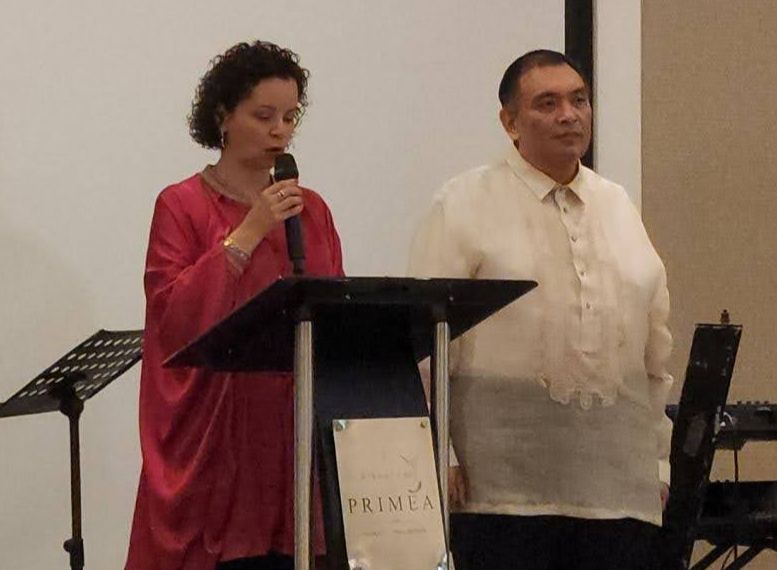
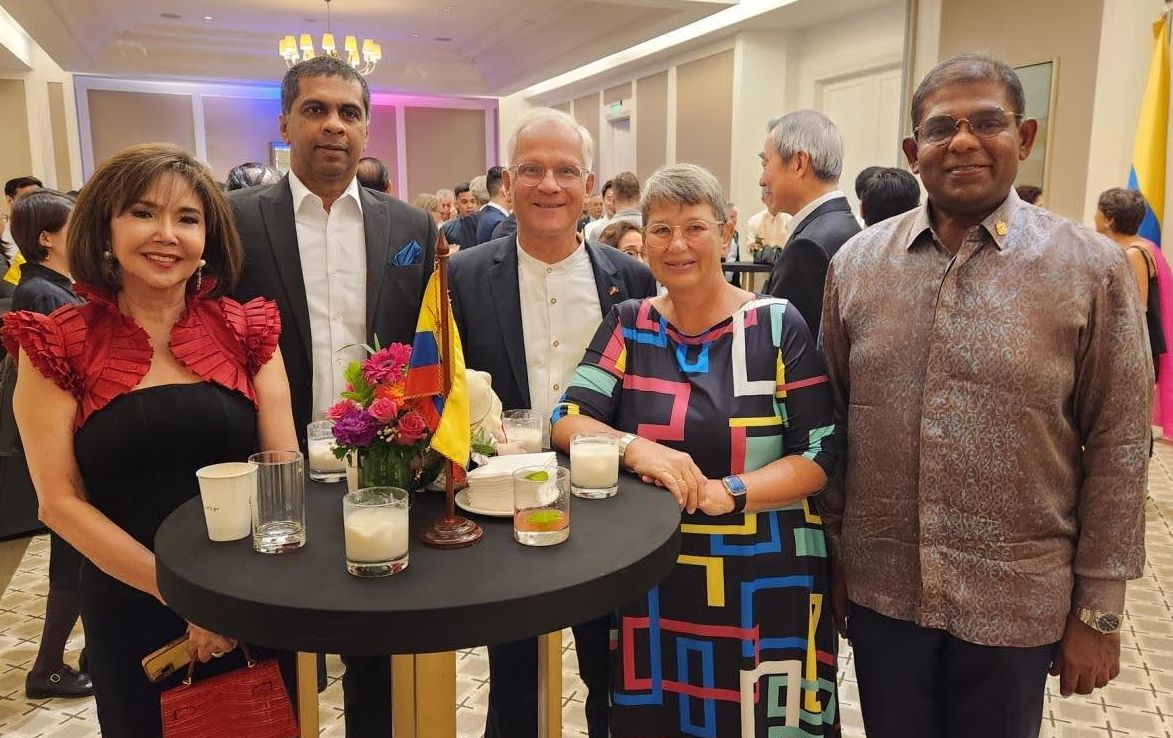
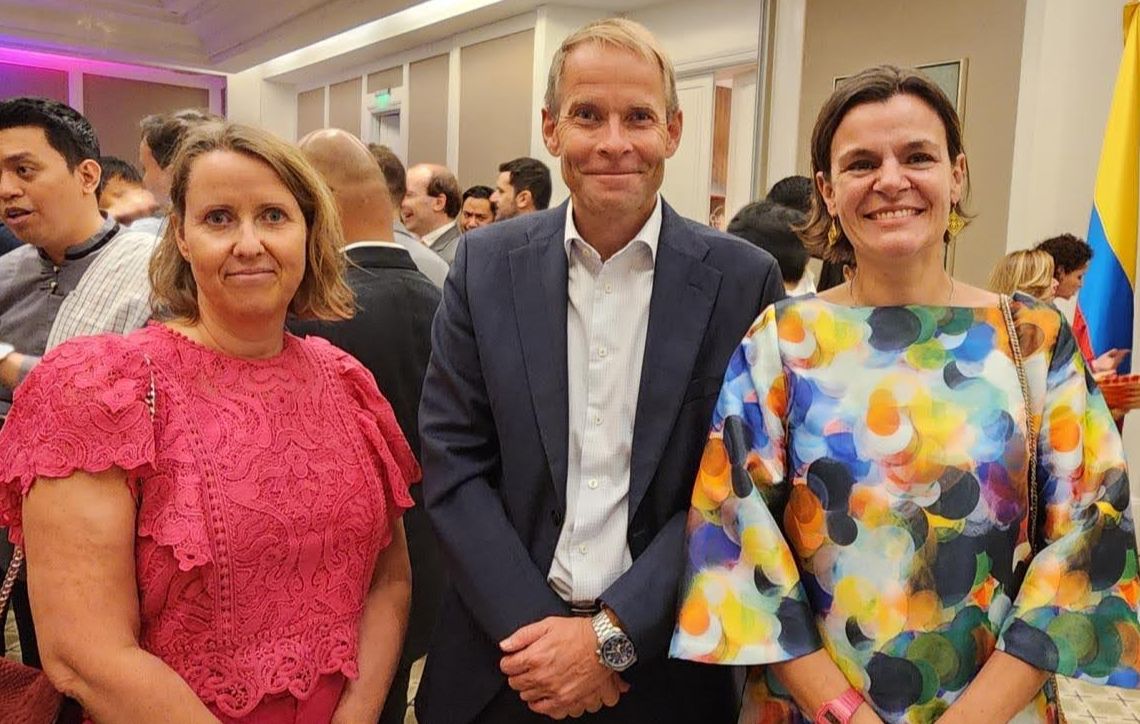
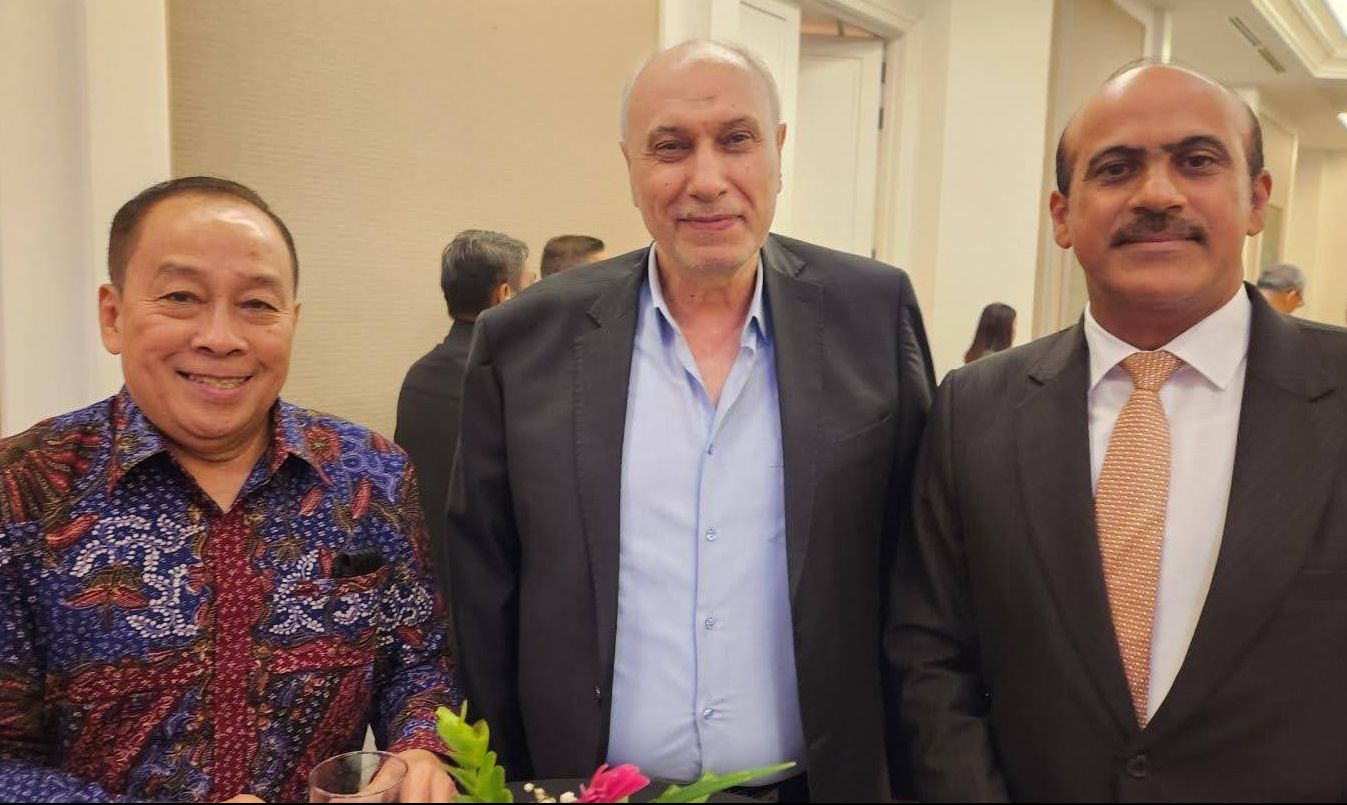
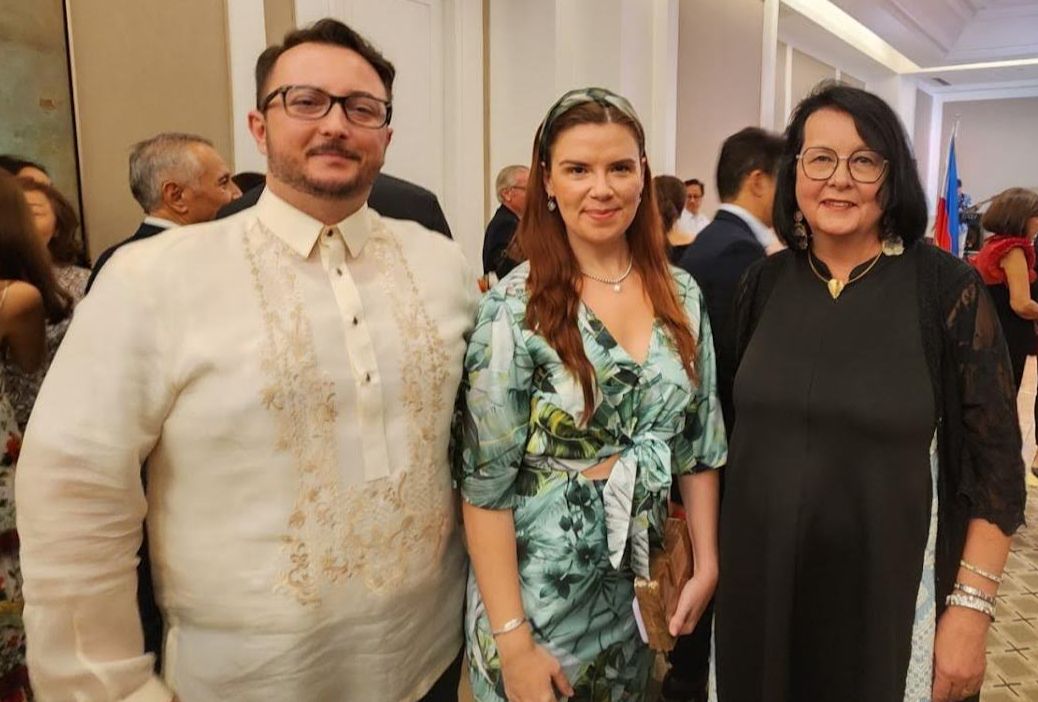
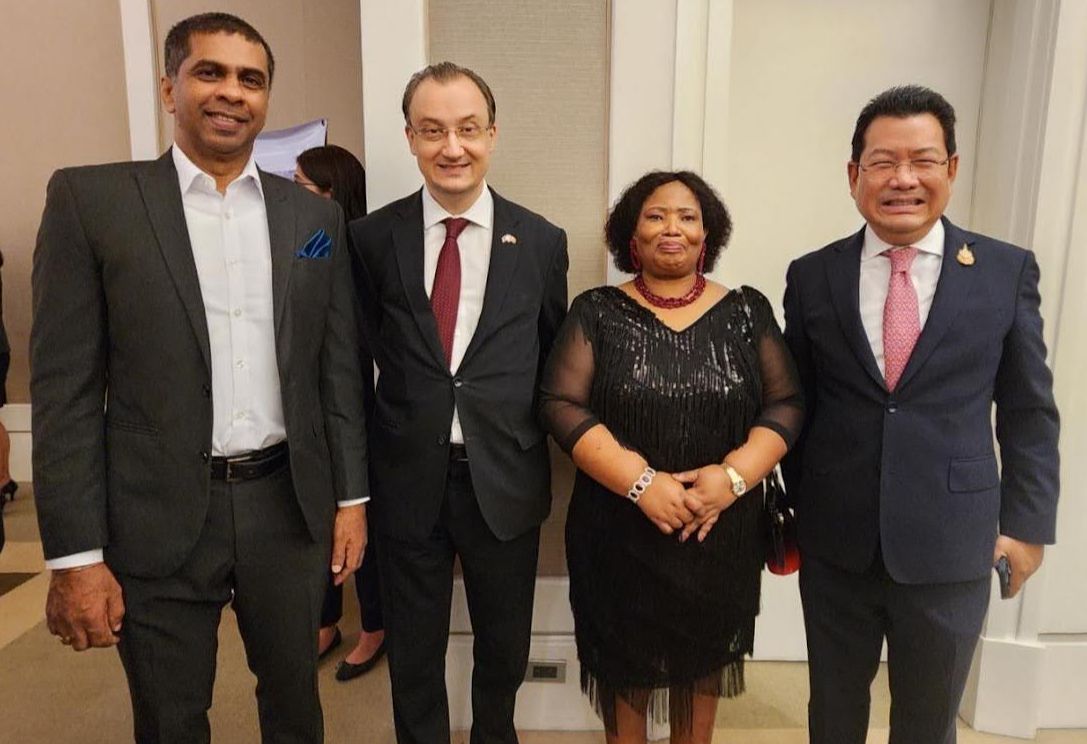
The Embassy of the Republic of Colombia in the Philippines, led by Ambassador Marcela Ordóñez Fernández, celebrated the 214th Independence day of the Republic of Colombia with distinguished guests from the diplomatic corps, Philippine government officials headed by Department of Foreign Affairs (DFA) Undersecretary for Civilian Security and Consular Affairs Jesus Domingo, members of the business community and Colombian
nationals in the Philippines at the Discovery Primea in Ayala, Makati City on Aug. 7, 2024.

Looking back on Aug. 7, 1819, at the Boyacá Bridge near Tunja, Simón Bolívar's patriot forces secured a decisive victory against the Spanish royalist army, marking a pivotal moment in the struggle for independence in New Granada, now known as Colombia. This battle not only dismantled the colonial regime but also laid the groundwork for the formation of Gran Colombia—a state that would eventually divide into Colombia, Venezuela, Panama, and Ecuador. Colombians commemorate this historic event every 7th of August, a day that symbolizes their hard-won independence. It resonates deeply in the country's annual Independence Day celebrations, serving as a reminder of the sacrifices made and the enduring spirit of freedom.
In her speech, Ambassador Marcela Ordóñez Fernández reflected on this momentous day, emphasizing its significance in Colombia's national consciousness. "The process of independence began on July 20, 1810," she noted, "but it was on August 7, 1819, that we finally freed ourselves from the Spanish Empire."
As Colombia celebrates 78 years of diplomatic relations with the Philippines this year, the opening of the Philippine Embassy in Bogotá is seen as a fitting tribute to the enduring ties between the two nations—ties that date back to Colombia being among the first countries to recognize the Philippines as an independent nation.
Ambassador Fernandez also highlighted Colombia's ongoing efforts to build on the legacy of its independence. Central to these efforts is the policy of "total peace," which seeks to secure agreements with all armed groups across the country and ensure the implementation of the Fuerzas Armadas Revolucionarias de Colombia (FARC) agreement. She praised the collaboration between Colombia and the Philippines, particularly in exchanging best practices in the peace process, which she believes serves as a model for the world.
Colombia's government is also focused on improving the quality of life for its citizens, with initiatives aimed at enhancing social security coverage, labor conditions, and access to education—especially in rural areas historically affected by armed conflict. As a nation with 214 years of independence, Colombia remains committed to democracy, international law, and the rights of people to self-determination.
In her closing remarks, she reaffirmed Colombia's stance on global issues, calling for a lasting ceasefire in Gaza, unimpeded access to humanitarian aid, and respect for international law. She underscored the belief that peace must be built not only among people but also with nature, echoing the values that have guided Colombia through centuries of struggle and resilience.
As Colombia reflects on its storied past, the Battle of Boyacá stands as a powerful reminder of the sacrifices made for independence and the enduring spirit of a nation that continues to strive for peace, justice, and prosperity.