ADVERTISEMENT

Call to action against drug abuse, illicit trafficking

Published Jun 25, 2024 04:08 pm

E CARTOON JUN 26, 2024 (1).jpg

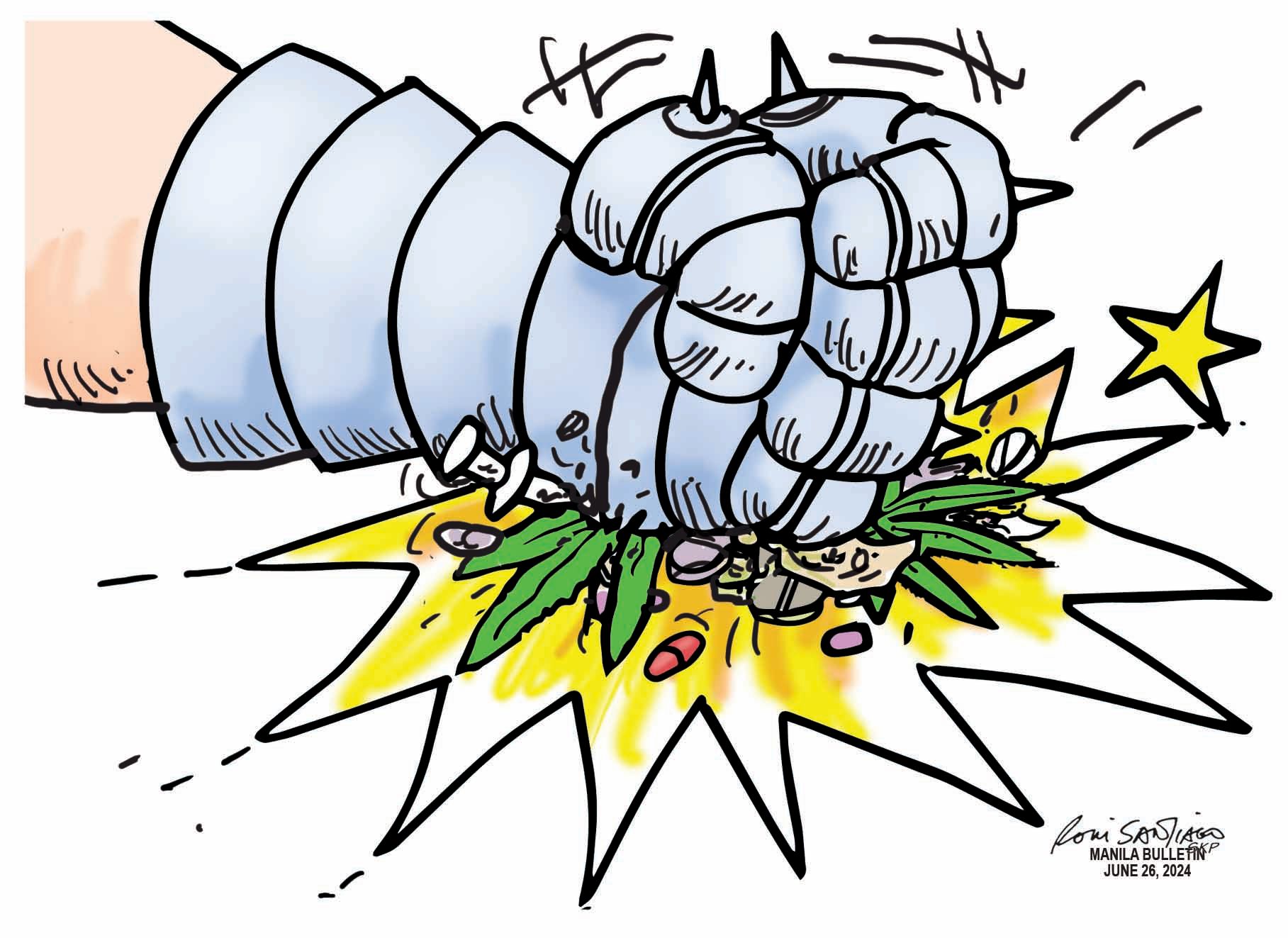
Drug abuse and illicit trafficking pose significant threats to societies worldwide. As we commemorate the International Day Against Drug Abuse and Illicit Trafficking today, it is crucial to recognize the far-reaching consequences of these issues. 


What are the adverse effects of drug abuse and trafficking and what steps governments, the private sector, and each individual have to take to combat this social menace?


The ripple effects of drug abuse and trafficking on health are aplenty. 


Drug abuse leads to permanent physical and emotional damage for users. It adversely affects health, often resulting in sickness, disease, and cognitive decline. Additionally, drug-related deaths have nearly doubled over the past decade, highlighting the urgency of addressing this crisis.


Its social costs cannot be quantified. Drug abuse strains healthcare systems, overburdens the justice system, and reduces workforce productivity. Families, co-workers, and communities suffer as addiction disrupts lives and perpetuates cycles of violence and conflict.


And the more one gets entangled with drug abuse, the more the user gets vulnerable to trafficking. Disorder caused by substance use increases vulnerability to human trafficking. Traffickers exploit addiction as a means of coercion and control, perpetuating suffering for victims during captivity and even after they get rehabilitated.


To address this social menace, it is crucial to engage in prevention and education; law enforcement and promoting justice; healthcare and treatment; and international cooperation. A collaboration among the government, the private sector, and every individual is imperative to succeed.


The government should invest in evidence-based prevention programs targeting risk factors associated with drug use. Childhood maltreatment and lack of social support are also key areas to address. 


Strengthening law enforcement efforts is another important step the government should undertake in a bid to dismantle drug trafficking networks. It should engage in international cooperation to strengthen control systems. 


The state should make healthcare infrastructure a priority to address addiction. Accessible treatment centers, harm reduction strategies, and mental health support are essential. 


It is also crucial for the government to collaborate globally to combat drug trafficking. Agreed-upon frameworks and United Nations-supported health and justice initiatives are critical in addressing the menace. 


Anti-drug enforcement initiatives need support. And this is where public-private partnerships play crucial roles in disrupting dark web drug sales and monitoring trafficking routes. Real-time monitoring and data sharing are essential. Tech companies, postal services, and shipping companies should collaborate with the government to curb drug trafficking. 


The private sector can also help through investments in research and development of addiction treatments. It can support initiatives that provide rehabilitation and counseling.


It can engage in cross-border efforts to disrupt supply chains and can share intelligence and best practices to strengthen collaborative efforts against illegal drugs.


Individuals, on the other hand, can contribute their share by educating themselves and their communities about the dangers of drug abuse. They can show empathy and compassion toward those struggling with addiction. They should take it as their responsibility to report suspicious activities and collaborate with law enforcement agencies. They should take it upon themselves to advocate for international cooperation and raise awareness about the interconnectedness of drug-related challenges.


Addressing drug abuse and illicit trafficking requires a multifaceted approach. Governments, the private sector, and individuals must work together, guided by evidence-based strategies. 


By prioritizing prevention, law enforcement, healthcare, and international cooperation, we can mitigate, if not  eradicate, illegal drugs and trafficking. Community vigilance plays a vital role in the battle against this social menace. Let’s contribute our share in this drive in a bid to have a healthier and safer world.
 

Related Tags

EDITORIAL Manila Bulletin
ADVERTISEMENT
.most-popular .layout-ratio{ padding-bottom: 79.13%; } @media (min-width: 768px) and (max-width: 1024px) { .widget-title { font-size: 15px !important; } }

{{ articles_filter_1561_widget.title }}

.most-popular .layout-ratio{ padding-bottom: 79.13%; } @media (min-width: 768px) and (max-width: 1024px) { .widget-title { font-size: 15px !important; } }

{{ articles_filter_1562_widget.title }}

.most-popular .layout-ratio{ padding-bottom: 79.13%; } @media (min-width: 768px) and (max-width: 1024px) { .widget-title { font-size: 15px !important; } }

{{ articles_filter_1563_widget.title }}

{{ articles_filter_1564_widget.title }}

.mb-article-details { position: relative; } .mb-article-details .article-body-preview, .mb-article-details .article-body-summary{ font-size: 17px; line-height: 30px; font-family: "Libre Caslon Text", serif; color: #000; } .mb-article-details .article-body-preview iframe , .mb-article-details .article-body-summary iframe{ width: 100%; margin: auto; } .read-more-background { background: linear-gradient(180deg, color(display-p3 1.000 1.000 1.000 / 0) 13.75%, color(display-p3 1.000 1.000 1.000 / 0.8) 30.79%, color(display-p3 1.000 1.000 1.000) 72.5%); position: absolute; height: 200px; width: 100%; bottom: 0; display: flex; justify-content: center; align-items: center; padding: 0; } .read-more-background a{ color: #000; } .read-more-btn { padding: 17px 45px; font-family: Inter; font-weight: 700; font-size: 18px; line-height: 16px; text-align: center; vertical-align: middle; border: 1px solid black; background-color: white; } .hidden { display: none; }
function initializeAllSwipers() { // Get all hidden inputs with cms_article_id document.querySelectorAll('[id^="cms_article_id_"]').forEach(function (input) { const cmsArticleId = input.value; const articleSelector = '#article-' + cmsArticleId + ' .body_images'; const swiperElement = document.querySelector(articleSelector); if (swiperElement && !swiperElement.classList.contains('swiper-initialized')) { new Swiper(articleSelector, { loop: true, pagination: false, navigation: { nextEl: '#article-' + cmsArticleId + ' .swiper-button-next', prevEl: '#article-' + cmsArticleId + ' .swiper-button-prev', }, }); } }); } setTimeout(initializeAllSwipers, 3000); const intersectionObserver = new IntersectionObserver( (entries) => { entries.forEach((entry) => { if (entry.isIntersecting) { const newUrl = entry.target.getAttribute("data-url"); if (newUrl) { history.pushState(null, null, newUrl); let article = entry.target; // Extract metadata const author = article.querySelector('.author-section').textContent.replace('By', '').trim(); const section = article.querySelector('.section-info ').textContent.replace(' ', ' '); const title = article.querySelector('.article-title h1').textContent; // Parse URL for Chartbeat path format const parsedUrl = new URL(newUrl, window.location.origin); const cleanUrl = parsedUrl.host + parsedUrl.pathname; // Update Chartbeat configuration if (typeof window._sf_async_config !== 'undefined') { window._sf_async_config.path = cleanUrl; window._sf_async_config.sections = section; window._sf_async_config.authors = author; } // Track virtual page view with Chartbeat if (typeof pSUPERFLY !== 'undefined' && typeof pSUPERFLY.virtualPage === 'function') { try { pSUPERFLY.virtualPage({ path: cleanUrl, title: title, sections: section, authors: author }); } catch (error) { console.error('ping error', error); } } // Optional: Update document title if (title && title !== document.title) { document.title = title; } } } }); }, { threshold: 0.1 } ); function showArticleBody(button) { const article = button.closest("article"); const summary = article.querySelector(".article-body-summary"); const body = article.querySelector(".article-body-preview"); const readMoreSection = article.querySelector(".read-more-background"); // Hide summary and read-more section summary.style.display = "none"; readMoreSection.style.display = "none"; // Show the full article body body.classList.remove("hidden"); } document.addEventListener("DOMContentLoaded", () => { let loadCount = 0; // Track how many times articles are loaded const offset = [1, 2, 3, 4, 5, 6, 7, 8, 9, 10]; // Offset values const currentUrl = window.location.pathname.substring(1); let isLoading = false; // Prevent multiple calls if (!currentUrl) { console.log("Current URL is invalid."); return; } const sentinel = document.getElementById("load-more-sentinel"); if (!sentinel) { console.log("Sentinel element not found."); return; } function isSentinelVisible() { const rect = sentinel.getBoundingClientRect(); return ( rect.top < window.innerHeight && rect.bottom >= 0 ); } function onScroll() { if (isLoading) return; if (isSentinelVisible()) { if (loadCount >= offset.length) { console.log("Maximum load attempts reached."); window.removeEventListener("scroll", onScroll); return; } isLoading = true; const currentOffset = offset[loadCount]; window.loadMoreItems().then(() => { let article = document.querySelector('#widget_1690 > div:nth-last-of-type(2) article'); intersectionObserver.observe(article) loadCount++; }).catch(error => { console.error("Error loading more items:", error); }).finally(() => { isLoading = false; }); } } window.addEventListener("scroll", onScroll); });

Sign up by email to receive news.