

ADVERTISEMENT

Breathe better: Manage COPD effectively

Our lungs consist of numerous air sacs responsible for transporting oxygen inside the body and expelling carbon dioxide.

Published Nov 13, 2024 05:39 am

By Dr. Lenora Fernandez

Program Director, Asian Institute of Respirology

Asian Hospital and Medical Center
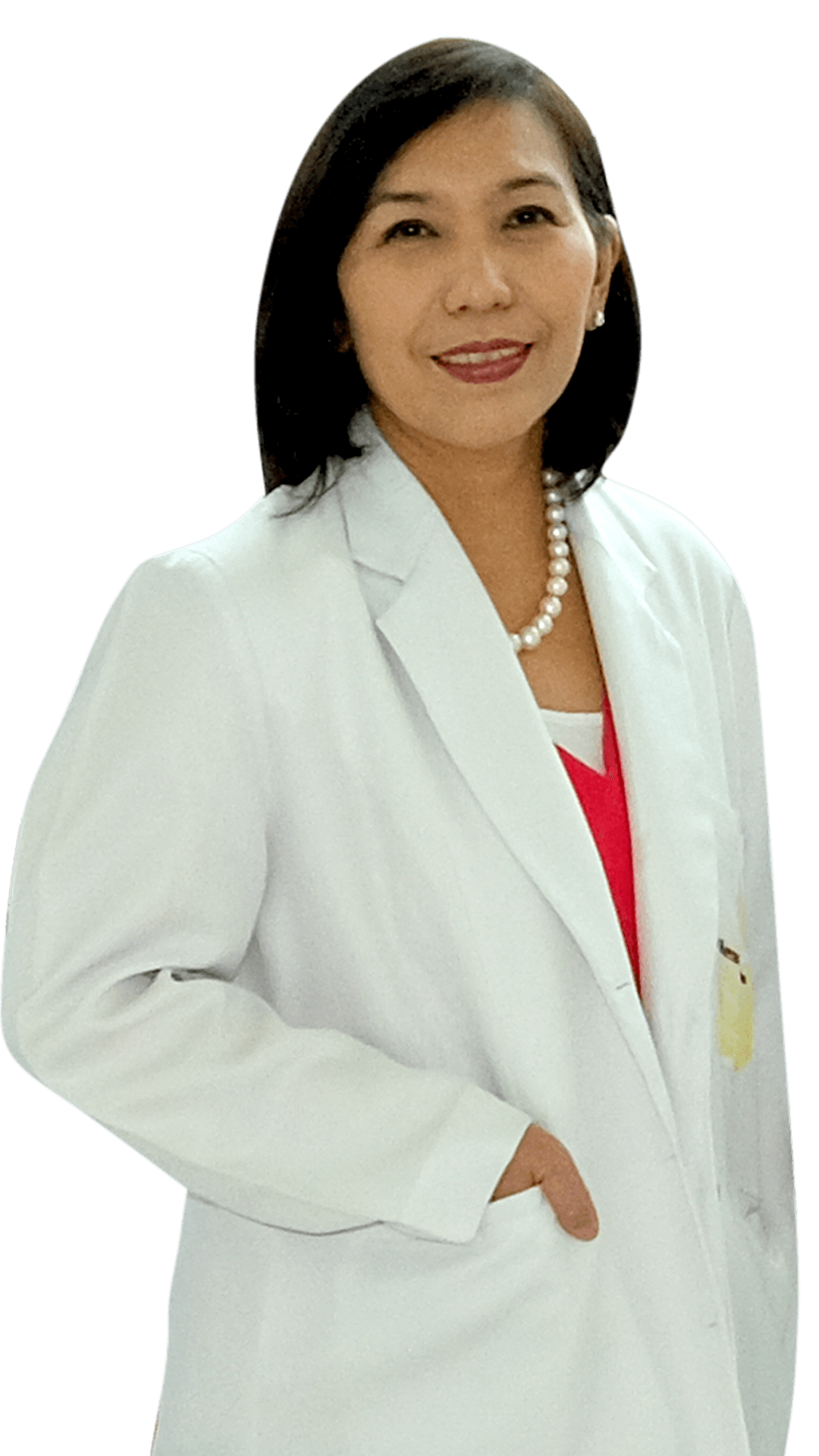
Dr. Lenora Fernandez.png

Being “breathless,” in a figurative sense, may connote positive emotions like anticipating something beautiful or awesome. But used literally, it’s not something any of us would want to experience. However, for some, their lung conditions make it difficult for them to breathe freely, constantly gasping for breath, each moment leaving them breathless. One of the many diseases that can cause such is Chronic Obstructive Pulmonary Disease (COPD), a group of lung diseases preventing airflow to the lungs and causing breathing problems. Emphysema and chronic bronchitis are among the most common types. 


Our lungs consist of numerous air sacs responsible for transporting oxygen inside the body and expelling carbon dioxide. When someone has emphysema, the walls between these are damaged, causing them to lose shape and preventing them from stretching, which is needed for a seamless flow of air in and out of the body. As a result, breathing becomes difficult. Meanwhile, when bronchial tubes, the airways carrying air to and from the air sacs of the lungs, are inflamed and irritated, one may be diagnosed with chronic bronchitis. Build-up of mucus can be observed due to the irritation, making it even harder to allow flow of oxygen into the lungs and expelling carbon dioxide. 


Usual sufferers of these conditions are long-time smokers, but those who are constantly exposed to secondhand smoke, pollution, and chemical fumes can also fall victim to the disease. Those with COPD often find it difficult to do activities that used to be easy for them like walking. Because of lack of oxygen in the body, it can also be difficult for them to concentrate, remember, or make decisions. They are also predisposed to other diseases such as asthma, heart disease, diabetes, and mental health conditions like depression.


COPD, unfortunately, cannot be cured. It’s a chronic, lifetime condition. But incurability does not mean it cannot be managed and treated. There are ways to make sure that every patient is able to breathe better, reduce other symptoms, and manage any other complications. 


At the Asian Institute of Respirology of the Asian Hospital and Medical Center, we offer a modernized approach to pulmonary rehabilitation. We acknowledge the uniqueness of every patient so we implement an individualized approach to care for an optimal outcome. Our expert pulmonologists, physical therapists, psychologists, and nutritionists work together for a treatment plan that can aid COPD patients not only to breathe better but to reclaim life. A patient, for instance, can have supervised exercises that can gradually build up lung function. Alongside this, they will be provided with support and education that can aid in managing symptoms and improving lifestyle. 


If you or your loved one is suffering from COPD, don’t hesitate to get in touch with us via AHMC hotline 8771-9000 or email [email protected]. Allow us to help you breathe better to enjoy more of what life has to offer.


Related Tags

Lifestyle Health and Wellbeing
ADVERTISEMENT
.most-popular .layout-ratio{ padding-bottom: 79.13%; } @media (min-width: 768px) and (max-width: 1024px) { .widget-title { font-size: 15px !important; } }

{{ articles_filter_1561_widget.title }}

.most-popular .layout-ratio{ padding-bottom: 79.13%; } @media (min-width: 768px) and (max-width: 1024px) { .widget-title { font-size: 15px !important; } }

{{ articles_filter_1562_widget.title }}

.most-popular .layout-ratio{ padding-bottom: 79.13%; } @media (min-width: 768px) and (max-width: 1024px) { .widget-title { font-size: 15px !important; } }

{{ articles_filter_1563_widget.title }}

{{ articles_filter_1564_widget.title }}

.mb-article-details { position: relative; } .mb-article-details .article-body-preview, .mb-article-details .article-body-summary{ font-size: 17px; line-height: 30px; font-family: "Libre Caslon Text", serif; color: #000; } .mb-article-details .article-body-preview iframe , .mb-article-details .article-body-summary iframe{ width: 100%; margin: auto; } .read-more-background { background: linear-gradient(180deg, color(display-p3 1.000 1.000 1.000 / 0) 13.75%, color(display-p3 1.000 1.000 1.000 / 0.8) 30.79%, color(display-p3 1.000 1.000 1.000) 72.5%); position: absolute; height: 200px; width: 100%; bottom: 0; display: flex; justify-content: center; align-items: center; padding: 0; } .read-more-background a{ color: #000; } .read-more-btn { padding: 17px 45px; font-family: Inter; font-weight: 700; font-size: 18px; line-height: 16px; text-align: center; vertical-align: middle; border: 1px solid black; background-color: white; } .hidden { display: none; }
function initializeAllSwipers() { // Get all hidden inputs with cms_article_id document.querySelectorAll('[id^="cms_article_id_"]').forEach(function (input) { const cmsArticleId = input.value; const articleSelector = '#article-' + cmsArticleId + ' .body_images'; const swiperElement = document.querySelector(articleSelector); if (swiperElement && !swiperElement.classList.contains('swiper-initialized')) { new Swiper(articleSelector, { loop: true, pagination: false, navigation: { nextEl: '#article-' + cmsArticleId + ' .swiper-button-next', prevEl: '#article-' + cmsArticleId + ' .swiper-button-prev', }, }); } }); } setTimeout(initializeAllSwipers, 3000); const intersectionObserver = new IntersectionObserver( (entries) => { entries.forEach((entry) => { if (entry.isIntersecting) { const newUrl = entry.target.getAttribute("data-url"); if (newUrl) { history.pushState(null, null, newUrl); let article = entry.target; // Extract metadata const author = article.querySelector('.author-section').textContent.replace('By', '').trim(); const section = article.querySelector('.section-info ').textContent.replace(' ', ' '); const title = article.querySelector('.article-title h1').textContent; // Parse URL for Chartbeat path format const parsedUrl = new URL(newUrl, window.location.origin); const cleanUrl = parsedUrl.host + parsedUrl.pathname; // Update Chartbeat configuration if (typeof window._sf_async_config !== 'undefined') { window._sf_async_config.path = cleanUrl; window._sf_async_config.sections = section; window._sf_async_config.authors = author; } // Track virtual page view with Chartbeat if (typeof pSUPERFLY !== 'undefined' && typeof pSUPERFLY.virtualPage === 'function') { try { pSUPERFLY.virtualPage({ path: cleanUrl, title: title, sections: section, authors: author }); } catch (error) { console.error('ping error', error); } } // Optional: Update document title if (title && title !== document.title) { document.title = title; } } } }); }, { threshold: 0.1 } ); function showArticleBody(button) { const article = button.closest("article"); const summary = article.querySelector(".article-body-summary"); const body = article.querySelector(".article-body-preview"); const readMoreSection = article.querySelector(".read-more-background"); // Hide summary and read-more section summary.style.display = "none"; readMoreSection.style.display = "none"; // Show the full article body body.classList.remove("hidden"); } document.addEventListener("DOMContentLoaded", () => { let loadCount = 0; // Track how many times articles are loaded const offset = [1, 2, 3, 4, 5, 6, 7, 8, 9, 10]; // Offset values const currentUrl = window.location.pathname.substring(1); let isLoading = false; // Prevent multiple calls if (!currentUrl) { console.log("Current URL is invalid."); return; } const sentinel = document.getElementById("load-more-sentinel"); if (!sentinel) { console.log("Sentinel element not found."); return; } function isSentinelVisible() { const rect = sentinel.getBoundingClientRect(); return ( rect.top < window.innerHeight && rect.bottom >= 0 ); } function onScroll() { if (isLoading) return; if (isSentinelVisible()) { if (loadCount >= offset.length) { console.log("Maximum load attempts reached."); window.removeEventListener("scroll", onScroll); return; } isLoading = true; const currentOffset = offset[loadCount]; window.loadMoreItems().then(() => { let article = document.querySelector('#widget_1690 > div:nth-last-of-type(2) article'); intersectionObserver.observe(article) loadCount++; }).catch(error => { console.error("Error loading more items:", error); }).finally(() => { isLoading = false; }); } } window.addEventListener("scroll", onScroll); });

Sign up by email to receive news.