

ADVERTISEMENT

The healing touch of Tuina

Tuina and its proven health benefits

Published Jan 23, 2024 02:31 am

In the bustling streets of Manila, the ancient art of healing known as Tuina is carving a niche within the realm of integrative medicine. Originating from traditional Chinese medicine (TCM), Tuina—meaning "push and grasp"—is more than a simple massage, it's a therapeutic form of bodywork that has been practiced for over 2,000 years. With numerous health benefits, Tuina has become a beacon of holistic health and wellness.
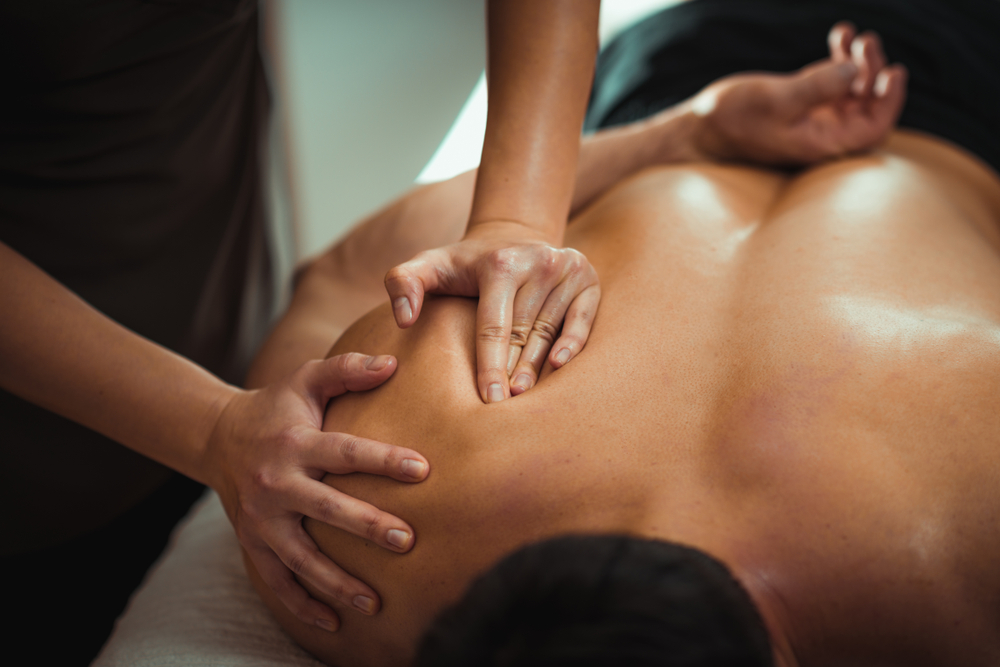
shutterstock_1190095987.jpg
Tuina emerges as a potent modality in our therapeutic arsenal. 

Tuina manipulates the body's soft tissues and applies pressure on acupuncture points and meridians—the pathways through which life energy, or Qi—flows. The technique engages methods akin to kneading, rolling, and rubbing, aiming not just to relax the muscles but to restore balance to the body's energy system.
The efficacy of Tuina is no longer just anecdotal. Studies are increasingly supporting its health benefits with empirical evidence:

  1. Pain relief: Research has shown that Tuina can alleviate various types of pain, including chronic neck and lower back pain. This is primarily attributed to its ability to increase circulation, reduce inflammation, and relieve muscular tension.
  2. Stress reduction: A session of Tuina can induce a state of deep relaxation. It reduces cortisol levels—the stress hormone—and boosts endorphin secretion, promoting a sense of well-being.
  3. Enhanced circulation: By promoting blood flow, Tuina aids in nourishing tissues and facilitating the removal of waste products, thus accelerating healing processes.
  4. Improved sleep: Tuina's ability to harmonize the yin and yang—the fundamental energies in the body—help regulate sleep patterns, benefiting those with insomnia.
  5. Digestive health: Techniques that target the abdomen can enhance digestive functions by stimulating peristalsis and alleviating conditions like constipation.
  6. Boosts immunity: By stimulating lymph flow, Tuina can strengthen the immune system, helping the body to naturally combat pathogens.
  7. Emotional balance: Tuina can have a balancing effect on emotions by addressing the energetic aspect of organs responsible for specific emotions, as understood in TCM.

In the field of integrative medicine, Tuina is valued for its ability to complement Western medical treatments. Rather than replacing conventional care, it provides a parallel route to healing, one that acknowledges the body's capacity for self-regulation and innate healing.

While embracing Tuina, it's crucial to consult with qualified professionals who are well-versed in TCM principles. It's also important to work in conjunction with your healthcare provider, especially if you're addressing specific medical conditions.

As we witness a global shift towards preventative and holistic health strategies, Tuina emerges as a potent modality in our therapeutic arsenal. By blurring the lines between bodywork and energy work, this venerable technique offers a pathway to a balanced, healthier life, resonating with the natural rhythms of our very existence.

And so, in the heart of Manila, amidst the modern hustle, the age-old wisdom of Tuina beckons—a reminder that sometimes, the path to healing lies in the power of a healing touch.

Related Tags

wellbeing Tuina
ADVERTISEMENT
.most-popular .layout-ratio{ padding-bottom: 79.13%; } @media (min-width: 768px) and (max-width: 1024px) { .widget-title { font-size: 15px !important; } }

{{ articles_filter_1561_widget.title }}

.most-popular .layout-ratio{ padding-bottom: 79.13%; } @media (min-width: 768px) and (max-width: 1024px) { .widget-title { font-size: 15px !important; } }

{{ articles_filter_1562_widget.title }}

.most-popular .layout-ratio{ padding-bottom: 79.13%; } @media (min-width: 768px) and (max-width: 1024px) { .widget-title { font-size: 15px !important; } }

{{ articles_filter_1563_widget.title }}

{{ articles_filter_1564_widget.title }}

.mb-article-details { position: relative; } .mb-article-details .article-body-preview, .mb-article-details .article-body-summary{ font-size: 17px; line-height: 30px; font-family: "Libre Caslon Text", serif; color: #000; } .mb-article-details .article-body-preview iframe , .mb-article-details .article-body-summary iframe{ width: 100%; margin: auto; } .read-more-background { background: linear-gradient(180deg, color(display-p3 1.000 1.000 1.000 / 0) 13.75%, color(display-p3 1.000 1.000 1.000 / 0.8) 30.79%, color(display-p3 1.000 1.000 1.000) 72.5%); position: absolute; height: 200px; width: 100%; bottom: 0; display: flex; justify-content: center; align-items: center; padding: 0; } .read-more-background a{ color: #000; } .read-more-btn { padding: 17px 45px; font-family: Inter; font-weight: 700; font-size: 18px; line-height: 16px; text-align: center; vertical-align: middle; border: 1px solid black; background-color: white; } .hidden { display: none; }
function initializeAllSwipers() { // Get all hidden inputs with cms_article_id document.querySelectorAll('[id^="cms_article_id_"]').forEach(function (input) { const cmsArticleId = input.value; const articleSelector = '#article-' + cmsArticleId + ' .body_images'; const swiperElement = document.querySelector(articleSelector); if (swiperElement && !swiperElement.classList.contains('swiper-initialized')) { new Swiper(articleSelector, { loop: true, pagination: false, navigation: { nextEl: '#article-' + cmsArticleId + ' .swiper-button-next', prevEl: '#article-' + cmsArticleId + ' .swiper-button-prev', }, }); } }); } setTimeout(initializeAllSwipers, 3000); const intersectionObserver = new IntersectionObserver( (entries) => { entries.forEach((entry) => { if (entry.isIntersecting) { const newUrl = entry.target.getAttribute("data-url"); if (newUrl) { history.pushState(null, null, newUrl); let article = entry.target; // Extract metadata const author = article.querySelector('.author-section').textContent.replace('By', '').trim(); const section = article.querySelector('.section-info ').textContent.replace(' ', ' '); const title = article.querySelector('.article-title h1').textContent; // Parse URL for Chartbeat path format const parsedUrl = new URL(newUrl, window.location.origin); const cleanUrl = parsedUrl.host + parsedUrl.pathname; // Update Chartbeat configuration if (typeof window._sf_async_config !== 'undefined') { window._sf_async_config.path = cleanUrl; window._sf_async_config.sections = section; window._sf_async_config.authors = author; } // Track virtual page view with Chartbeat if (typeof pSUPERFLY !== 'undefined' && typeof pSUPERFLY.virtualPage === 'function') { try { pSUPERFLY.virtualPage({ path: cleanUrl, title: title, sections: section, authors: author }); } catch (error) { console.error('ping error', error); } } // Optional: Update document title if (title && title !== document.title) { document.title = title; } } } }); }, { threshold: 0.1 } ); function showArticleBody(button) { const article = button.closest("article"); const summary = article.querySelector(".article-body-summary"); const body = article.querySelector(".article-body-preview"); const readMoreSection = article.querySelector(".read-more-background"); // Hide summary and read-more section summary.style.display = "none"; readMoreSection.style.display = "none"; // Show the full article body body.classList.remove("hidden"); } document.addEventListener("DOMContentLoaded", () => { let loadCount = 0; // Track how many times articles are loaded const offset = [1, 2, 3, 4, 5, 6, 7, 8, 9, 10]; // Offset values const currentUrl = window.location.pathname.substring(1); let isLoading = false; // Prevent multiple calls if (!currentUrl) { console.log("Current URL is invalid."); return; } const sentinel = document.getElementById("load-more-sentinel"); if (!sentinel) { console.log("Sentinel element not found."); return; } function isSentinelVisible() { const rect = sentinel.getBoundingClientRect(); return ( rect.top < window.innerHeight && rect.bottom >= 0 ); } function onScroll() { if (isLoading) return; if (isSentinelVisible()) { if (loadCount >= offset.length) { console.log("Maximum load attempts reached."); window.removeEventListener("scroll", onScroll); return; } isLoading = true; const currentOffset = offset[loadCount]; window.loadMoreItems().then(() => { let article = document.querySelector('#widget_1690 > div:nth-last-of-type(2) article'); intersectionObserver.observe(article) loadCount++; }).catch(error => { console.error("Error loading more items:", error); }).finally(() => { isLoading = false; }); } } window.addEventListener("scroll", onScroll); });

Sign up by email to receive news.