

ADVERTISEMENT

No stopping for stop motion

How the slow-paced medium continues to move forward

Published Jan 17, 2025 02:00 pm

At A Glance

  • As long as you're telling good stories, compelling stories with compelling characters, then it's just the technique really. —Nick Park
WG.jpg
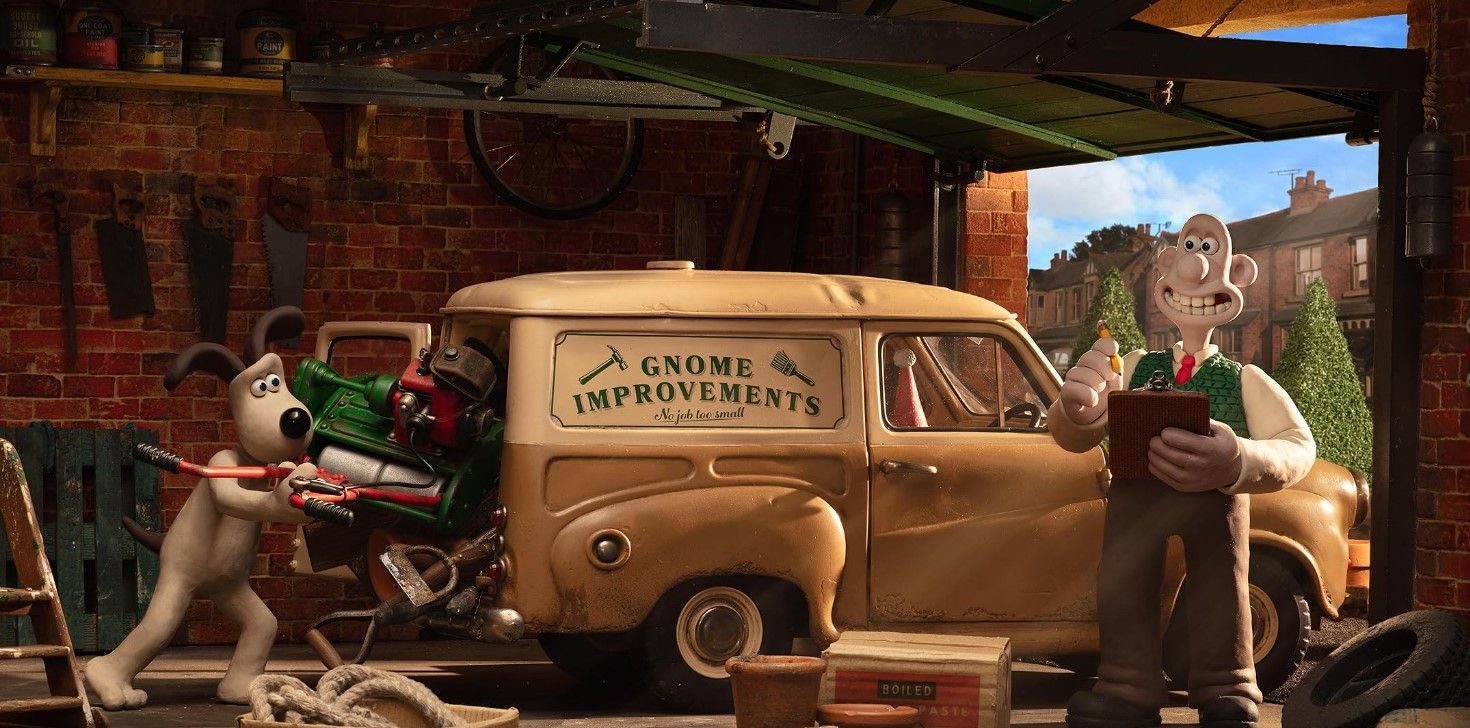
TONS OF CLAY Aardman Animations reportedly bought over 400kg of clay from its supplier after news of the clay company's plans to close up shop went out

There was a recent panic that Aardman Animation’s days were numbered as the original provider of its clay for the company stop motion films announced their retirement. News sites were quick to point out there was only enough supply for one last Wallace and Gromit film. Another prominent stop motion figure, Studio Laika, faced a similar uncertain fate in 2019 after the lackluster release of Missing Link led to losses estimated up to $75 million.

For a while, it felt as if stop motion animation would reach its end as more unsuccessful releases and the Covid-19 pandemic caused great losses for the medium. After the recent success of Wallace and Gromit: Vengeance Most Fowl, the art form has only propelled itself forward to newer heights.
MV5BMTE2NzE1Y2ItYmMyMS00ZmNhLWE5ZWItOTk4N2RiNmY2NDQ1XkEyXkFqcGdeQVRoaXJkUGFydHlJbmdlc3Rpb25Xb3JrZmxvdw@@._V1_.jpg
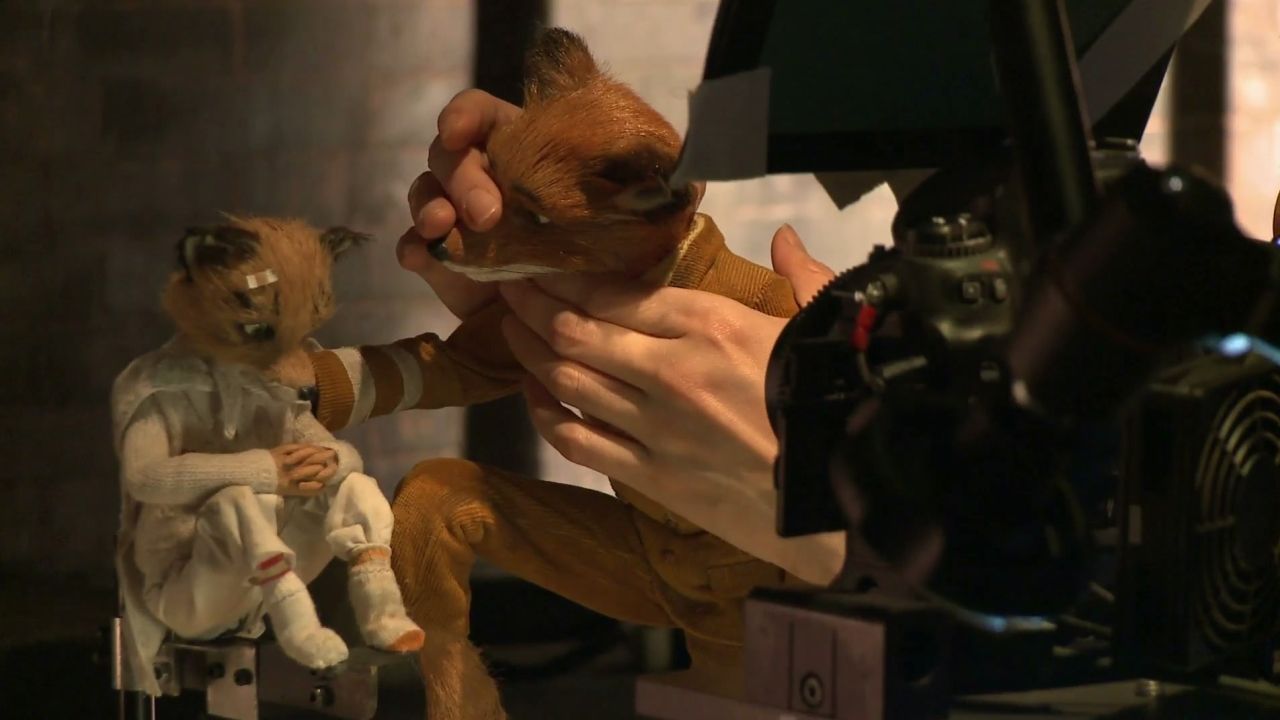
A LONG PROCESS Wes Anderson's Fantastic Mr. Fox took over four years to finish as it took a whole week to film over 90 seconds of footage

Stop motion animation has always been an underdog in the animation medium. There are no shortcuts as each individual frame is painstakingly mapped out, sculpted, and shot by the camera. Simple factors like the temperature in your work environment or the sweat from your palms can affect the final product. Though there have been numerous technological advancements, it still requires a lot of time and effort to effectively pull off making a stop motion film. Even the most underperforming stop motion flicks contain an undeniable charm that comes with the arduous process of bringing it to life. If you can’t at least appreciate the plot, you’ll find value in the visuals and the story of how animators worked hard to give movement to the inanimate objects.

thumb_E5547CDB-D437-4B0C-91E8-740D0580B789.jpg
RESPECT FOR THE UNDERDOG Guillermo del Toro's Pinocchio is the second stop motion film to win the Academy Award for Best Animated Film in 2022

Nick Park, the driving force behind Wallace and Gromit plus Shaun the Sheep continues to share his high hopes for stop motion animation. In his recent interview with Inverse, Park points out how not even the rise of CGI and AI has deterred artists by stating, “As long as you’re telling good stories, compelling stories with compelling characters, then it’s just the technique really.”

With the outpour of love for Wallace and Gromit’s latest hijinks, more excitement can be felt for future stop motion animation projects like Studio Laika’s Wildwood, Netflix’s My Melody and Kuromi, and Guillermo del Toro’s The Buried Giant, to name a few.
9eaf2ec164c86c9af03291ed5586e967.gif

Here’s hoping that this continued love for stop motion can continue keeping the format alive.

Related Tags

Lifestyle Nick Park Poch Eulalia Netflix Guillermo del Toro Studio LAIKA Wallace and Gromit Arts and Culture
ADVERTISEMENT
.most-popular .layout-ratio{ padding-bottom: 79.13%; } @media (min-width: 768px) and (max-width: 1024px) { .widget-title { font-size: 15px !important; } }

{{ articles_filter_1561_widget.title }}

.most-popular .layout-ratio{ padding-bottom: 79.13%; } @media (min-width: 768px) and (max-width: 1024px) { .widget-title { font-size: 15px !important; } }

{{ articles_filter_1562_widget.title }}

.most-popular .layout-ratio{ padding-bottom: 79.13%; } @media (min-width: 768px) and (max-width: 1024px) { .widget-title { font-size: 15px !important; } }

{{ articles_filter_1563_widget.title }}

{{ articles_filter_1564_widget.title }}

.mb-article-details { position: relative; } .mb-article-details .article-body-preview, .mb-article-details .article-body-summary{ font-size: 17px; line-height: 30px; font-family: "Libre Caslon Text", serif; color: #000; } .mb-article-details .article-body-preview iframe , .mb-article-details .article-body-summary iframe{ width: 100%; margin: auto; } .read-more-background { background: linear-gradient(180deg, color(display-p3 1.000 1.000 1.000 / 0) 13.75%, color(display-p3 1.000 1.000 1.000 / 0.8) 30.79%, color(display-p3 1.000 1.000 1.000) 72.5%); position: absolute; height: 200px; width: 100%; bottom: 0; display: flex; justify-content: center; align-items: center; padding: 0; } .read-more-background a{ color: #000; } .read-more-btn { padding: 17px 45px; font-family: Inter; font-weight: 700; font-size: 18px; line-height: 16px; text-align: center; vertical-align: middle; border: 1px solid black; background-color: white; } .hidden { display: none; }
function initializeAllSwipers() { // Get all hidden inputs with cms_article_id document.querySelectorAll('[id^="cms_article_id_"]').forEach(function (input) { const cmsArticleId = input.value; const articleSelector = '#article-' + cmsArticleId + ' .body_images'; const swiperElement = document.querySelector(articleSelector); if (swiperElement && !swiperElement.classList.contains('swiper-initialized')) { new Swiper(articleSelector, { loop: true, pagination: false, navigation: { nextEl: '#article-' + cmsArticleId + ' .swiper-button-next', prevEl: '#article-' + cmsArticleId + ' .swiper-button-prev', }, }); } }); } setTimeout(initializeAllSwipers, 3000); const intersectionObserver = new IntersectionObserver( (entries) => { entries.forEach((entry) => { if (entry.isIntersecting) { const newUrl = entry.target.getAttribute("data-url"); if (newUrl) { history.pushState(null, null, newUrl); let article = entry.target; // Extract metadata const author = article.querySelector('.author-section').textContent.replace('By', '').trim(); const section = article.querySelector('.section-info ').textContent.replace(' ', ' '); const title = article.querySelector('.article-title h1').textContent; // Parse URL for Chartbeat path format const parsedUrl = new URL(newUrl, window.location.origin); const cleanUrl = parsedUrl.host + parsedUrl.pathname; // Update Chartbeat configuration if (typeof window._sf_async_config !== 'undefined') { window._sf_async_config.path = cleanUrl; window._sf_async_config.sections = section; window._sf_async_config.authors = author; } // Track virtual page view with Chartbeat if (typeof pSUPERFLY !== 'undefined' && typeof pSUPERFLY.virtualPage === 'function') { try { pSUPERFLY.virtualPage({ path: cleanUrl, title: title, sections: section, authors: author }); } catch (error) { console.error('ping error', error); } } // Optional: Update document title if (title && title !== document.title) { document.title = title; } } } }); }, { threshold: 0.1 } ); function showArticleBody(button) { const article = button.closest("article"); const summary = article.querySelector(".article-body-summary"); const body = article.querySelector(".article-body-preview"); const readMoreSection = article.querySelector(".read-more-background"); // Hide summary and read-more section summary.style.display = "none"; readMoreSection.style.display = "none"; // Show the full article body body.classList.remove("hidden"); } document.addEventListener("DOMContentLoaded", () => { let loadCount = 0; // Track how many times articles are loaded const offset = [1, 2, 3, 4, 5, 6, 7, 8, 9, 10]; // Offset values const currentUrl = window.location.pathname.substring(1); let isLoading = false; // Prevent multiple calls if (!currentUrl) { console.log("Current URL is invalid."); return; } const sentinel = document.getElementById("load-more-sentinel"); if (!sentinel) { console.log("Sentinel element not found."); return; } function isSentinelVisible() { const rect = sentinel.getBoundingClientRect(); return ( rect.top < window.innerHeight && rect.bottom >= 0 ); } function onScroll() { if (isLoading) return; if (isSentinelVisible()) { if (loadCount >= offset.length) { console.log("Maximum load attempts reached."); window.removeEventListener("scroll", onScroll); return; } isLoading = true; const currentOffset = offset[loadCount]; window.loadMoreItems().then(() => { let article = document.querySelector('#widget_1690 > div:nth-last-of-type(2) article'); intersectionObserver.observe(article) loadCount++; }).catch(error => { console.error("Error loading more items:", error); }).finally(() => { isLoading = false; }); } } window.addEventListener("scroll", onScroll); });

Sign up by email to receive news.