

ADVERTISEMENT

Should DepEd halt the implementation of Catch-Up Fridays?

Group decries additional 'burden' of the program on teachers

Published Mar 4, 2024 01:39 pm

At A Glance

  • Noting that intervention programs should be "tailored to individual learners' needs," a group urged DepEd to halt the implementation of its Catch-Up Fridays Program.<br><br>Catch-Up Fridays is a "learning mechanism intended to strengthen foundational, social, and other relevant skills necessary to realize the objectives of the basic education curriculum."
  • For a "fair and effective" learning recovery program, DepEd was urged to consider the participation of teachers in crafting any learning intervention. 

Citing the additional burden on teachers, a group of education workers on Monday, March 4, urged the Department of Education (DepEd) to halt the implementation of its Catch-Up Fridays Program.
07212020_GERONIMO_ROMERO-1024x683.jpg
(Manila Bulletin file photo) 

“Catch-Up Fridays should be halted, and consultations should precede any further action,” emphasized the Alliance of Concerned Teachers (ACT).

The group pointed out that “intervention programs should be tailored to individual learners' needs,” highlighting the challenges in implementing DepEd's latest learning recovery initiative, which started in January this year.

Catch-Up Fridays, as per DepEd, is a “learning mechanism intended to strengthen foundational, social, and other relevant skills necessary to realize the objectives of the basic education curriculum.”

READ:

https://mb.com.ph/2024/1/13/what-is-catch-up-fridays

‘Superficial solution’

For ACT, Catch-Up Fridays are merely a “superficial solution to the deepening learning crisis” in the country.

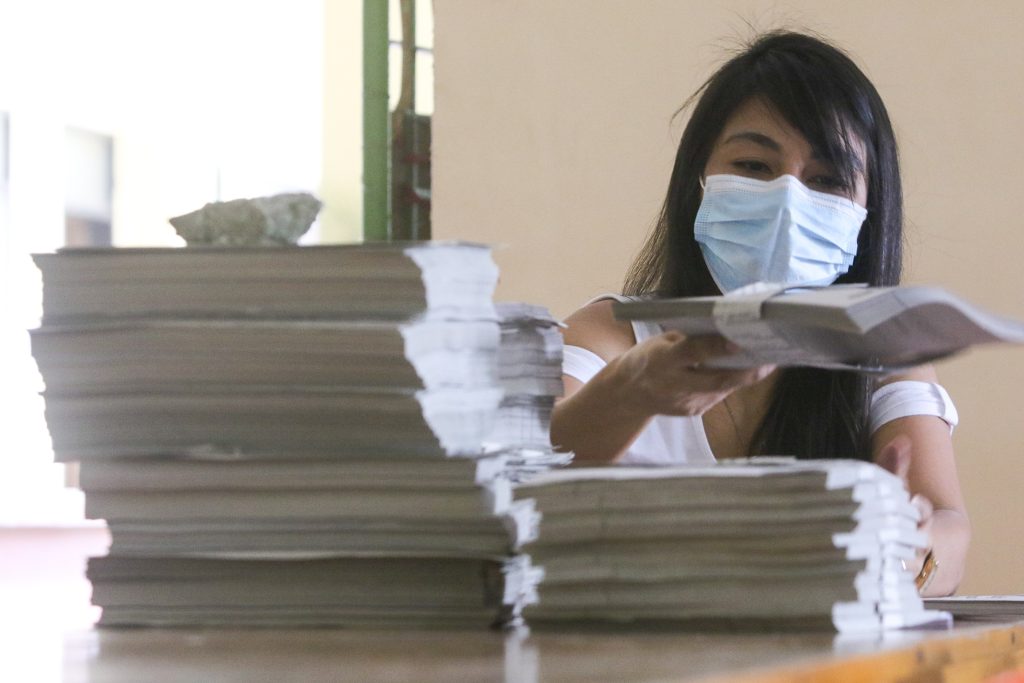
The group highlighted this, noting that teachers in public schools are “burdened” with additional tasks of providing learning materials for the program.

ACT underscored that while it upholds the no-collection policy in schools, it is “unjust for teachers to bear the financial burden” of DepEd's program.

“After a month of implementing Catch-Up Fridays, it is the teachers who bear the brunt of additional workload in preparation and implementation,” ACT said.

“Due to the lack or insufficiency of books or materials, teachers are forced to spend money on photocopying reading materials,” the group added.

‘Unprepared’ teachers

ACT pointed out that DepEd “abruptly” issued the memorandum for Catch-Up Fridays, “leaving no room for teachers to prepare themselves.”

READ:

https://mb.com.ph/2024/1/15/taranta-ang-inabot-group-slams-dep-ed-s-abrupt-order-on-catch-up-fridays

“This decision was made without democratic and extensive consultation with teachers and stakeholders,” ACT said.

The group pointed out that consequently, teachers had to “procure books and photocopy reading materials from their own pockets.”

As a result, instead of regular classes during this time and preparing for upcoming exams, schools were transformed into “Reading Hubs” every Friday, with teachers solely focused on reading activities.

“Regular classes were suspended,” the group noted.

ACT also observed that the “absence” of guidelines leaves room for interpretation, resulting in a variety of activities deemed as “Ready Activities.”

Citing reports, ACT stated that there is an “increase in student absenteeism and tardiness” on Fridays, posing challenges for teachers in achieving the objectives of the program.

ACT also noted that the focus of Catch-Up Fridays seemingly duplicates the existing curriculum.

As per DepEd, mornings are allocated for reading while afternoons are dedicated to values education, health education, peace education, and homeroom guidance programs.

READ:

https://mb.com.ph/2024/1/11/more-than-reading-dep-ed-says-catch-up-fridays-to-cover-values-peace-education

Given this, ACT stressed that the participation of teachers should be considered in crafting any learning intervention and should not be limited to the issuance of directives by the DepEd Central Office to ensure a “fair and effective learning recovery program.”

Addressing shortages

For ACT, the DepEd and the government should focus on assessing the learning crisis and catch up on addressing shortages in education.

The group stressed that addressing shortages in schools, particularly in books and teaching materials, reducing the class sizes by employing more teachers, constructing sufficient classrooms that are conducive to learning, and hiring the actual needed education support personnel to truly relieve teachers from other tasks and functions are the “urgent things” that the DepEd and the national government must fulfill to “address the root cause of the learning crisis.” 

RELATED STORY: 

https://mb.com.ph/2024/3/2/dep-ed-s-catch-up-fridays-not-optimal-for-learning-recovery

Related Tags

learning recovery Catch-Up Fridays Department of education (DepEd) DepEd learning crisis
ADVERTISEMENT
.most-popular .layout-ratio{ padding-bottom: 79.13%; } @media (min-width: 768px) and (max-width: 1024px) { .widget-title { font-size: 15px !important; } }

{{ articles_filter_1561_widget.title }}

.most-popular .layout-ratio{ padding-bottom: 79.13%; } @media (min-width: 768px) and (max-width: 1024px) { .widget-title { font-size: 15px !important; } }

{{ articles_filter_1562_widget.title }}

.most-popular .layout-ratio{ padding-bottom: 79.13%; } @media (min-width: 768px) and (max-width: 1024px) { .widget-title { font-size: 15px !important; } }

{{ articles_filter_1563_widget.title }}

{{ articles_filter_1564_widget.title }}

.mb-article-details { position: relative; } .mb-article-details .article-body-preview, .mb-article-details .article-body-summary{ font-size: 17px; line-height: 30px; font-family: "Libre Caslon Text", serif; color: #000; } .mb-article-details .article-body-preview iframe , .mb-article-details .article-body-summary iframe{ width: 100%; margin: auto; } .read-more-background { background: linear-gradient(180deg, color(display-p3 1.000 1.000 1.000 / 0) 13.75%, color(display-p3 1.000 1.000 1.000 / 0.8) 30.79%, color(display-p3 1.000 1.000 1.000) 72.5%); position: absolute; height: 200px; width: 100%; bottom: 0; display: flex; justify-content: center; align-items: center; padding: 0; } .read-more-background a{ color: #000; } .read-more-btn { padding: 17px 45px; font-family: Inter; font-weight: 700; font-size: 18px; line-height: 16px; text-align: center; vertical-align: middle; border: 1px solid black; background-color: white; } .hidden { display: none; }
function initializeAllSwipers() { // Get all hidden inputs with cms_article_id document.querySelectorAll('[id^="cms_article_id_"]').forEach(function (input) { const cmsArticleId = input.value; const articleSelector = '#article-' + cmsArticleId + ' .body_images'; const swiperElement = document.querySelector(articleSelector); if (swiperElement && !swiperElement.classList.contains('swiper-initialized')) { new Swiper(articleSelector, { loop: true, pagination: false, navigation: { nextEl: '#article-' + cmsArticleId + ' .swiper-button-next', prevEl: '#article-' + cmsArticleId + ' .swiper-button-prev', }, }); } }); } setTimeout(initializeAllSwipers, 3000); const intersectionObserver = new IntersectionObserver( (entries) => { entries.forEach((entry) => { if (entry.isIntersecting) { const newUrl = entry.target.getAttribute("data-url"); if (newUrl) { history.pushState(null, null, newUrl); let article = entry.target; // Extract metadata const author = article.querySelector('.author-section').textContent.replace('By', '').trim(); const section = article.querySelector('.section-info ').textContent.replace(' ', ' '); const title = article.querySelector('.article-title h1').textContent; // Parse URL for Chartbeat path format const parsedUrl = new URL(newUrl, window.location.origin); const cleanUrl = parsedUrl.host + parsedUrl.pathname; // Update Chartbeat configuration if (typeof window._sf_async_config !== 'undefined') { window._sf_async_config.path = cleanUrl; window._sf_async_config.sections = section; window._sf_async_config.authors = author; } // Track virtual page view with Chartbeat if (typeof pSUPERFLY !== 'undefined' && typeof pSUPERFLY.virtualPage === 'function') { try { pSUPERFLY.virtualPage({ path: cleanUrl, title: title, sections: section, authors: author }); } catch (error) { console.error('ping error', error); } } // Optional: Update document title if (title && title !== document.title) { document.title = title; } } } }); }, { threshold: 0.1 } ); function showArticleBody(button) { const article = button.closest("article"); const summary = article.querySelector(".article-body-summary"); const body = article.querySelector(".article-body-preview"); const readMoreSection = article.querySelector(".read-more-background"); // Hide summary and read-more section summary.style.display = "none"; readMoreSection.style.display = "none"; // Show the full article body body.classList.remove("hidden"); } document.addEventListener("DOMContentLoaded", () => { let loadCount = 0; // Track how many times articles are loaded const offset = [1, 2, 3, 4, 5, 6, 7, 8, 9, 10]; // Offset values const currentUrl = window.location.pathname.substring(1); let isLoading = false; // Prevent multiple calls if (!currentUrl) { console.log("Current URL is invalid."); return; } const sentinel = document.getElementById("load-more-sentinel"); if (!sentinel) { console.log("Sentinel element not found."); return; } function isSentinelVisible() { const rect = sentinel.getBoundingClientRect(); return ( rect.top < window.innerHeight && rect.bottom >= 0 ); } function onScroll() { if (isLoading) return; if (isSentinelVisible()) { if (loadCount >= offset.length) { console.log("Maximum load attempts reached."); window.removeEventListener("scroll", onScroll); return; } isLoading = true; const currentOffset = offset[loadCount]; window.loadMoreItems().then(() => { let article = document.querySelector('#widget_1690 > div:nth-last-of-type(2) article'); intersectionObserver.observe(article) loadCount++; }).catch(error => { console.error("Error loading more items:", error); }).finally(() => { isLoading = false; }); } } window.addEventListener("scroll", onScroll); });

Sign up by email to receive news.