ADVERTISEMENT

Bridging the digital divide through linguistic diversity

Published Oct 29, 2024 04:11 pm

NIGHT OWL

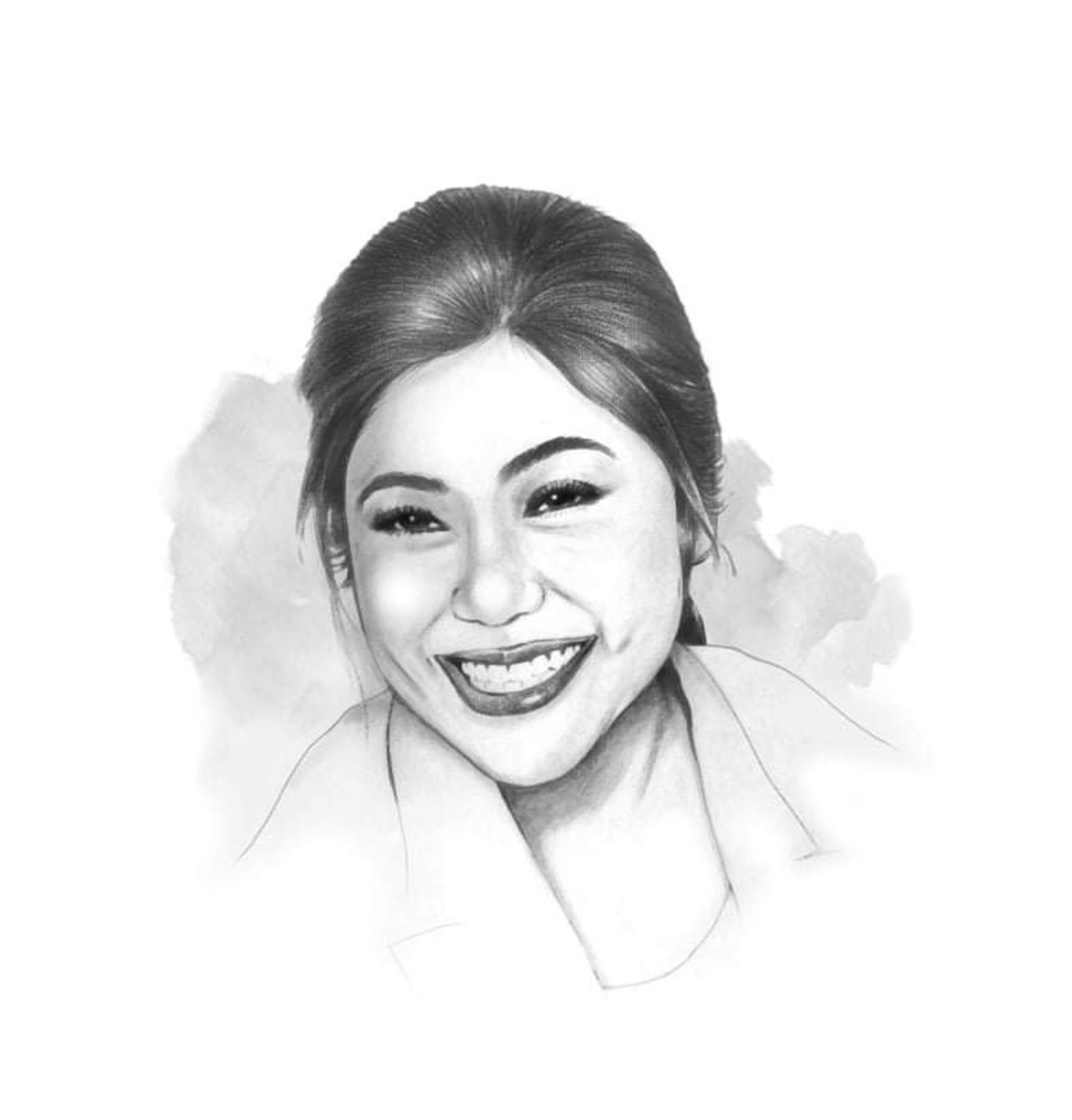
Anna Mae Lamentillo.jpg


As an MSc Major Programme Management student at the Saïd Business School, University of Oxford, my research will focus on one of the most pressing challenges in the digital age: bridging the digital divide by enhancing natural language processing (NLP) capabilities for low-resource languages with complex morphologies. For billions of people, access to digital tools in their native languages remains limited or nonexistent. This gap perpetuates social and economic disparities, and limits access to essential services, especially in regions where languages are rich in complexity but low in digital representation, such as the Philippines and numerous countries across Africa. Through my work, I aim to explore how NLP tailored to these languages can serve as a bridge to digital inclusion and economic opportunity for marginalized communities.


Low-resource languages often have unique characteristics that make standard NLP models, built for high-resource languages like English and Spanish, ineffective. Languages such as Tagalog, Yoruba, and Twi possess complex morphology, grammar structures, and cultural nuances that typical models fail to capture. This underrepresentation is particularly stark in regions such as Africa and Southeast Asia, where linguistic diversity is vast. Without proper NLP models, speakers of these languages face additional barriers to digital literacy, excluding them from education, healthcare, and civic engagement available through digital channels.


A major part of my research will involve studying how artificial intelligence (AI) can be trained to overcome linguistic and data-related challenges unique to low-resource languages. This focus aligns directly with the mission of my startup, NightOwlGPT, a platform specifically designed to support marginalized languages. NightOwlGPT’s approach, which began in the Philippines with languages like Tagalog and Cebuano and is now expanding to countries in Africa, prioritizes language preservation and accessibility. By engaging with underrepresented languages, NightOwlGPT demonstrates how AI can create meaningful connections between people and digital resources in their native languages, thereby facilitating social and economic growth in underserved communities.


The stakes are high. Low-resource language speakers, including millions across Philippines, Ghana, Kenya, and Nigeria, often rely on oral traditions, which are at risk of being lost in the absence of digital preservation. My research will build on the work of platforms like NightOwlGPT by investigating techniques for collecting and structuring data that accurately represent these languages. For example, African languages often incorporate tonal distinctions that shift meaning based on pitch, while Filipino languages may use affixations that add layers of meaning to root words. Training AI to understand these intricacies will not only provide more accurate NLP tools but also contribute to cultural preservation.


Addressing this issue is about more than technology – it’s about creating an inclusive digital world that serves all languages. By training NLP to understand low-resource languages, we not only bridge a technological gap but also foster digital equity, allowing diverse communities to engage fully in today’s digital landscape. At Saïd Business School, my research will strive to highlight and close this gap, advocating for a digital environment where linguistic diversity is both preserved and celebrated. AI has the potential to be transformative for all communities, and with enhanced NLP tailored to low-resource languages, we can ensure that everyone has a voice in the digital age.

Related Tags

NIGHT OWL Anna Mae Lamentillo
ADVERTISEMENT
.most-popular .layout-ratio{ padding-bottom: 79.13%; } @media (min-width: 768px) and (max-width: 1024px) { .widget-title { font-size: 15px !important; } }

{{ articles_filter_1561_widget.title }}

.most-popular .layout-ratio{ padding-bottom: 79.13%; } @media (min-width: 768px) and (max-width: 1024px) { .widget-title { font-size: 15px !important; } }

{{ articles_filter_1562_widget.title }}

.most-popular .layout-ratio{ padding-bottom: 79.13%; } @media (min-width: 768px) and (max-width: 1024px) { .widget-title { font-size: 15px !important; } }

{{ articles_filter_1563_widget.title }}

{{ articles_filter_1564_widget.title }}

.mb-article-details { position: relative; } .mb-article-details .article-body-preview, .mb-article-details .article-body-summary{ font-size: 17px; line-height: 30px; font-family: "Libre Caslon Text", serif; color: #000; } .mb-article-details .article-body-preview iframe , .mb-article-details .article-body-summary iframe{ width: 100%; margin: auto; } .read-more-background { background: linear-gradient(180deg, color(display-p3 1.000 1.000 1.000 / 0) 13.75%, color(display-p3 1.000 1.000 1.000 / 0.8) 30.79%, color(display-p3 1.000 1.000 1.000) 72.5%); position: absolute; height: 200px; width: 100%; bottom: 0; display: flex; justify-content: center; align-items: center; padding: 0; } .read-more-background a{ color: #000; } .read-more-btn { padding: 17px 45px; font-family: Inter; font-weight: 700; font-size: 18px; line-height: 16px; text-align: center; vertical-align: middle; border: 1px solid black; background-color: white; } .hidden { display: none; }
function initializeAllSwipers() { // Get all hidden inputs with cms_article_id document.querySelectorAll('[id^="cms_article_id_"]').forEach(function (input) { const cmsArticleId = input.value; const articleSelector = '#article-' + cmsArticleId + ' .body_images'; const swiperElement = document.querySelector(articleSelector); if (swiperElement && !swiperElement.classList.contains('swiper-initialized')) { new Swiper(articleSelector, { loop: true, pagination: false, navigation: { nextEl: '#article-' + cmsArticleId + ' .swiper-button-next', prevEl: '#article-' + cmsArticleId + ' .swiper-button-prev', }, }); } }); } setTimeout(initializeAllSwipers, 3000); const intersectionObserver = new IntersectionObserver( (entries) => { entries.forEach((entry) => { if (entry.isIntersecting) { const newUrl = entry.target.getAttribute("data-url"); if (newUrl) { history.pushState(null, null, newUrl); let article = entry.target; // Extract metadata const author = article.querySelector('.author-section').textContent.replace('By', '').trim(); const section = article.querySelector('.section-info ').textContent.replace(' ', ' '); const title = article.querySelector('.article-title h1').textContent; // Parse URL for Chartbeat path format const parsedUrl = new URL(newUrl, window.location.origin); const cleanUrl = parsedUrl.host + parsedUrl.pathname; // Update Chartbeat configuration if (typeof window._sf_async_config !== 'undefined') { window._sf_async_config.path = cleanUrl; window._sf_async_config.sections = section; window._sf_async_config.authors = author; } // Track virtual page view with Chartbeat if (typeof pSUPERFLY !== 'undefined' && typeof pSUPERFLY.virtualPage === 'function') { try { pSUPERFLY.virtualPage({ path: cleanUrl, title: title, sections: section, authors: author }); } catch (error) { console.error('ping error', error); } } // Optional: Update document title if (title && title !== document.title) { document.title = title; } } } }); }, { threshold: 0.1 } ); function showArticleBody(button) { const article = button.closest("article"); const summary = article.querySelector(".article-body-summary"); const body = article.querySelector(".article-body-preview"); const readMoreSection = article.querySelector(".read-more-background"); // Hide summary and read-more section summary.style.display = "none"; readMoreSection.style.display = "none"; // Show the full article body body.classList.remove("hidden"); } document.addEventListener("DOMContentLoaded", () => { let loadCount = 0; // Track how many times articles are loaded const offset = [1, 2, 3, 4, 5, 6, 7, 8, 9, 10]; // Offset values const currentUrl = window.location.pathname.substring(1); let isLoading = false; // Prevent multiple calls if (!currentUrl) { console.log("Current URL is invalid."); return; } const sentinel = document.getElementById("load-more-sentinel"); if (!sentinel) { console.log("Sentinel element not found."); return; } function isSentinelVisible() { const rect = sentinel.getBoundingClientRect(); return ( rect.top < window.innerHeight && rect.bottom >= 0 ); } function onScroll() { if (isLoading) return; if (isSentinelVisible()) { if (loadCount >= offset.length) { console.log("Maximum load attempts reached."); window.removeEventListener("scroll", onScroll); return; } isLoading = true; const currentOffset = offset[loadCount]; window.loadMoreItems().then(() => { let article = document.querySelector('#widget_1690 > div:nth-last-of-type(2) article'); intersectionObserver.observe(article) loadCount++; }).catch(error => { console.error("Error loading more items:", error); }).finally(() => { isLoading = false; }); } } window.addEventListener("scroll", onScroll); });

Sign up by email to receive news.